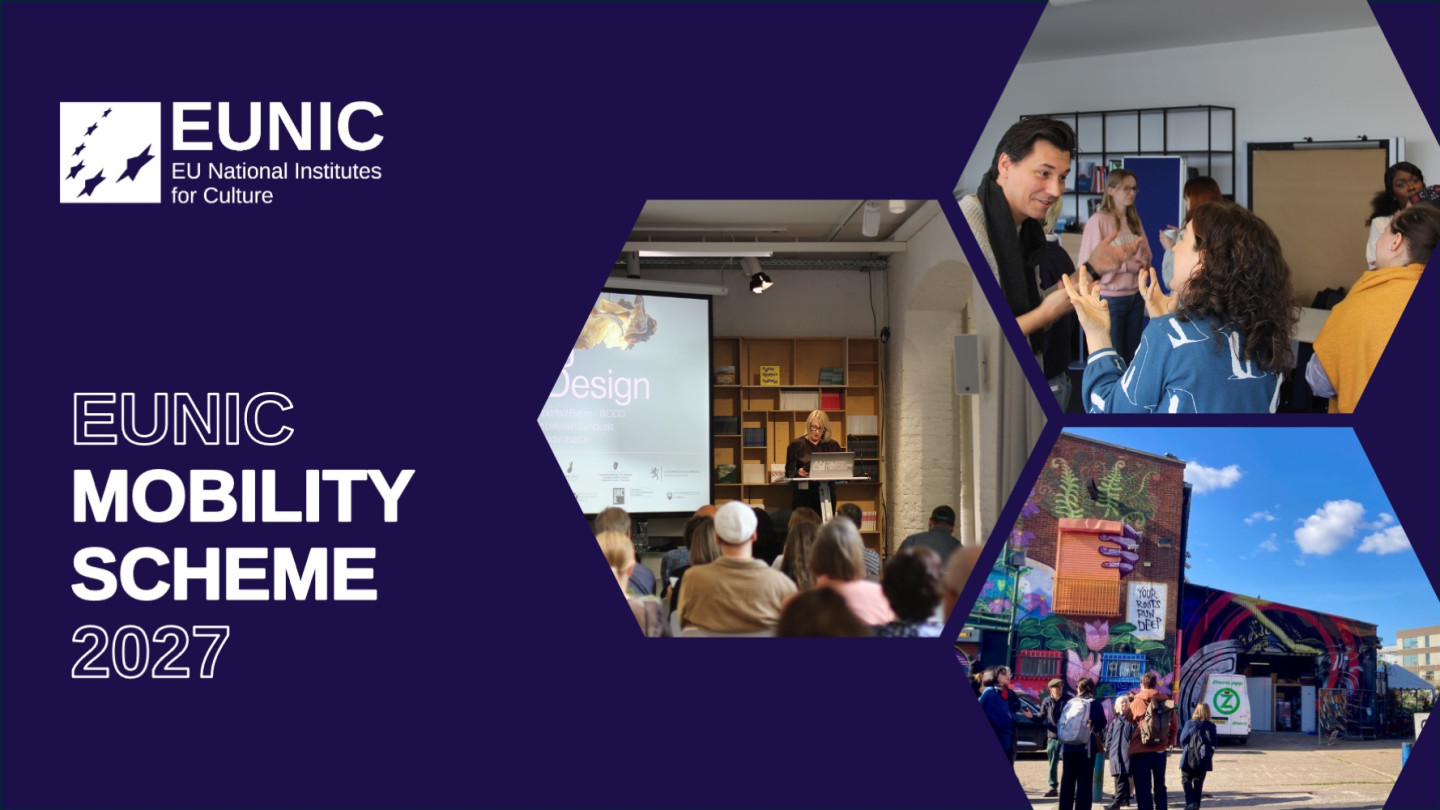
EUNIC Mobility Scheme 2027: Apply to take part!
Over 130 places available. Apply to visit another EUNIC member organisation, learn from their work, exchange ideas with colleagues across the network, and bring new knowledge and connections back to your own organisation.
The EUNIC Mobility Scheme 2027 is now open! Find out how to apply to take part below.
The Mobility Scheme aims to support knowledge sharing among EUNIC members. The programme strengthens the network through staff mobility: in-person visits to other EUNIC organisations centred on specific topics and areas of work.
As a participant you will get the chance to travel to a hosting organisation from our network and learn from them on a specific topic, while discovering different approaches to international cultural relations, exchanging on key questions shaping our work, and strengthening connections across the network.
Who can apply?
Anyone working for a EUNIC member organisation is eligible to apply, either employed locally or in headquarters.
Before submitting an application, please read carefully through this webpage and the call for participants document.
Call for participants document - Read here!
The hosting offers
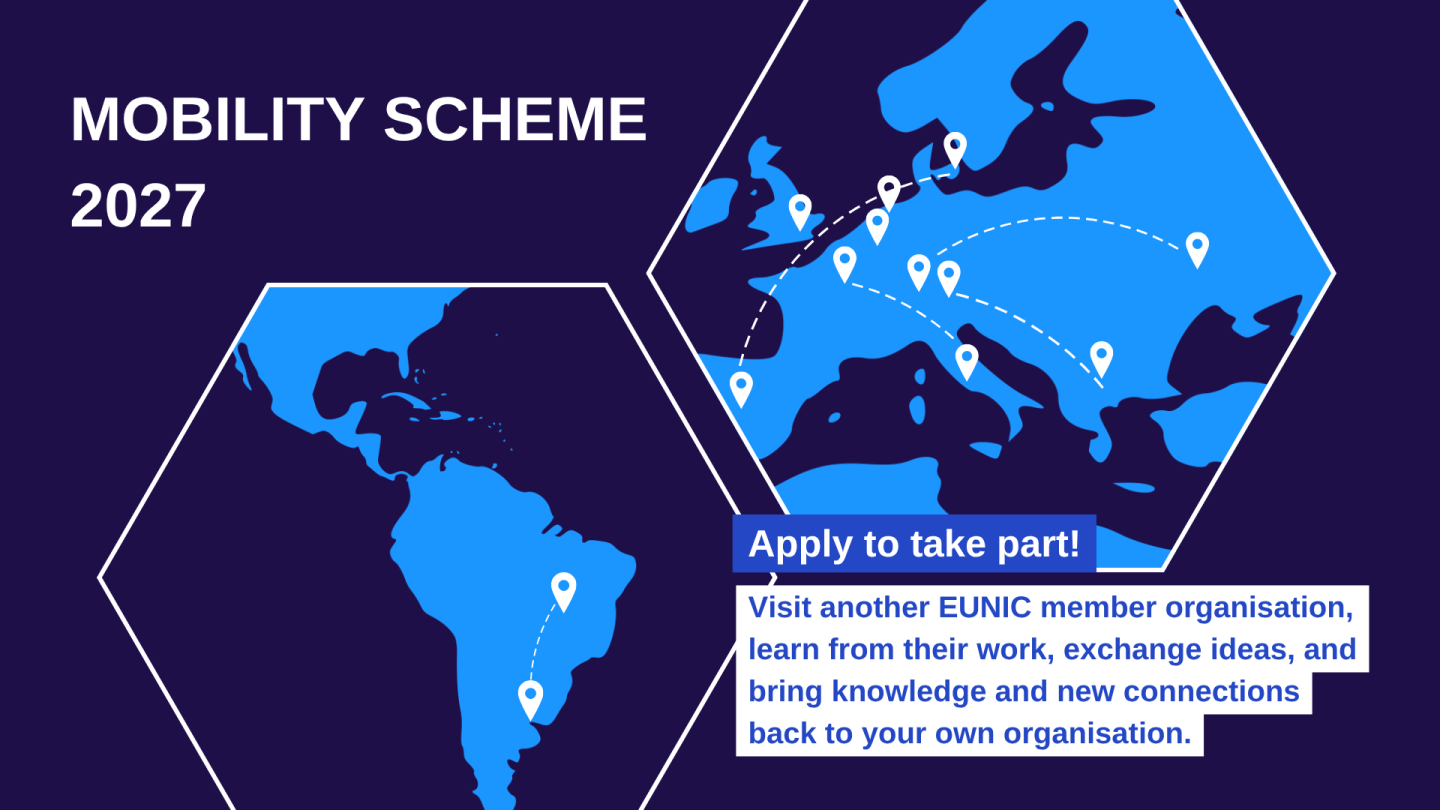
This edition of the Mobility Scheme includes over 130 spots across 13 proposed visits throughout 2027.
Paris: Institut français - February
Madrid: Instituto Cervantes - February
Brussels: EUNIC Global - February
Munich: Goethe-Institut - March
Stuttgart: ifa - March
Montevideo / Buenos Aires: EUNIC Uruguay - April
London: EUNIC London - April
Rome: Italian Ministry of Foreign Affairs and International Cooperation - May
Amsterdam: EUNIC Netherlands - May
Kyiv: Ukrainian Institute - May
Brasília: EUNIC Brasilia - September
Sofia: EUNIC Bulgaria - September
Copenhagen: Lithuanian Culture Institute and Danish Cultural Institute - November
Explore all the visits and their proposed programmes here.
The proposed visits aim to create links to other EUNIC activities such as follow-ups for regional seminars, Knowledge Sharing Workshops and Cluster Fund projects.
The programmes of the proposed visits are diverse and tackle topics ranging from artistic freedom, to cluster governance models, and strategic communication.
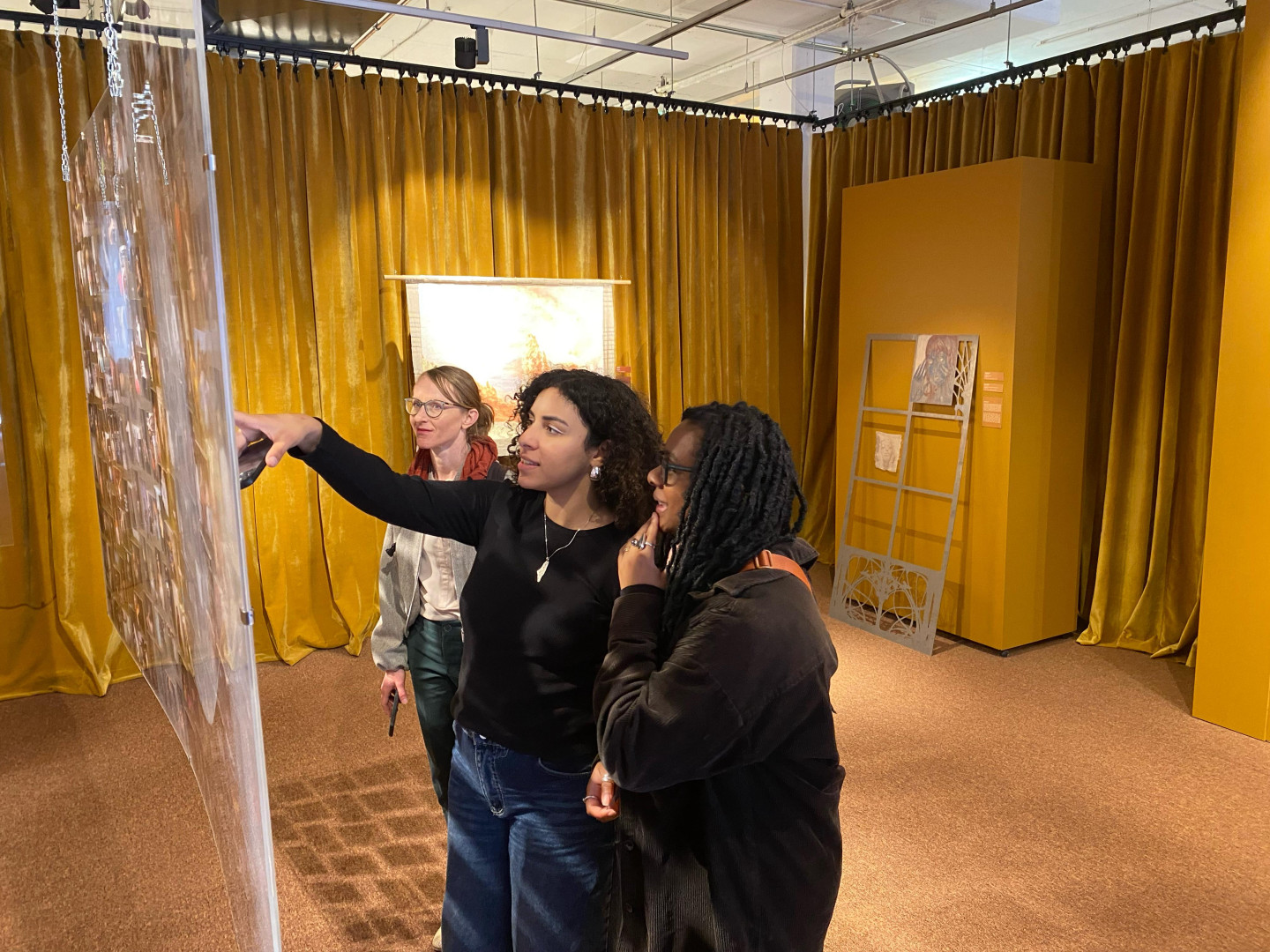
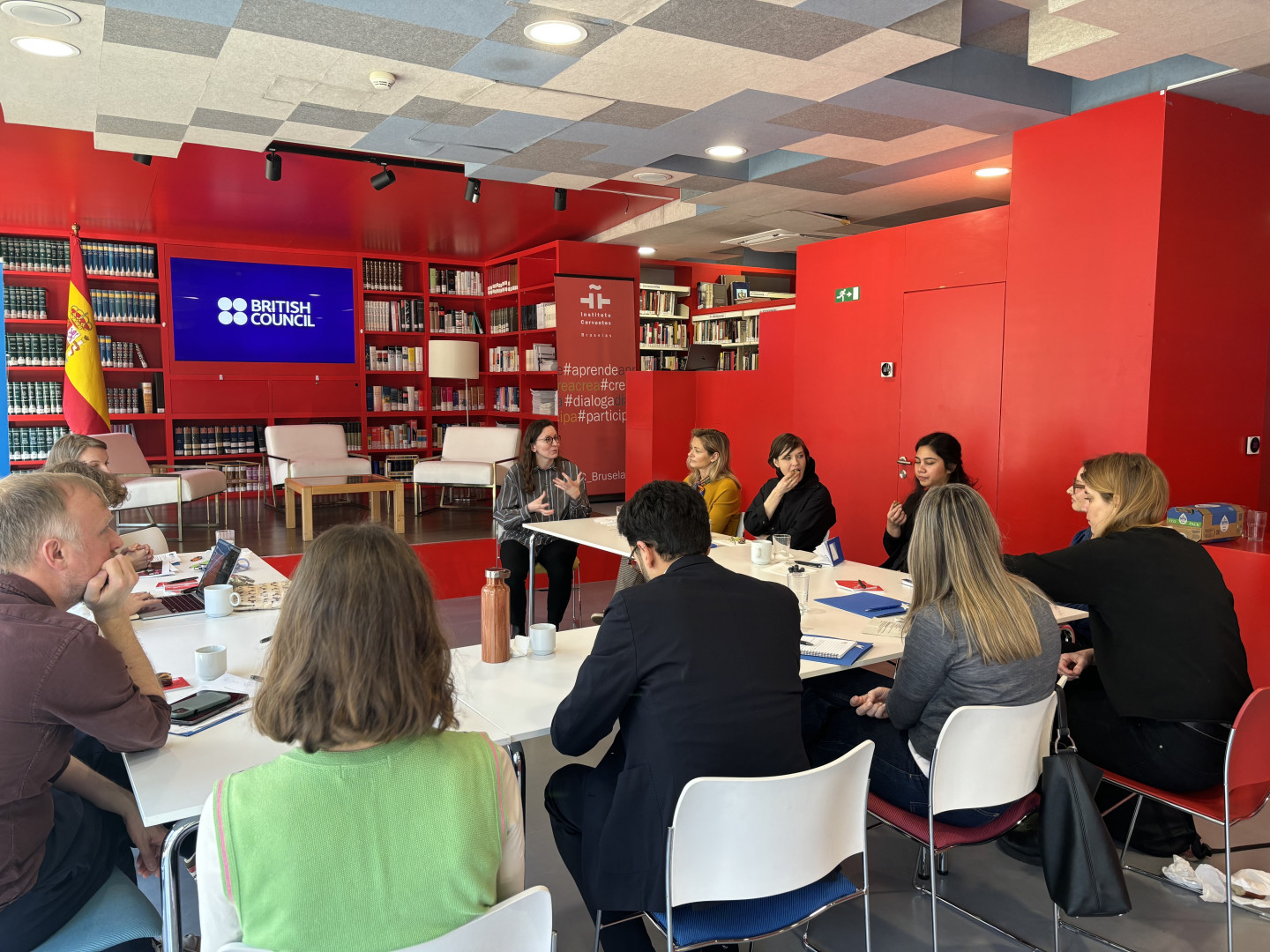
Meeting colleagues from different countries provided new perspectives on common challenges, encouraged the exchange of good practices and opened opportunities for future collaboration within European cultural networks.
Daniel Garcia Gimenez, Instituto Cervantes, Prague
How to apply?
1 - Browse the hosting offers
Click here to view all offers!
2 - Find the right visit that matches for your professional profile
Some visits are designed for colleagues with specific areas of expertise, so please read the participant profile carefully to ensure a good match with your experience and professional development goals.
Please also ensure your availability to travel in the indicated time period by the hosts.
3 - Submit your application by 13 November 2026 (23:59 CET)
Apply by filling out the application form.