What is a EUNIC cluster?
EUNIC members typically have a physical presence internationally, through local branches, institutes, cultural centres or embassies.
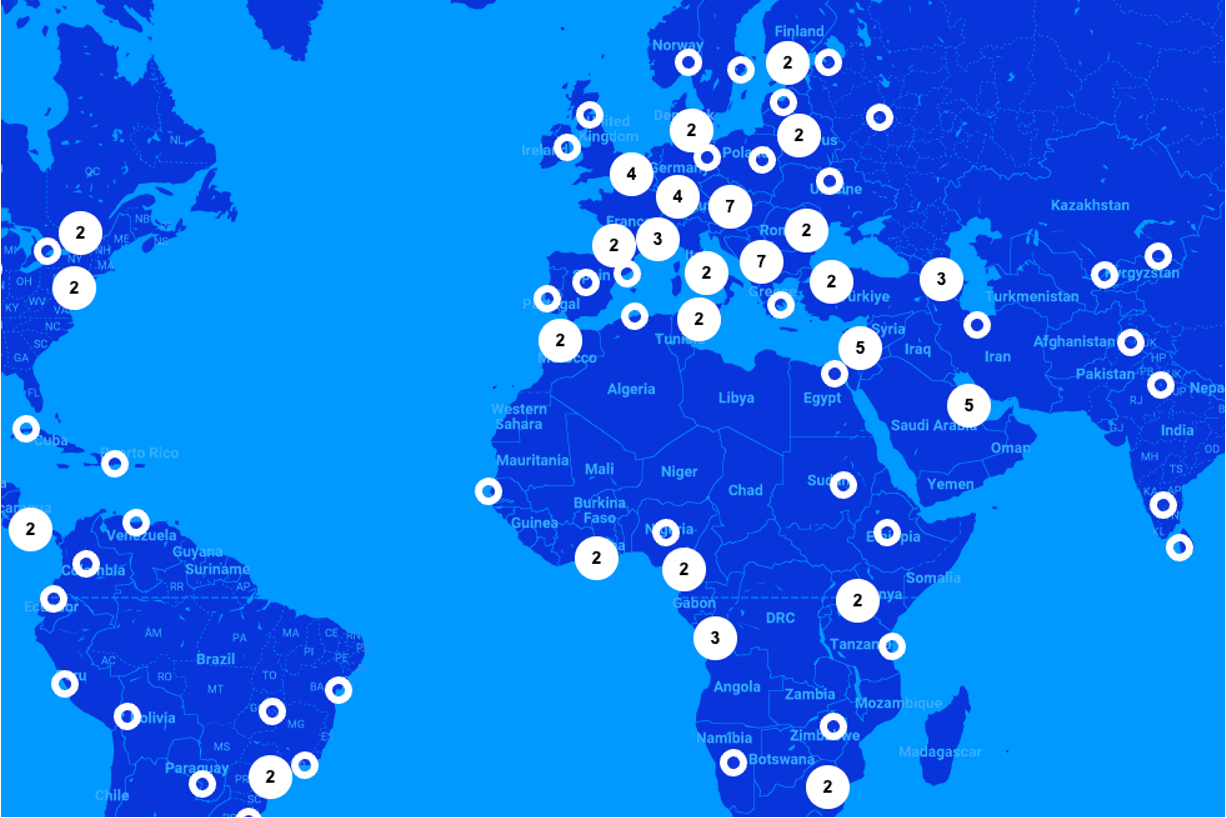
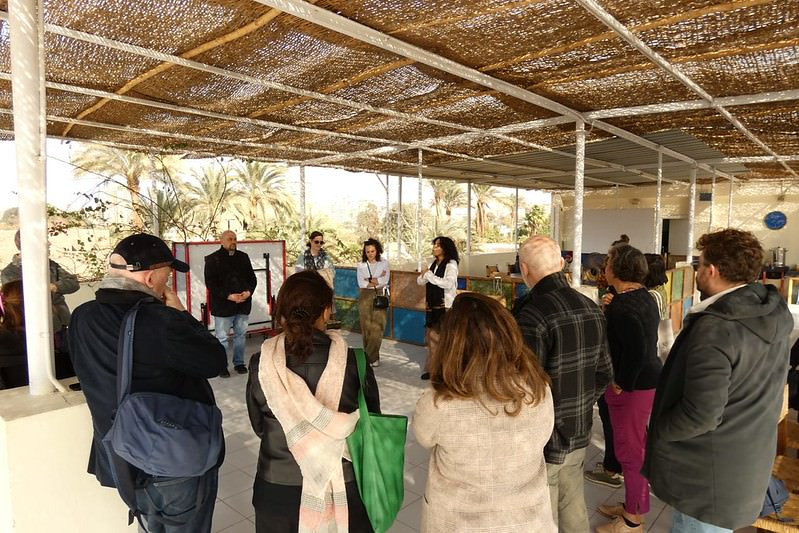
EUNIC clusters are groupings of local branches of EUNIC member organisations. They are formed in locations where at least three Full EUNIC Members are present.
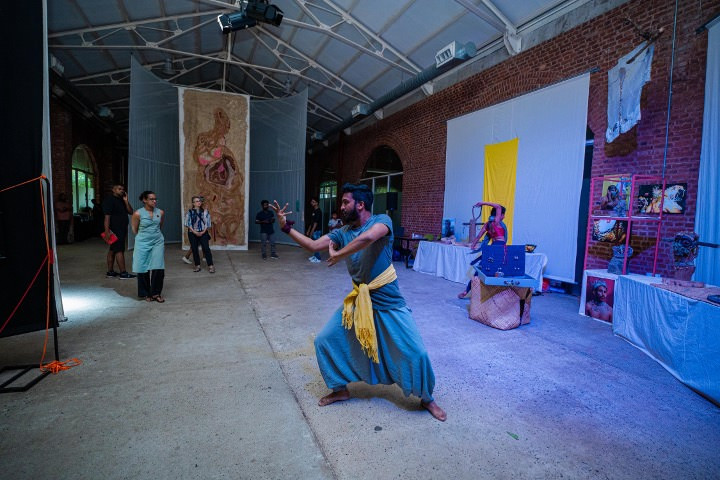
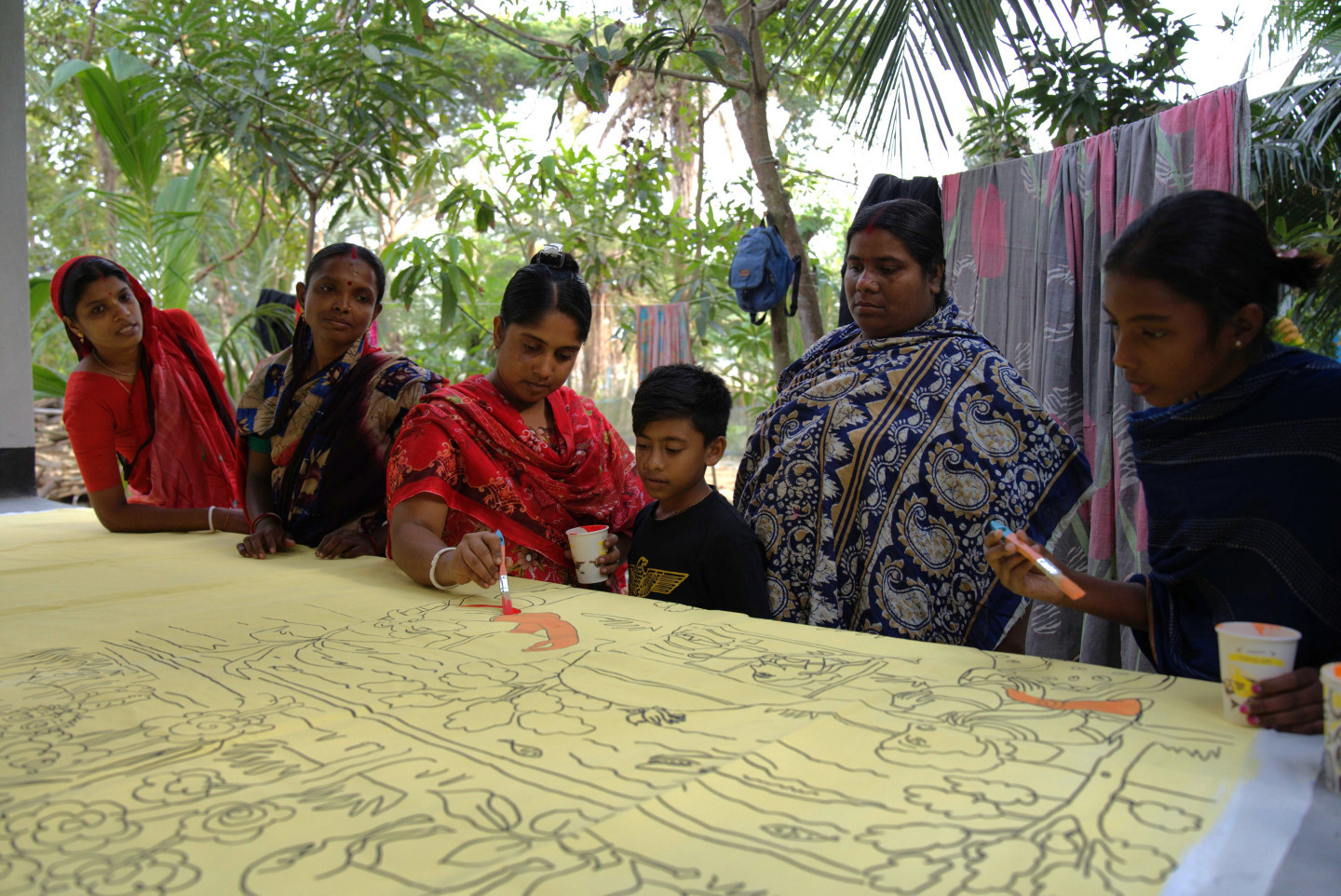
Through clusters, EUNIC members come together to co-create and engage in cultural relations activities with local partners.
They play an important role in achieving the objectives in EUNIC's Strategic Framework, particularly creating people-to people connections through culture and building close ties with civil society organisations around the world.
How do EUNIC clusters operate?
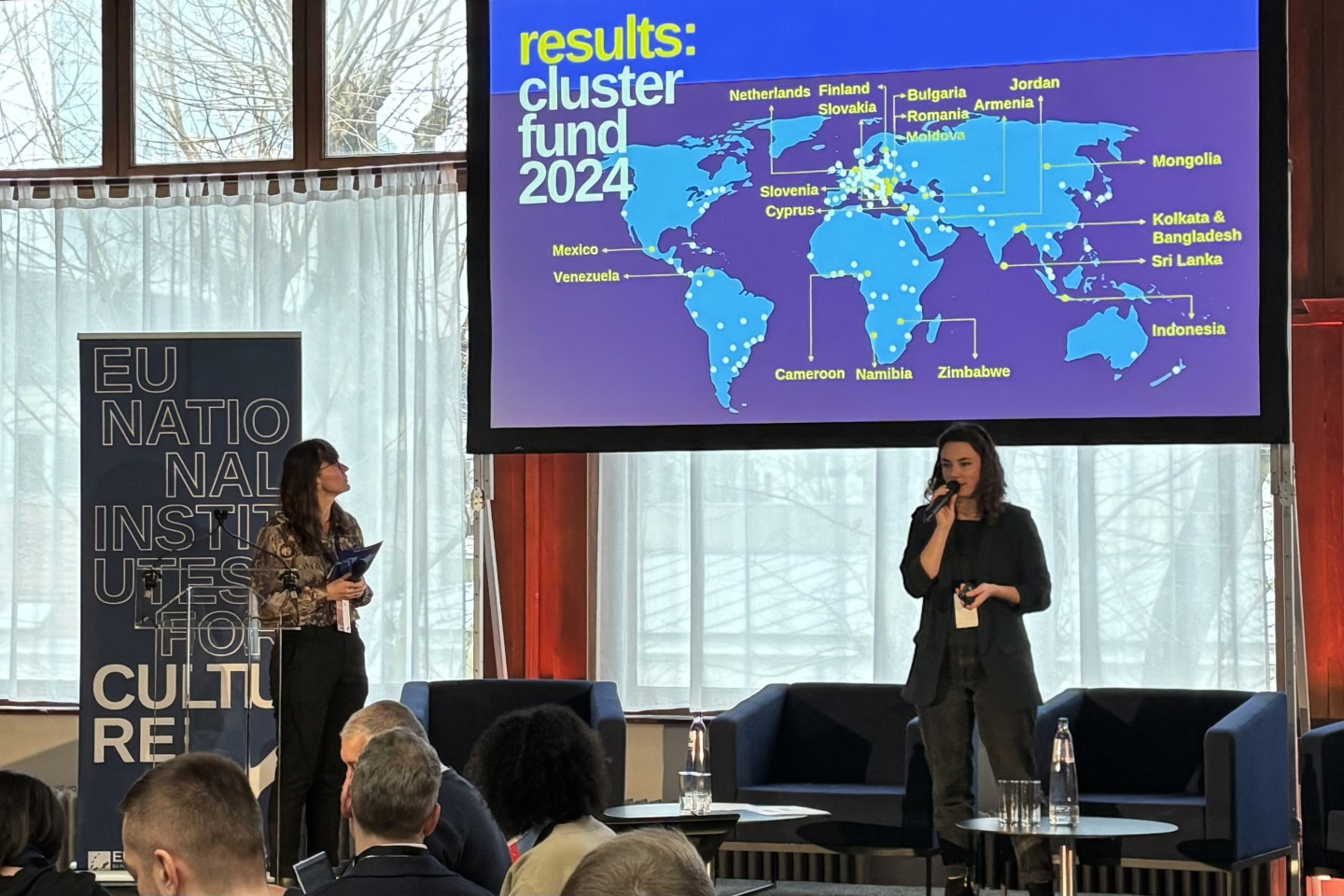
Clusters operate at a city-wide or, more commonly, a national level. They usually take the name of the country they’re based in (like EUNIC Jordan).
If there’s more than one cluster in a country, they’re named after the city (such as EUNIC Brasília).
Each cluster represents the wider EUNIC network. There are different ways organisations can be involved, including as Full Members, Associate Members, strategic partners, or other partners.
Find out more about the getting started as a cluster and the different types of membership.