EUNIC Cluster Fund 2026: Selection results
The Cluster Fund Jury has selected 17 projects to receive Cluster Fund support in 2026. With a total budget of 308,200 EUR, this year’s fund supports cultural relations projects involving 29 different EUNIC member organisations, over 100 local partners, and 11 EU Delegations or Representations.
The EUNIC Cluster Fund 2026 is the internal funding scheme of the network to support joint projects from clusters. It supports activities that reflect the values of international cultural relations and that put both the local cluster's strategy and EUNICs global strategy into practise.
This year's call received 36 eligible applications from EUNIC clusters. The submitted project proposals have been very engaging, focusing on relevant topics in arts and culture such as social inclusion, urban spaces, community building, sustainability. Projects are offering innovative and impactful solutions to global and local challenges while using various art forms, including visual and performing arts, fashion, film, architecture and design.
Jury meeting and evaluation process
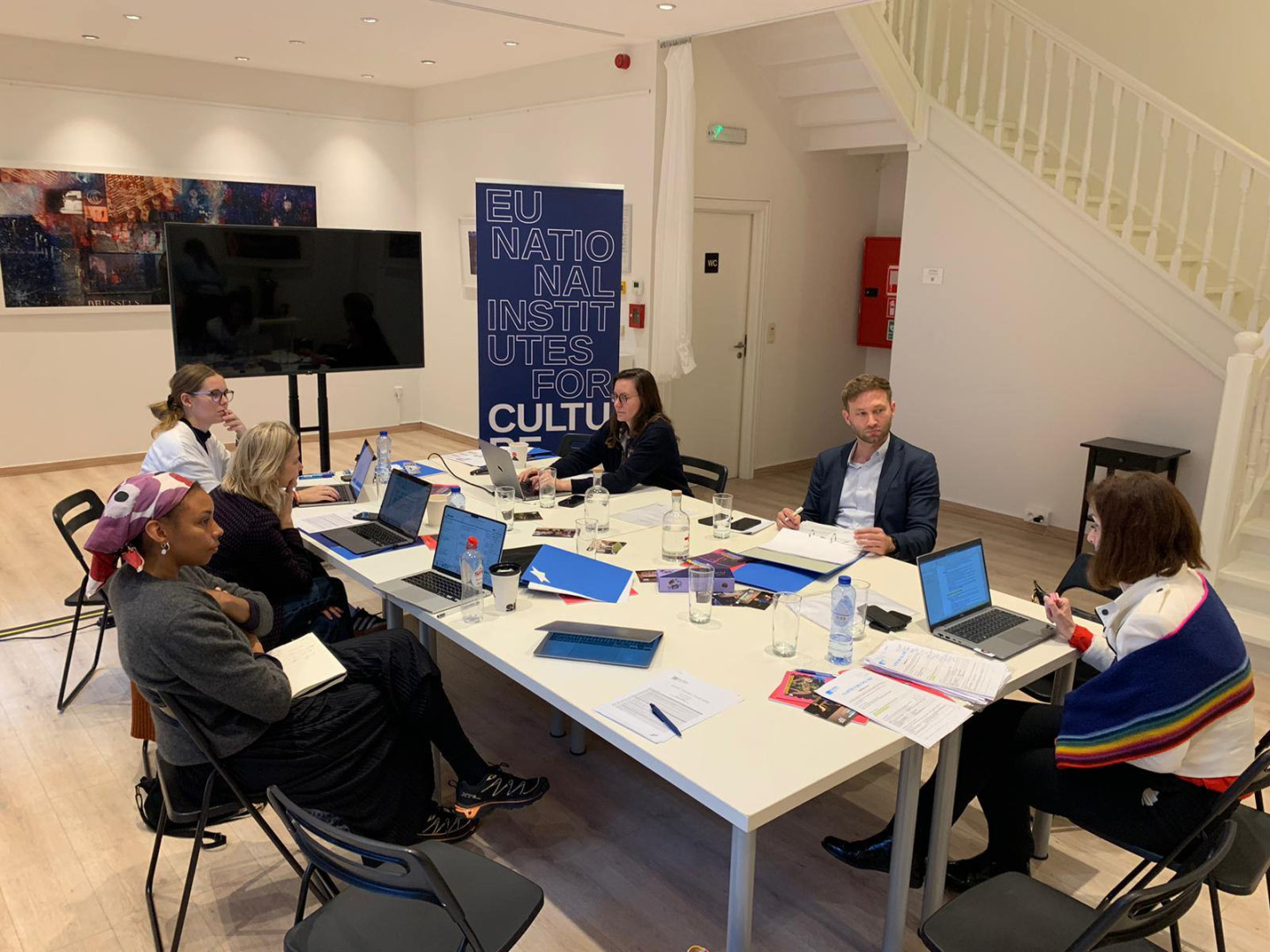
On 1-2 December, an independent jury gathered in Brussels to evaluate the eligible project proposals, guided by the EUNIC team. The jury is composed of expert cultural relations practitioners from four EUNIC member organisations, each offering a unique perspective and a wealth of experience in the field and in working with EUNIC clusters:
-
Agnieszka Bolecka Ministry of Foreign Affairs Republic of Poland, Expert on Diplomatic Missions, Department for Promotion and Cultural Diplomacy, and former member of the EUNIC Brussels Cluster
-
Neicia Marsh Finnish Institute in the UK and Ireland, Programme Director, Culture and Society, and former Co-President of the EUNIC London cluster
-
Michael Schmeiser Federal Ministry European and International Affairs Austria, Head of Unit – Cultural, Scientific and Technological Agreements, Foreign Service, and former President of the EUNIC Thailand cluster
-
Fanny Roland, Institut français HQ, Head of Unit, Residence Programmes, and former member of the EUNIC Tunisia cluster
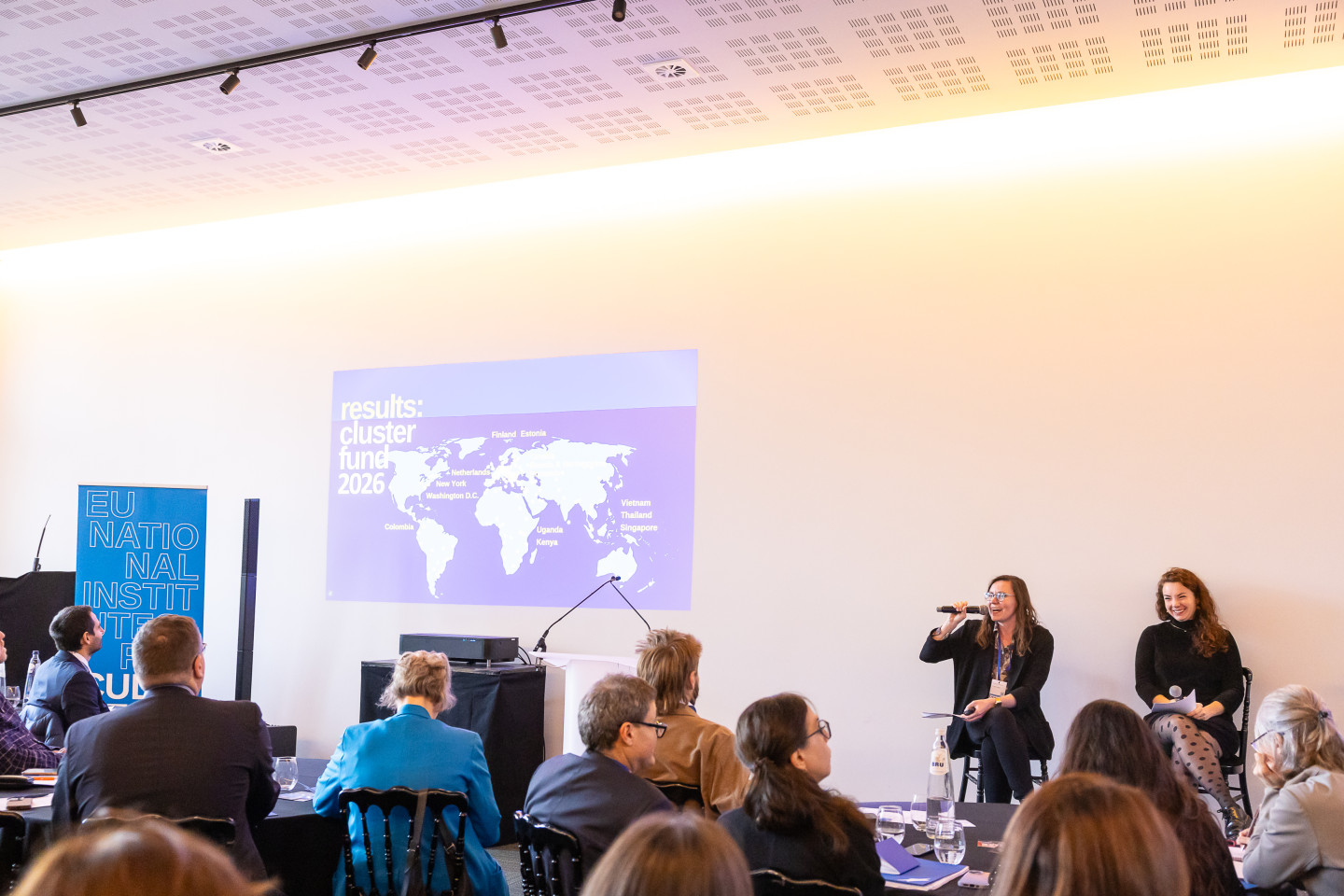
Selection results
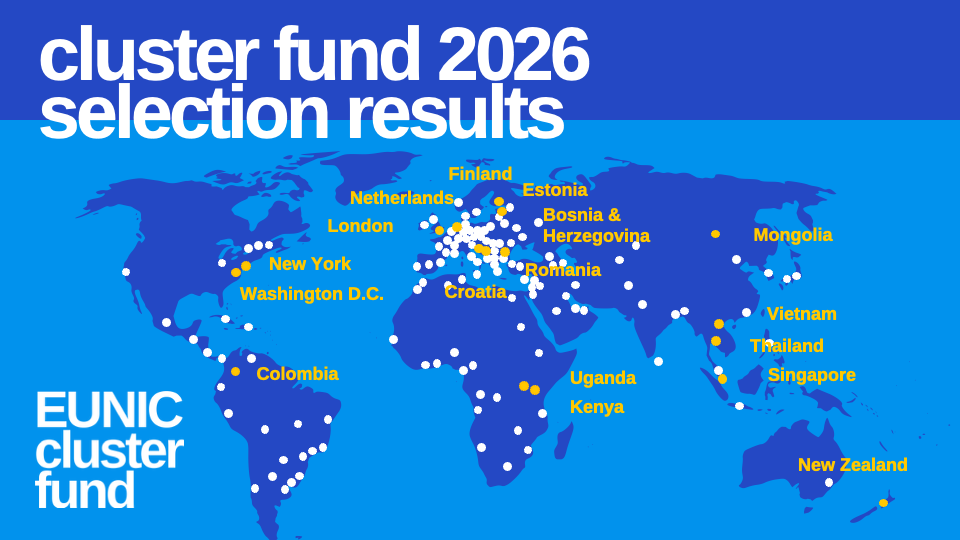
The jury decided on supporting 17 projects from clusters all around the world (3 from the Americas, 5 from Asia-Pacific, 7 from the EU and wider Europe, and 2 from Sub-Saharan Africa).
The total budget granted to the selected proposals amounts to 308,200 EUR, of which 284,500 EUR comes from contributions from EUNIC members’ headquarters in 2025. The additional 23,700 EUR come from reserve funding from unclaimed amounts from past projects that has been reinvested into this year's fund.
The 17 selected projects involve 29 different EUNIC member organisations, over 100 local partners, and 11 EU Delegations or Representations. Projects will be implemented in the course of 2026.
The selected projects are from the following EUNIC clusters:
- Bosnia and Herzegovina with ReWeave – Slow Fashion for Shared Futures
- Colombia with Danza en Expansión
- Croatia with Art for All – European Inclusive Creativity Festival
- Estonia with Dance Floor of Democracy
- Finland with Guarding the Baltic Sea II - Activating ocean literacy and regeneration through artistic research and practices
- Kenya with Afropean Cinema
- London with The Factory International x EUNIC Creative Producers Exchange Programme
- Mongolia with Resurgence - New Nomadic Spirit
- Netherlands with Zöop Connections II - Ripples
- New York with Living in a Sustainable Multiverse. Transatlantic Perspectives on the Uses of Gen-AI in Community Heritage Preservation
- New Zealand with Critical Signals (2026)
- Romania with ACCESS CONSTELLATION: co-creating inclusive cultural futures
- Singapore with Europe-Asia Street Performances & Outdoor Arts Festival
- Thailand with Weaving Futures: A Cross-Cultural Journey in Sustainable Design
- Uganda with Language of Margins
- Vietnam with Collective Stages: A Capacity-Building Arts Festival
- Washington D.C. with The Art of Freedom: Voices of Expression from Europe to America
Find out more about each of the selected projects below.
↓↓
ReWeave – Slow Fashion for Shared Futures
EUNIC Bosnia and Herzegovina
ReWeave – Slow Fashion for Shared Futures is an international, collaborative and inclusive cultural project promoting slow fashion, sustainability, and social inclusion across Bosnia and Herzegovina. It responds to the growing impact of fast fashion and environmental degradation by encouraging reflection on overconsumption and inspiring creative, responsible approaches to clothing and design. Through educational and production workshops in 3-4 cities (Sarajevo, Mostar, Tuzla and Banja Luka), participants – ranging from students and teachers to designers, older adults, and vulnerable groups – will explore sustainable fabric use, recycling, upcycling, garment repair, and traditional crafts such as knitting, crocheting, and embroidery. The project culminates in a public “Slow Fashion Fest” in the mentioned cities during the SDG week in Bosnia and Herzegovina (19.-26.10.2026), featuring a fashion show, clothing flea market, and a Repair Station, where communities come together to learn, exchange, and celebrate sustainable practices. By bridging tradition and innovation, the project fosters intercultural and intergenerational collaboration, empowers local creatives, and raises awareness of environmental responsibility – contributing to the SDGs and highlighting Europe’s cultural commitment to a more sustainable future.
Danza en Expansión
EUNIC Colombia
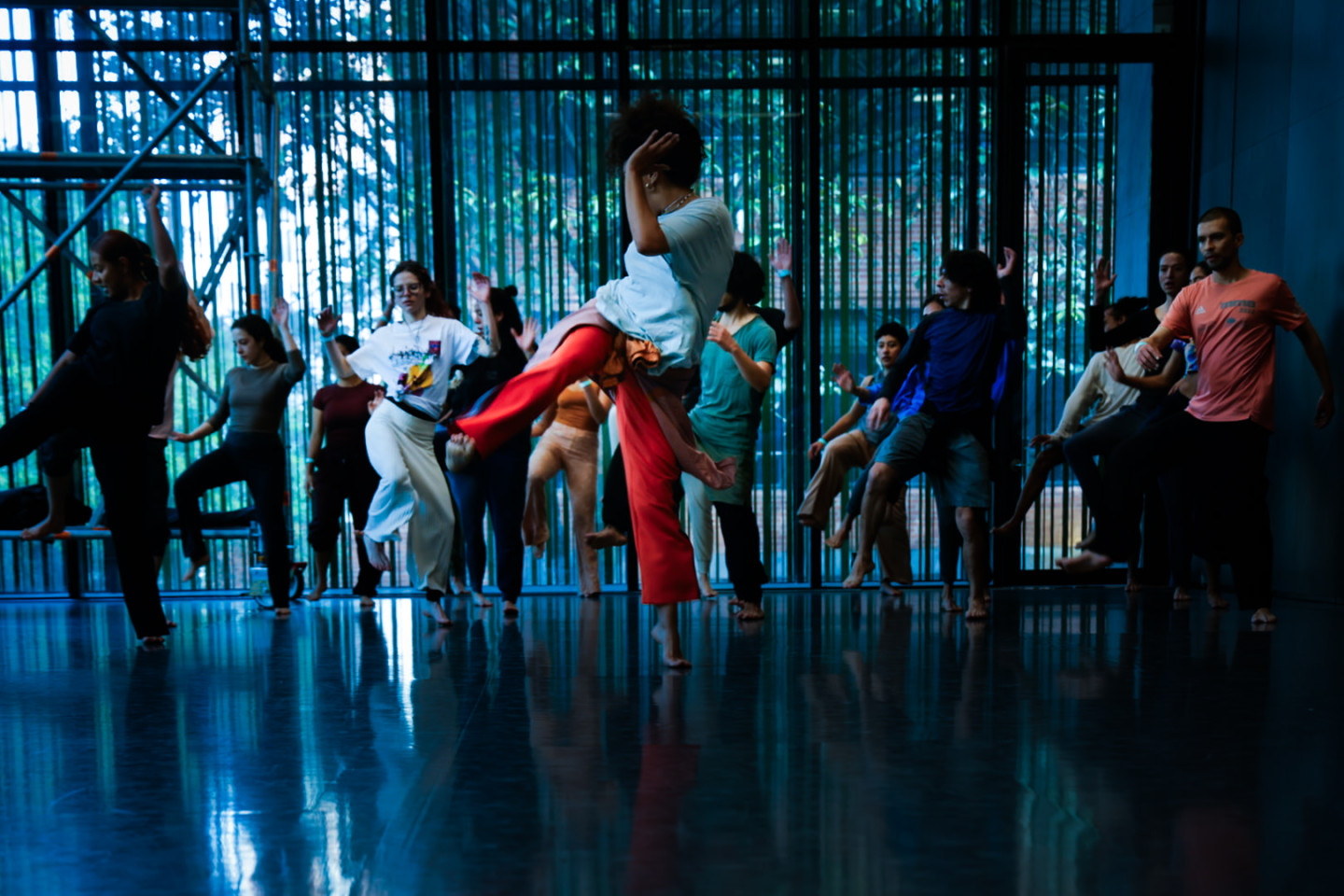
Danza en Expansión is an international cooperation project developed by European and Colombian partners to strengthen the sustainability of the contemporary dance sector through artistic experimentation, interculturality, and knowledge exchange. Building on the experience of Danza en Construcción (2024– 2025), it responds to the need for spaces that foster dialogue, cooperation, and reflection on the structural and creative challenges of dance in Colombia, contributing to the cultural dimensions of peacebuilding and the reweaving of community bonds through artistic practice. The project aligns with the National Dance Plan, encouraging intercultural and interregional collaboration among artists, curators, and institutions; promoting sustainable frameworks that connect diverse territories beyond Bogotá and Colombia. Its programme includes choreographic laboratories, workshops, and a Sustainability Forum dedicated to artistic research, professional exchange, and the exploration of inclusive and resilient approaches to dance creation and management. A key feature is the selection of an independent curatorial and production partner through an open call, reinforcing collective governance, transparency, and diversity in decision- making. Danza en Expansión seeks to strengthen Colombia’s dance ecosystem while building a long-term collaborative network between Latin America and Europe, grounded in reciprocity, shared knowledge, and mutual growth.
Art for All – European Inclusive Creativity Festival
EUNIC Croatia
Art 4 All: European Inclusive Creativity Festival is a project initiated by the EUNIC Croatia Cluster in cooperation with local Croatian galleries. It aims to promote inclusion and acceptance of disabled artists in the cultural sphere. Despite diversity being a core European value, artists with disabilities remain underrepresented in mainstream programs, often due to limited accessibility, visibility, and opportunity. At the same time, cultural institutes have untapped potential to become more inclusive in program and audience engagement. Art 4 All responds to this gap by creating an inclusive festival in Zagreb that brings together local and international, mostly visual artists, with and without disabilities, in a diverse art festival through exhibitions, art workshops, and accessible performances. By showcasing inclusive models from across Europe, the project aims to inspire Croatian institutions and foster long-term change. Events will take place in Zagreb, with possible extensions to cities like Rijeka and Zadar, based on local partnerships. Framed as a contribution to social sustainability, the project aims to make cultural life more accessible and community-rooted. It also aspires to spark dialogue on inclusion on a larger scale, encouraging the creation of a National Inclusivity Day and establishing the festival as an ongoing tradition. Although the project will be mostly based in Zagreb, incursions in other cities will also be contemplated with local partners.
Dance Floor of Democracy
EUNIC Estonia
Dance Floor of Democracy is a cultural initiative that highlights the immense value of club culture for the society as a platform for democratic dialogue, inclusion, and European collaboration. Clubs offer a space for community, intercultural communication, (artistic) self-expression, and creative exploration. Clubs can also serve as safe spaces for marginalised groups, where shared values such as diversity, tolerance, and freedom are celebrated through sound, movement, and presence. Through a dynamic interplay of music and talks/workshops, the project explores how these aspects of nightlife can be fostered and what loss the closure of clubs means for a city's society. In two phases of the project, from Europe Day in May to a concluding artistic conference in October, the project will celebrate cultural diversity and the European club music scene, explore ways to make music events more sustainable and accessible, explore queer culture, open up ways to talk about club culture in rural areas, and bring together night-time culture stakeholders and urban decision-makers. Together with partners from nine countries, the EUNIC cluster in Tallinn will invite artists, social scientists, activists, cultural professionals, and politicians to contribute to the project's events. In this way, the project promotes international exchange and fair collaboration, to ensure a lasting impact on the local and European cultural scene.
Guarding the Baltic Sea II - Activating ocean literacy and regeneration through artistic research and practices
EUNIC Finland
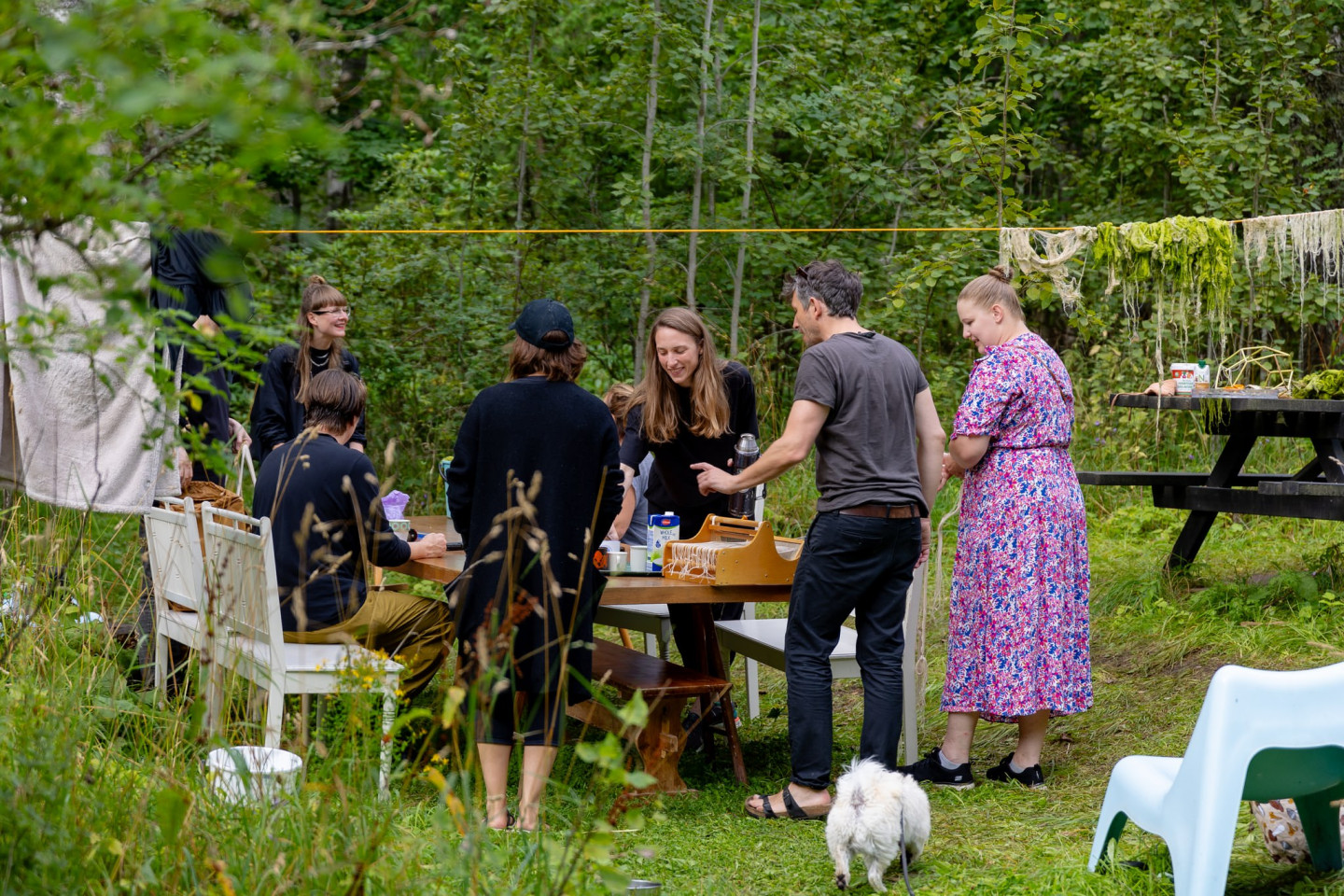
Guarding the Baltic Sea started in 2025 as a multidisciplinary art project set on the island of Vartiosaari (guarding island), located in the Helsinki archipelago in Finland. Initiated with the goal to raise public awareness of the ecological challenges facing the Baltic Sea and other bodies of water, including climate change, pollution, and biodiversity loss, it brought together artists from Finland, Estonia, Poland, Germany and France through artistic residencies. Activity formats such as an international conference, workshops together with Aalto University, an exposition, a video production and the recording in a German television program Kulturzeit with over 80 000 viewers have contributed significantly to increase visibility and to strengthen international networking and dialogue between art, science and politics. Based on the results Guarding the Baltic Sea II is a continuation of the first edition of the project. In 2026 the project involves again artists from different European countries who will realise artistic inquiries and discover new paths of collaboration and experimentation through artistic residencies. Following a second edition of an international conference and an exposition of the working results, a workshop with different EUNIC Clusters (e.g.GR, FR, NL,TR) and international experts from art, science, politics will evaluate and discuss innovative solutions how ocean literary could be brought to life and how knowledge, empathy and action can be combined.
Afropean Cinema
EUNIC Kenya
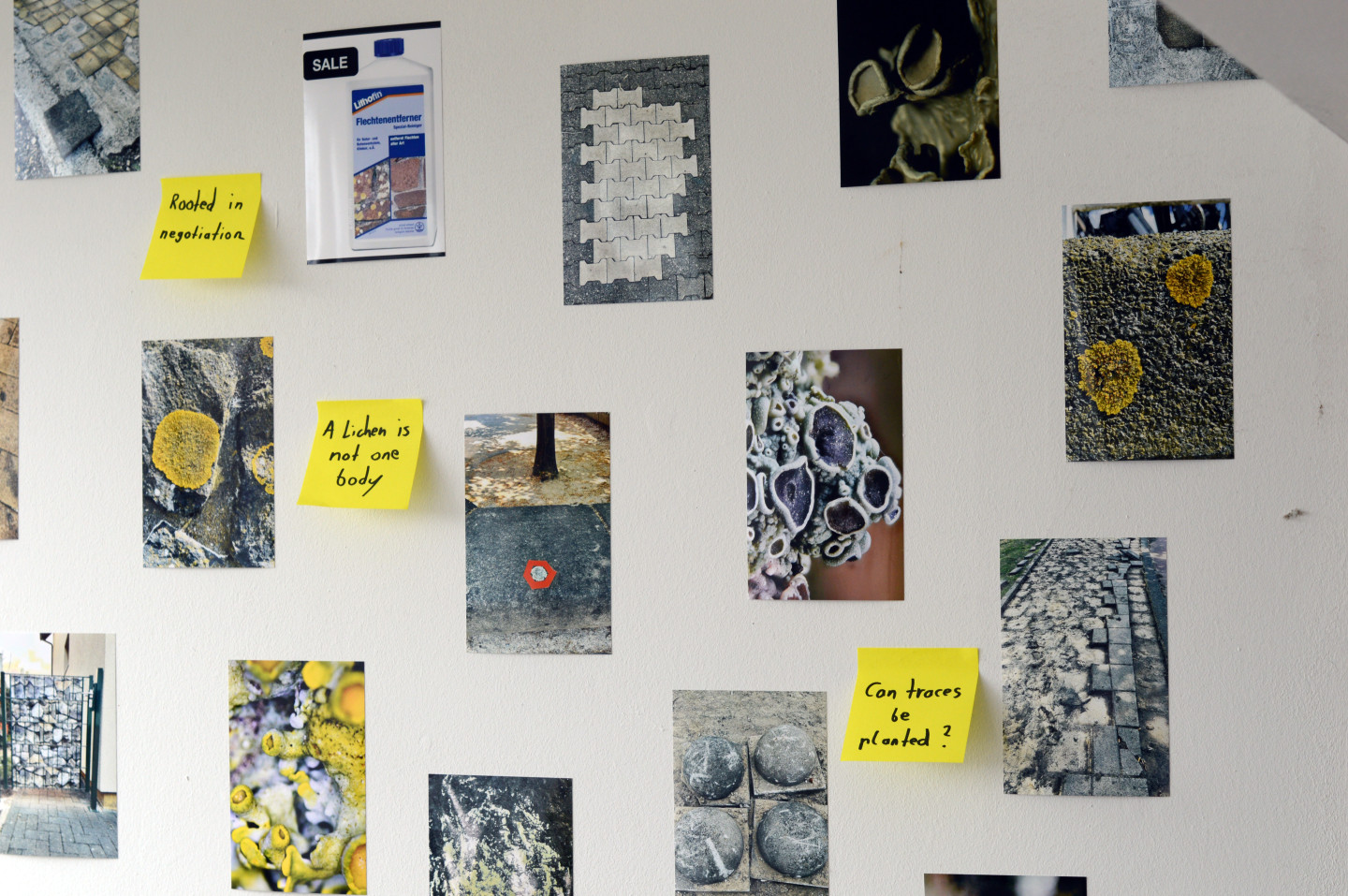
For decades, filmmakers of African descent have been working in European countries. Med Hondo, Sara Maldoror or Safi Faye were at the forefront with works such as “Soleil Ô” (1970), “Monangambee” (1968) or “Man sa yay” (1980), addressing the experience of colonization and immigration. With their films, they were contesting the self-perception of white Europeans with a perspective both from inside and from outside Europe. In the 1980ies and 1990ies, the Black Audio Film Collective was a key player in the UK. Today, the success of filmmakers such as Alice Diop (Grand Jury Prize for “Saint Omer” in Venice in 2022), Mati Diop (Golden Bear for “Dahomey” in Berlin in 2024), and veteran Steve McQueen speaks for itself. At the same time, lesser-known artists such as Oliver Hardt, Patricia Bbaale Bandak, Ines Johnson-Spain, or Jide Tom Akinleminu are producing outstanding work across the European continent, thus enriching the European film culture. However, this thickly woven tapestry of diasporic filmmaking is rarely seen and discussed on the continent. Consequently, our project aims at creating platforms for artistic exchange, transcultural dialogue and mutual knowledge transfer - via workshops, masterclasses, film screenings, and q&a sessions both in urban and rural areas. A close and fair collaboration with our Kenyan partners (NBO Film Festival, Docubox, and Ateker International Film Festival in Lodwar) is a key factor for the success of Afropean Cinema.
The Factory International x EUNIC Creative Producers Exchange Programme
EUNIC London
The Factory International x EUNIC Creative Producers Exchange Programme is a collaborative initiative between Factory International, EUNIC, the EU Delegation to the UK, Arts Council England, and Manchester-based partners, designed to foster cultural dialogue and artistic collaboration between the EU and the UK. Conceived as a residency for producers—rather than artists—it foregrounds the essential yet often overlooked role of creative producers in shaping international cultural collaboration. The programme will bring together 12-15 creative producers from across Europe—nominated by EUNIC members—alongside 2 Manchester-based producers whose work engages with social change and activism through culture. Taking place in Manchester in July 2026, the programme offers an immersive week of networking, performances, and learning activities at Factory International and its partner venues. Participants will explore new models of collaboration, connect with UK organisations, and lay the groundwork for future co-productions. Complementing the in-person experience, pre- and post-visit online sessions will sustain exchange and peer learning. Public-facing workshops with local youth communities will further amplify the visibility of European creatives in the UK, strengthening cultural understanding and collaboration through shared creative practice.
Resurgence - New Nomadic Spirit
EUNIC Mongolia
Resurgence explores the evolving identity of global migration through collaborative artistic creation. In Mongolia, where rural-to-urban migration has accelerated since the 1990s, many former herders affected by climate change have settled in urban areas, facing new social and cultural challenges. Reflecting this global phenomenon, the project connects these local experiences with broader European perspectives. Over six months of exchange and co creation, under a dual European Mongolian curatorship, visual and sound artists from Mongolia, Austria, Denmark, Finland, France, Germany, Italy, The Netherlands and Sweden will collaborate to produce new works. The project culminates in exhibitions of seven participating artists, and four audio-visual live performances to be held in Ulaanbaatar and the provinces, presented in collaboration with XAOS, an international festival of experimental music and visual art. By combining traditional and contemporary forms, Resurgence uses art as a universal language to explore belonging, resilience, and transformation in a world shaped by mobility and climate change.
Zöop Connections II - Ripples
EUNIC Netherlands
“This is perhaps my take on what a regenerative relationship can look like: a relationship where meaning flows from one form of life to another and where we let what is meaningful for other lifeforms transform what is meaningful for us.1” Zoöp Connections is a networked residency programme connecting European cultural institutes (EUNIC members) and Dutch “Zoöps” — organisations committed to multispecies justice and ecological regeneration. Together, they create one-month residencies for artists, thinkers and practitioners from across Europe to learn from, live with, and work within these living ecosystems. Rather than focusing on production, the residencies encourage immersion, care and attention — opening new ways of knowing, listening and relating to the more-than-human world. Each residency is co-designed by a Zoöp and an EUNIC member after a matchmaking process, responding to local needs and ecological questions. The 2026 edition builds on the success of the first Zoöp Connections cycle, expanding and deepening commitment by Zoöps, EUNIC members and other partners, such as the communications partner, Meander Magazine. Through local hosting, artistic research, and shared learning moments, the project nurtures sustainable cultural relations between people, places, and other-than-human life, shaping a European culture of regeneration and ecological citizenship.
Living in a Sustainable Multiverse. Transatlantic Perspectives on the Uses of Gen-AI in Community Heritage Preservation
EUNIC New York
Living in a Sustainable Multiverse is an immersive art and technology exhibition, conference, workshop series, creative lab, and guided tour presented during Archtober 2026, New York City’s October festival of architecture and design. The project integrates art, architecture, heritage, and generative artificial intelligence (GenAI) to explore how innovation can foster sustainable and inclusive urban futures. The “multiverse” evokes the coexistence of three realities: the physical city, its digital twins, and speculative futures imagined through AI. Through interactive installations, AR/VR experiences, and collaborative labs, participants will co-create across these dimensions, connecting technology, heritage, and imagination. New York faces increasing pressures on its urban heritage—rapid development, limited preservation resources, and shifting neighborhood identities. Drawing on European experience in community-based heritage preservation and robust legal frameworks linking cultural value and public interest, the project bridges transatlantic expertise with U.S. leadership in GenAI and civic technology. As a main outcome, EUNIC New York will position itself as a leading platform driving policy change through the development of a policy paper, Living in a Sustainable Multiverse: Transatlantic Perspectives on the Uses of GenAI in Community Heritage Preservation, and a follow-up advocacy campaign culminating in a collaborative GenAI commissioned public artwork.
Critical Signals (2026)
EUNIC New Zealand
Critical Signals, run by a local collective of curators, academics, artists and community activators, offers a public space to learn, imagine and act on collective strategies for navigating rapid change through sovereignty, resilience and care. Launched as a pilot in 2025, Critical Signals returns in 2026 with a new edition focused on the topics of Energy and Democracy, with a dedicated EU component. These themes will be explored through academic research, artistic practice and community engagement. Energy concerns infrastructure and access to resources; Democracy involves participation, trust, and collective decision-making. Both topics link New Zealand and the EU through shared challenges and values, encouraging reflection on how communities can build fairer, more sustainable futures. A physical space in Wellington becomes the hub where ideas, critical thinking and practical knowledge meet. Over three months, invited guests from Europe and New Zealand set the framework for the local community to shape the programme with their own ideas and questions. The evolving programme includes talks, workshops, seminars and exhibitions that offer artistic responses and open dialogue. Collaboration between the local community and EU guests will create connections and foster exchange. Critical Signals functions as a lab, a research site and a neighbourhood commons — a safe space to gather, experiment and prepare. A newsletter and podcast extend access to those joining remotely.
ACCESS CONSTELLATION: co-creating inclusive cultural futures
EUNIC Romania
Access Constellation is a collaborative European disability and arts initiative that unites diverse abled artists, accessibility experts, cultural institutions and local communities to co-create innovative approaches to accessibility in the cultural sector. Building on the 2025 British Council Scoping Study on Arts and Disability in Romania, the project addresses gaps in expertise, institutional commitment, and collaboration with disabled professionals. It (re)frames accessibility as a catalyst for creativity, dialogue, innovation and institutional transformation, not just a compliance requirement, embedding inclusion as a shared responsibility across the cultural sector. The program begins with an Accessibility Mapping & Needs Assessment to guide activities, followed by an Accessibility Academy - a capacity building component fostering peer learning with Romanian and European experts. Accessibility Incubators pair European disabled artists, activists, or experts with Romanian cultural institutions to explore inclusive artistic production, accessible curatorial practice, and institutional transformation. Local disability organizations act as creative and community partners and consultants, ensuring meaningful participation and scalable impact. EUNIC Romania engages in all phases strengthening institutional capacity and investing collectively in Romania’s cultural ecosystem. Through mutual learning and shared ownership, the project fosters a more inclusive European cultural sector.
Europe-Asia Street Performances & Outdoor Arts Festival
EUNIC Singapore
EUROPE–ASIA STREET PERFORMANCES & OUTDOOR ARTS FESTIVAL (working title) is a cultural and professional event dedicated to promoting street performances and outdoor arts in Singapore. Organized in partnership with SCAPE, an institution supporting youth and creative communities, the project aims to strengthen the visibility and development of outdoor arts in Singapore. It brings together artists from Europe and Asia for a week of workshops and artistic exchange, leading to a final weekend of open-air performances for audiences of all ages. The festival fosters cross-cultural collaboration and celebrates the creative use of public space. The project also includes a professional mentoring programme led by experts from Circostrada, the European network for contemporary circus and outdoor arts. In collaboration with SCAPE, they will adapt BOUNCE, Circostrada’s development programme, to support the growth of Singapore’s emerging outdoor arts scene. During the final weekend, public panels will feature European and Singaporean professionals discussing the role of outdoor arts in urban life and international collaboration. The festival ultimately aims to connect artists and audiences across continents— spontaneously, creatively, and in the open air.
Weaving Futures: A Cross-Cultural Journey in Sustainable Design
EUNIC Thailand
Weaving Futures: A Cross-Cultural Journey in Sustainable Design connects EUNIC members, the EU Delegation, and Thai and European universities through an innovative, cross-cultural approach to sustainable design. It addresses urgent ecological challenges by fostering dialogue between young designers from Europe and Thailand, promoting eco-responsibility, inclusivity, and shared creativity. The project brings students from Thailand and Europe for an immersive field experience in remote Thai regions, where traditional craftsmanship and sustainable practices inspire new ideas. Each Thai–European student pair then undertakes a residency - guided by professional mentors from both continents - to translate local knowledge into innovative prototypes reflecting environmental awareness and cultural exchange. Inspired by and partnering with the Design Asia program by NHL Stenden University (Netherlands), the project gives a broader European dimension to cross-cultural learning. Its results will be showcased at major public events, including at Galleries Nights (Alliance Française Bangkok) and Chiang Mai Design Week 2026. Building on Creatives for Climate Action - Thailand (CCAT) Weaving Futures turns dialogue into design — transforming shared values into tangible outcomes and lasting partnerships between students, institutions, and communities.
Language of Margins
EUNIC Uganda
Since time immemorial, artists have confronted social injustices and addressed sensitive political, environmental, and economic issues, often at great personal cost. From Ngũgĩ wa Thiong’o’s imprisonment in Kenya to Stella Nyanzi’s exile from Uganda, artistic expression has long been a site of resistance and truth-telling from the margins. As digital art gains global recognition and AI opens new creative frontiers, The Language of Margins explores how artists use digital tools to advance critical dialogue where traditional discourse is suppressed. This collaborative initiative by Alliance Française Kampala, Goethe- Zentrum Kampala, The French Embassy, and British Council Uganda, with the EU Delegation to Uganda as a strategic local partner, examines how artists across Africa, France, and Germany employ digital platforms to confront gender inequality, political oppression, social injustice, and environmental degradation. Through research, publications, and an online symposium, the project fosters cross-border dialogue, amplifies artistic resilience, and builds networks of solidarity among creators navigating the tensions between creativity, control, visibility, and vulnerability.
Collective Stages: A Capacity-Building Arts Festival
EUNIC Vietnam
Vietnam's 2025 governmental reforms and US's DEI funding cuts have devastated disability advocacy organizations, deepening the marginalization of people with disabilities who already face limited cultural representation and persistent stigma. In this critical moment, theater and performing arts offer a unique opportunity. These art forms carry expressive power while navigating censorship through creative ambiguity—making them ideal vehicles for social change in Vietnam's restricted civic space. Our Inclusive Theatre and Performing Arts Festival places people with disabilities at the center of artistic creation, not as subjects of pity but as creative leaders reshaping cultural boundaries. The festival brings together European and Vietnamese artists—with and without disabilities—to co-create performances across theater, dance, and music. The program pairs workshop-led and professional performances to highlight inclusive excellence. Key events will activate both Hanoi’s traditional theater and public spaces- such as park, river bank, etc - bringing performances to audiences beyond traditional spaces. These public interventions break down barriers and foster inclusive engagement. Through collaborative, experimental processes, we’re building a more open arts sector in Vietnam, encouraging participation from artists, CSO leaders, and the public. This approach sparks lasting dialogue and innovation at the intersection of contemporary arts and inclusion—something new for Vietnam.
The Art of Freedom: Voices of Expression from Europe to America
EUNIC Washington D.C.
The Art of Freedom: Voices of Expression from Europe to America is a year-long cultural initiative by EUNIC Washington, D.C., marking the 250th anniversary of American democracy. Through exhibitions, performances, debates, music, and participatory events, the project explores freedom of expression and artistic freedom as shared transatlantic values. From revolutionary art and protest music to immersive theatre, multilingual storytelling, and youth-led dialogue, European artists and thinkers engage with American audiences to reflect on liberty, resilience, and the power of voice. A highlight is the Night of Ideas, a marathon of debates and performances featuring students, artists, and civil society leaders. Another is Truth and Love, a tribute to Václav Havel’s legacy, exploring moral courage and freedom of speech through theatre and public dialogue. A third is Point of You, an interactive Swedish performance inviting audiences to co-create a temporary society and reflect on trust, community, and agency. United under a shared theme and joint branding, the project brings together embassies, cultural institutes, universities, and local partners to co-create inclusive, timely, and impactful cultural experiences that celebrate the enduring role of art in shaping democratic societies and collective memory.