EUNIC builds a collective international cultural relations approach amongst our members, to strengthen trust and understanding internationally through culture.
We advocate for the role and recognition of culture as core component of international relations, and we are a long-term strategic partner of the EU in this field.
EUNIC members are international cultural relations organisations, responsible for engaging in cultural and related activities beyond their national borders.
We bring together both governmental and non-governmental organisations, with diverse mandates and operational realities, in one community of practice.
We represent 38 members based in all EU Member States, the UK and Ukraine.
Our members typically have a physical presence internationally, through institutes, cultural centres or embassies.
EUNIC's global network includes over 140 clusters present in more than 100 countries. Clusters are groupings of local branches of EUNIC member organisations formed in locations where at least three full members are present.
The role of each cluster is to co-create cultural relations projects, and build strong connections with local civil society and with creative and cultural communities around the world.
Cultural relations approach
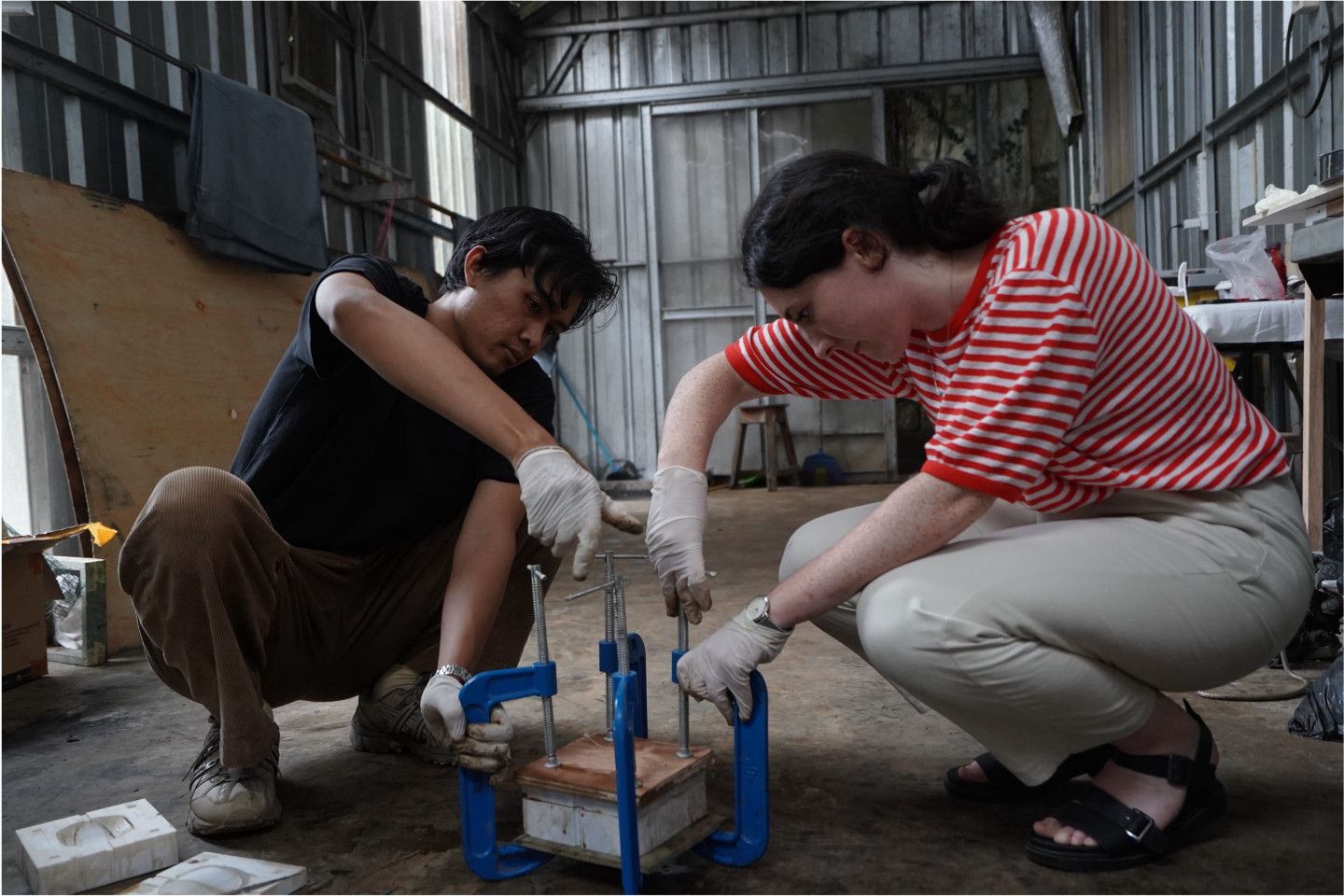
Our work is deeply rooted in the principles of international cultural relations, a values-led approach seeking to stimulate collaboration and create mutually beneficial relations based on respect, solidarity and commitment to cultural diversity.

Fair collaboration
We strive to build and maintain fair partnerships by practising mutual listening and learning and by engaging in co-creation and joint capacity building with a commitment to cultural and civil society actors.
Global position, local contexts
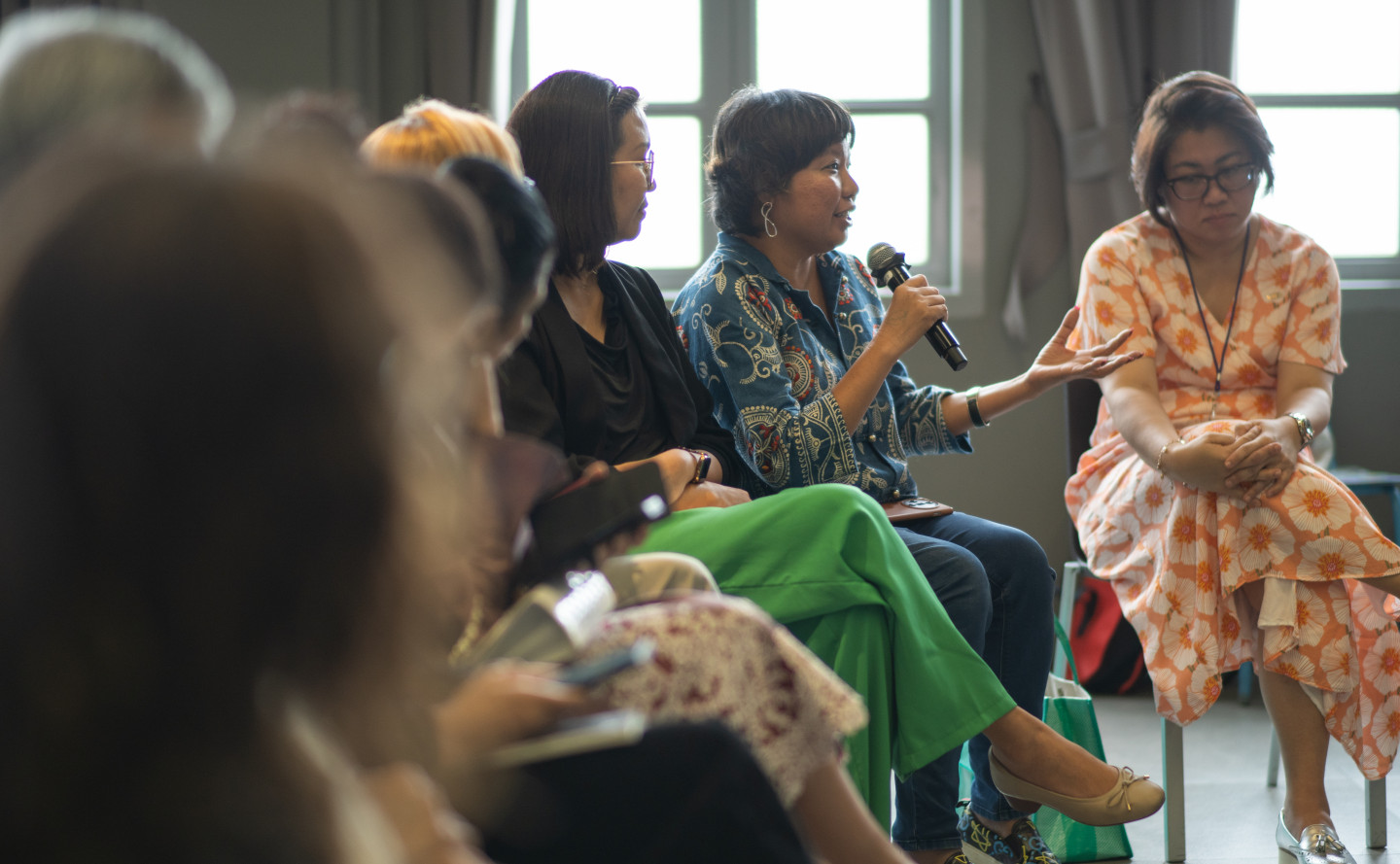
As a leading and diverse network of international cultural relations actors from Europe, we recognise our positionality in a global context and the importance of balancing local needs, contexts and realities in partner countries and our members’ needs and interests.

Cross-cutting definition of culture
EUNIC embodies a transversal understanding of culture, which includes long-standing experience in the arts, creative industries, multilingualism, cultural heritage, youth, gender, DEI, post-conflict resolution, human and cultural rights, sustainability , cultural tourism, digital culture, and development cooperation.
What we do as a network
Our strategic framework defines the vision, values, and objectives that guide EUNIC’s work, and reflects the diversity and evolving needs of our global network and our partners.
The core pillars of our activity as a network are:
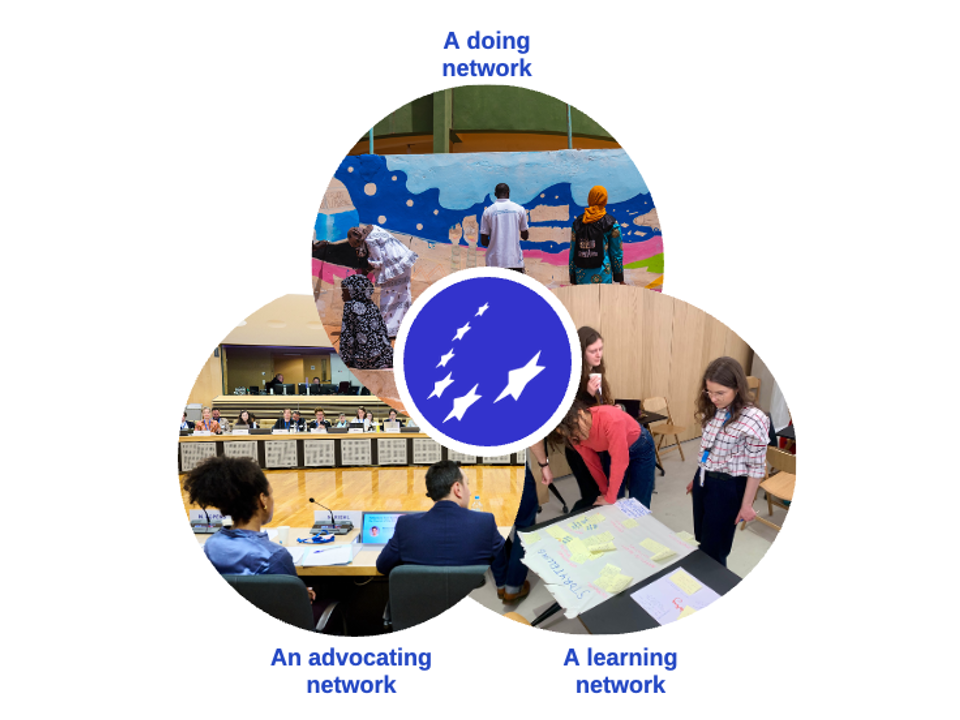
• EUNIC is a doing network: Day to day, around the globe, we create people-to-people collaborations through culture.
• EUNIC is an advocating network: We support the European Union to develop a prominent role as an international cultural relations actor.
• EUNIC is a learning network: Together, we create peer-to-peer capacity building opportunities and a platform for strategic reflections.
Over the years, EUNIC has become a key interlocutor and strategic partner of the EU. Today, EUNIC plays a proactive role in supporting the European Commission, the European Parliament, and EU Member States. We contribute our network’s extensive insights and connections to global civil society and cultural actors to policy reflections and development processes.
In 2016, the EU published the Joint Communication "Towards an EU Strategy for International Cultural Relations", identifying EUNIC as one of the implementing partners of the EU’s cultural relations approach. In 2017, EUNIC signed an Administrative Arrangement with the European Commission and the European External Action Service, solidifying this cooperation but also outlining joint principles, values and objectives for cooperation as well as practical arrangements for its implementation.
Across the globe, EUNIC clusters have entered formal and informal partnerships with EU Delegations for joint projects, long-term programmes and local strategic interventions.
In 2025, the European Commission introduced a new strategic framework for the EU’s cultural engagement - the Culture Compass for Europe - which includes a dedicated pillar on international cultural relations. This framework presents an opportunity to strengthen the visibility, leadership, and resourcing of the EU’s commitment in this field.
- 2025
- For the first time facilitated EUNIC presence at COP
- 2025
- Africa-Europe Spaces of Culture launched
- 2025
- Strategic Framework for 2025-2029 adopted
- 2024
- EUNIC Sustainability Toolkit published
- 2023
- European Spaces of Culture continues after Preparatory Action
- 2023
- EUNIC's Climate Culture(s) Creative Lab in Berlin
- 2022
- The Ukrainian Institute joins EUNIC as Associate Member
- 2022
- Ten-year anniversary of the EUNIC Cluster Fund
- 2022
- Fair Collaboration non-toolkit published
- 2021
- Joint Statement on Cultural Relations with EEAS approved
- 2021
- Network grows to be active in more than 100 countries
- 2021
- Conference "European Spaces of Culture: Taking EU cultural relations to the next level"
- 2021
- New membership policy approved, officially including Associate Members at the global level
- 2020
- Joint Statement "For the future: Make cultural relations count in a post-crisis global society" approved by all 36 EUNIC members
- 2020
- Strategic Framework 2020-2024 adopted
- 2019
- Joint Guidelines on the Partnership between EUNIC, the European Commission and the European External Action Service published
- 2018
- European ‘Houses’ of Culture Preparatory Action grant received
- 2017
- Creative Europe programme funding received for the period of 2017-2021
- 2017
- Administrative Arrangement signed, a partnership agreement between EUNIC, the European Commission and the European External Action Service
- 2016
- Network grows to 100 clusters worldwide
- 2015
- First Strategic Framework adopted
- 2014
- EUNIC brings together members from all EU Member States
- 2014
- Creative Europe programme funding received for the period of 2014-2016
- 2012
- EUNIC Cluster Fund created
- 2012
- EUNIC office in Brussels installed
- 2010
- Network grows to 50 clusters worldwide
- 2010
- Integration of ministries for Member States without cultural institutes
- 2006
- EUNIC network created by six EU cultural institutes: Austrian Ministry of Foreign Affairs, British Council, Danish Cultural Institute, Goethe-Institut, Institut français and SICA, the predecessor of DutchCulture