EUNIC General Assembly in Stuttgart
On 11 and 12 June 2026, ifa – Institute for Foreign Cultural Relations hosted and co-organised the EUNIC General Assembly at their headquarters in Stuttgart, Germany.
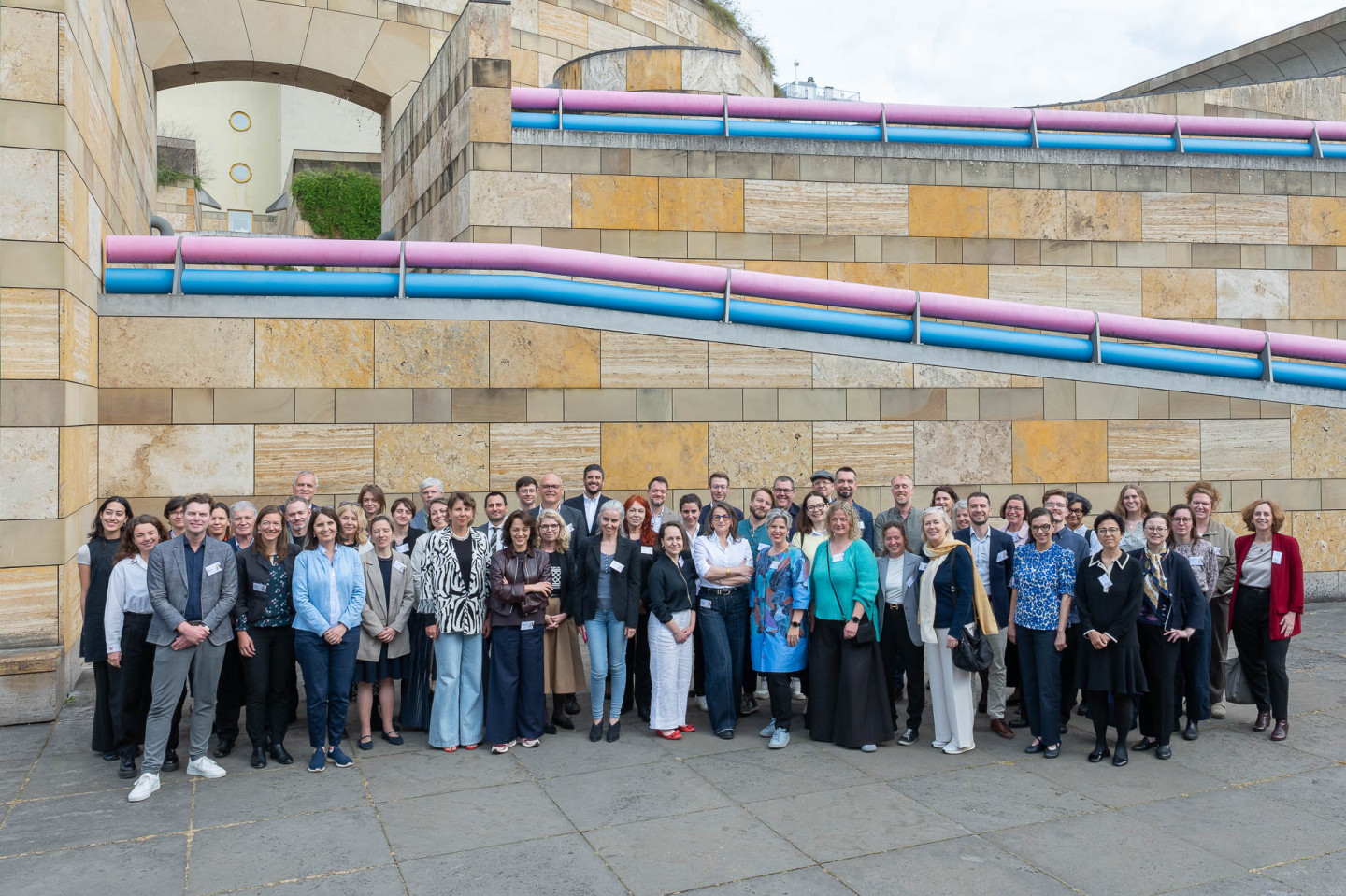
Over 40 colleagues from 29 EUNIC member organisations came together in Stuttgart for EUNIC's summer General Assembly, hosted by ifa – Institut für Auslandsbeziehungen (Institute for Foreign Cultural Relations).
General Assemblies are a key moment in the EUNIC calendar, bringing together our community of international cultural relations leaders to reflect, exchange and address the key questions shaping our shared work today.
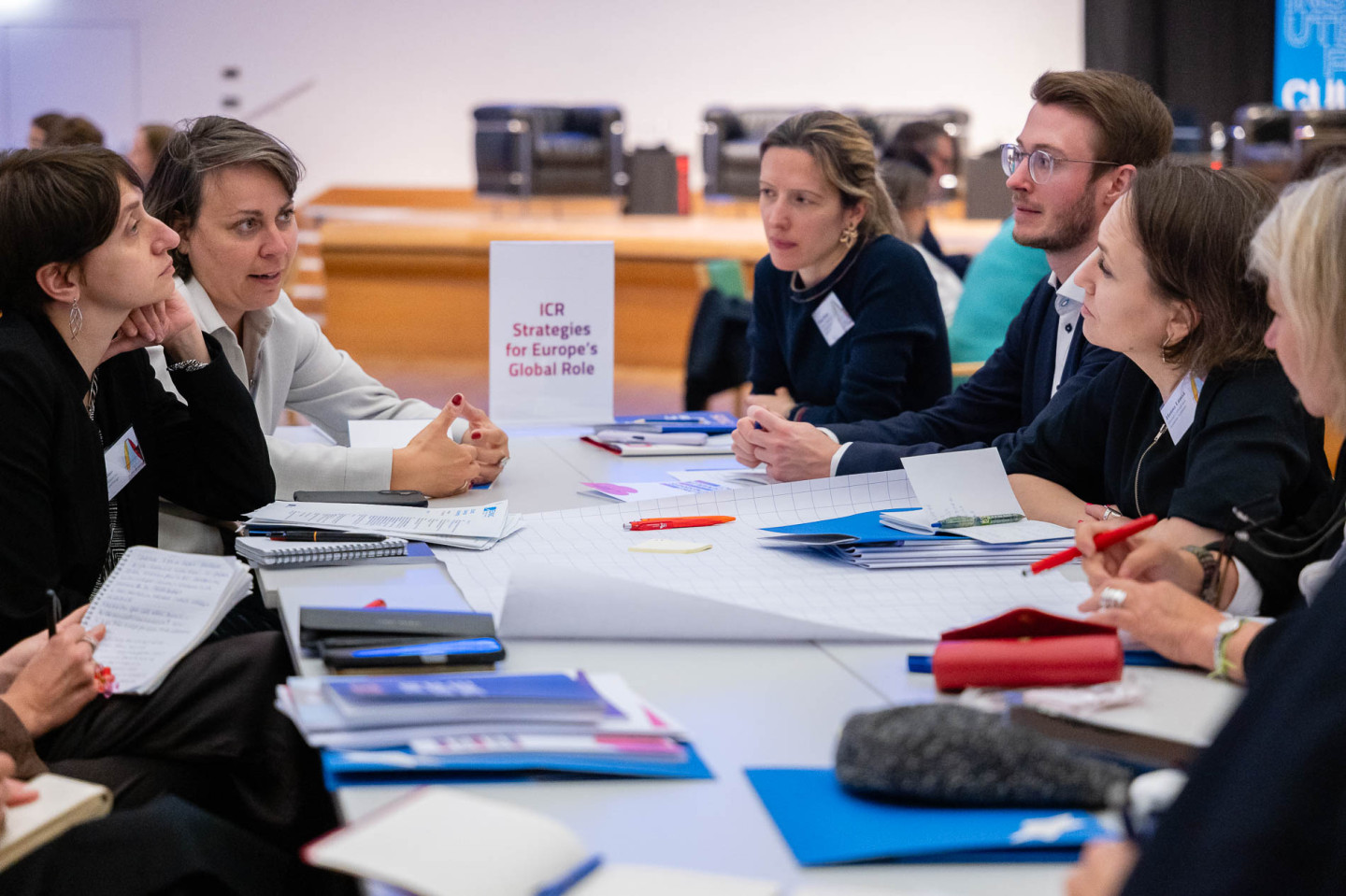
This year’s meeting provided the space for a deeper peer-to-peer reflection on supporting artistic freedom across borders, responding to rising polarisation and shrinking spaces for dialogue, strengthening fairer and more reciprocal international cultural relations, and reflecting on Europe’s cultural relations with the world in a rapidly changing global context.
Reflecting on the future of international cultural relations
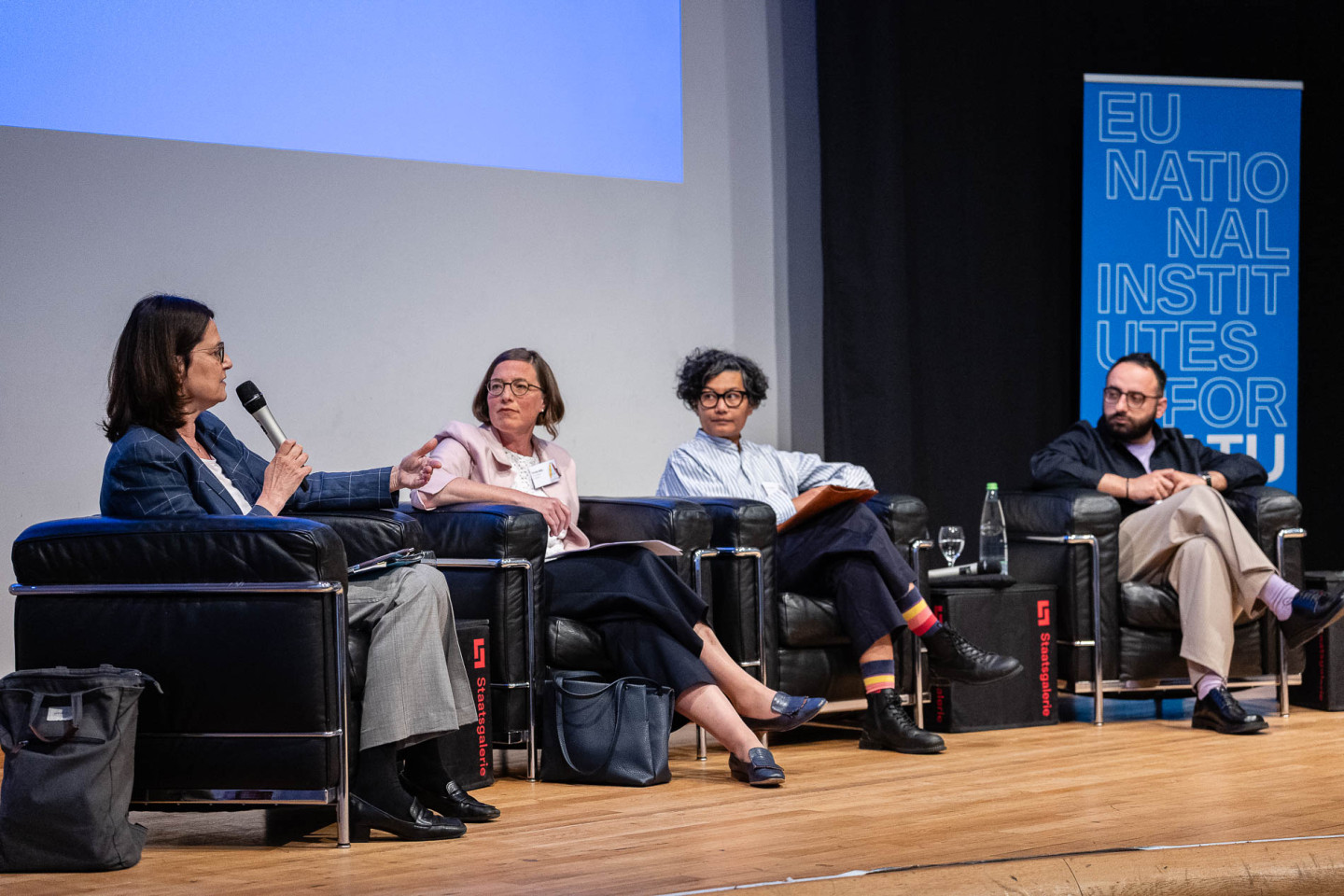
A dedicated panel discussion explored how international cultural relations are evolving and what this means for Europe today, particularly as ICR becomes one of the strategic pillars of the upcoming Culture Compass for Europe.
Now it is a vital time for clarity on thinking on our International cultural relations efforts as Europe, we need to be thinking geo-culturally as well as geo-politically and geo-economically.
Eugene Downes Cultural Director, Department of Foreign Affairs and Trade, Ireland
The panel brought together a range of perspectives that, much like the EUNIC membership, spanned the local and the international, as well as the independent and the governmental.
The panel discussion welcomed:
- Tigran Amiryan, Director, Cultural and Social Narratives Laboratory based in Armenia
- Christina Beinhoff, Head of the Department of Culture and Society, German Federal Foreign Office
- Ottilie Bälz, Senior Vice President Global Issues, Robert Bosch Foundation
- Tini Aliman, Singaporean artist and Fellow, Akademie Schloss Solitude
It’s difficult to share values through quick action, what’s needed is support for resilience and long-term cooperation... It's difficult to see the bigger picture but this is why we need to hear alternative voices on cultural rights issues and to support an independent cultural sector.
Tigran Amiryan Director, CSN Lab (Cultural and Social Narratives Laboratory)
Supporting artistic freedom and civil society through our collective work
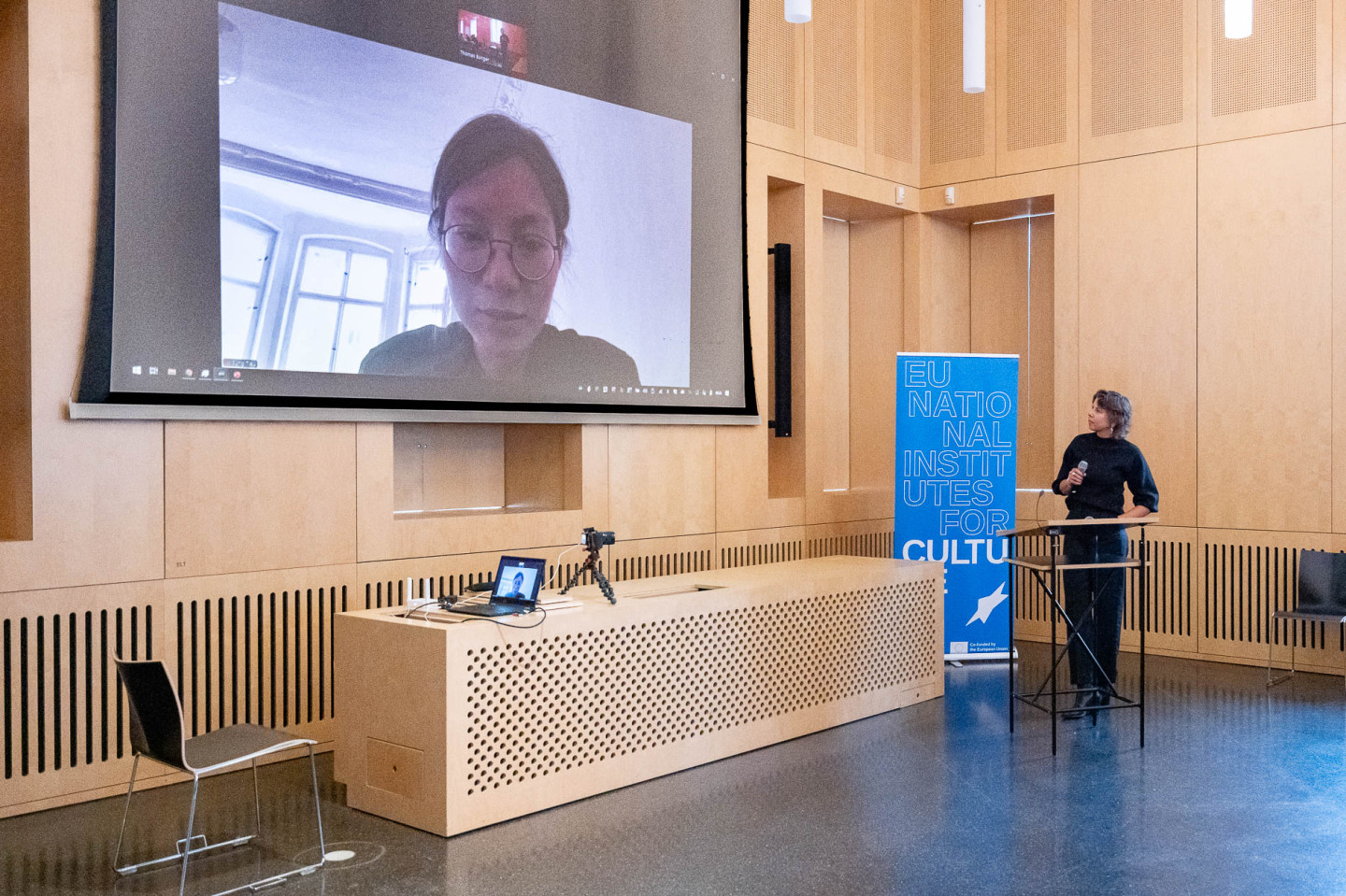
The General Assembly also heard from Sung Tieu, the artist representing the German Pavilion at the Venice Biennale 2026, as well as from various EUNIC colleagues who shared insights into how their organisations are working to support civil society and creative practices internationally.
EUNIC and Ukraine
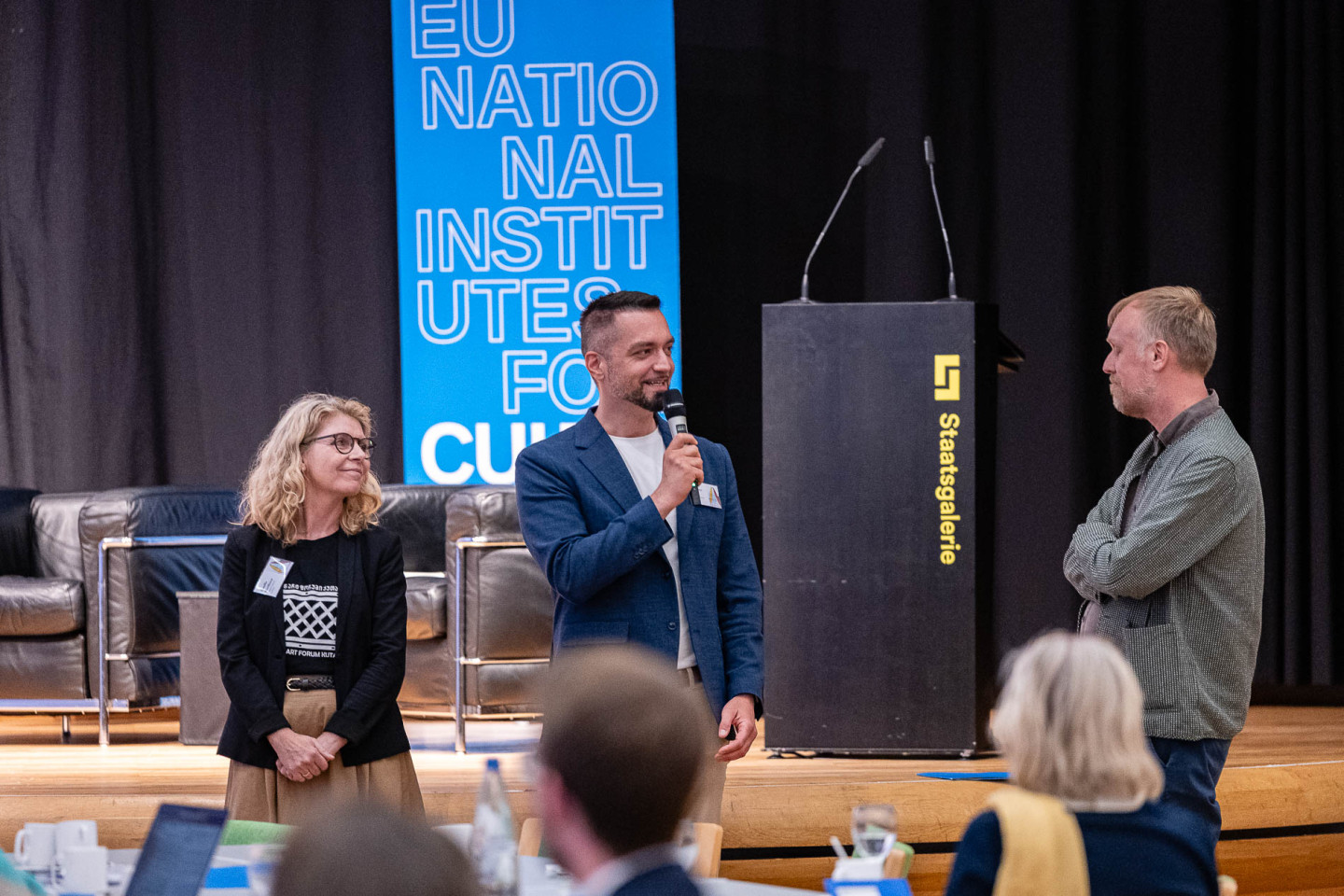
The General Assembly featured updates from Volodymyr Sheiko, Director General of the Ukrainian Institute, on the continued collaboration between EUNIC and the Ukrainian Institute and the evolution of the EUNIC Ukraine Fund.
The Fund has increasingly prioritised long-term cultural partnerships, research-informed collaboration and sustained engagement in new locations, and continues this year thanks to the support from EUNIC members.
Updates from the EUNIC office
The EUNIC team also shared updates on the upcoming Cluster Fund call for proposals, launching in July to support cluster projects in 2027, as well as the New European Spaces of Culture programme and a refreshed Mobility Scheme, both due to launch later this year.
Exploring Stuttgart's cultural landscape
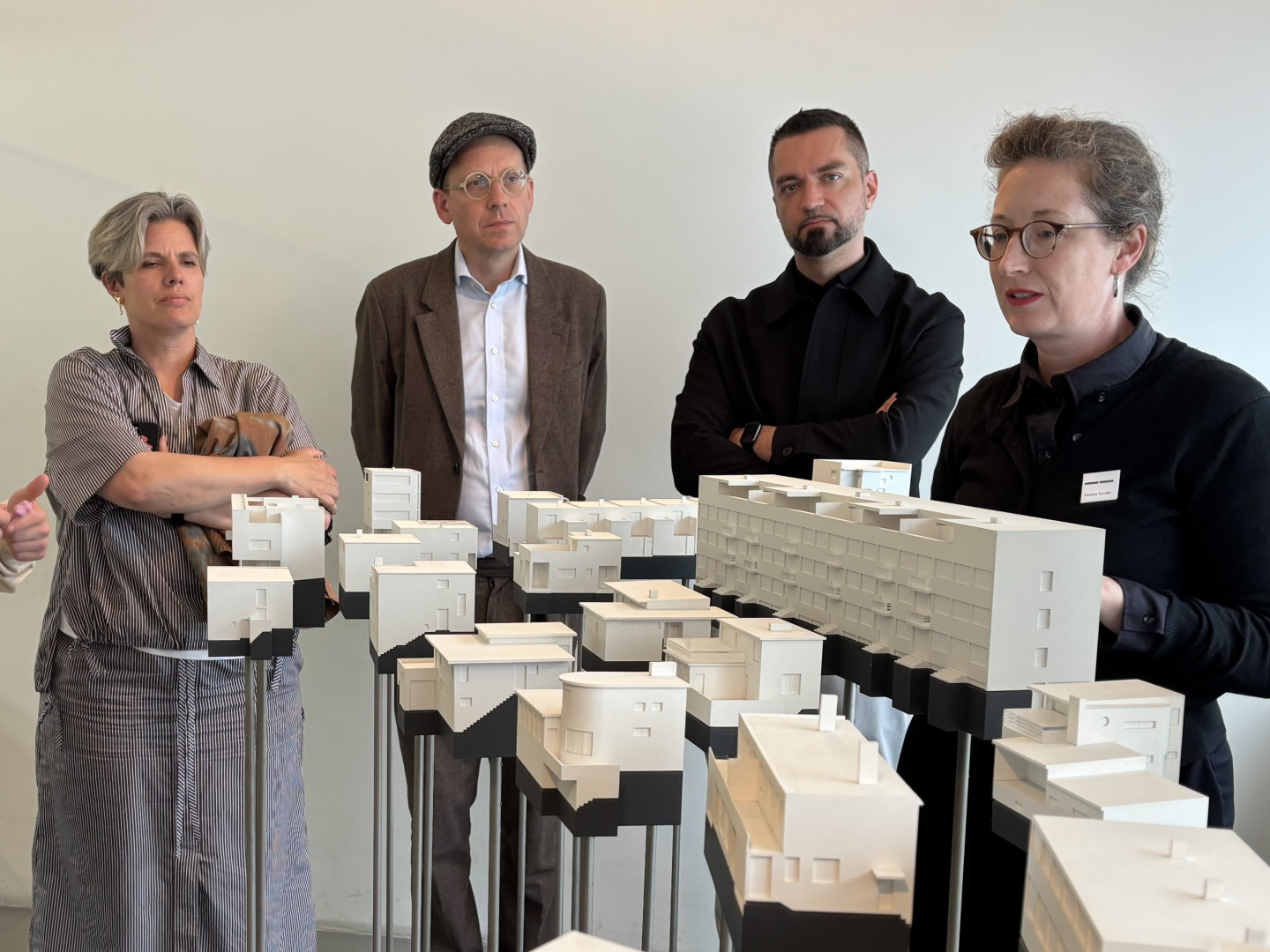
The programme closed with an opportunity to explore some of Stuttgart's cultural sites, with parallel visits taking place at the Weißenhof Museum Estate and to the Stuttgart State Theatres.
Two days of priceless exchange with Europe’s cultural leaders on turbulence but also the solutions that only arts and culture can provide.
Jane Klementieva Holm Danish Cultural Institute, Strategic Advisor
Thanks, best wishes and celebration
A heartfelt thank you to the ifa team for hosting and co-organising such a thoughtful and energising General Assembly.
The network also warmly congratulated EUNIC President Gitte Zschoch on her appointment as the next Secretary General of the Goethe-Institut. Gitte will continue to serve as EUNIC President until the end of her mandate at the end of 2026.
On behalf of the entire network, sincere thanks and best wishes were extended to Johannes Ebert, current Secretary General of the Goethe-Institut, in recognition of his exceptional contribution to both the EUNIC network and the wider field of international cultural relations.
The next General Assembly will take place in Brussels on 14-15 December 2026.
Photos from the Stuttgart GA can be found here.