EU signs first-ever Joint Declaration on culture: What it means for international cultural relations
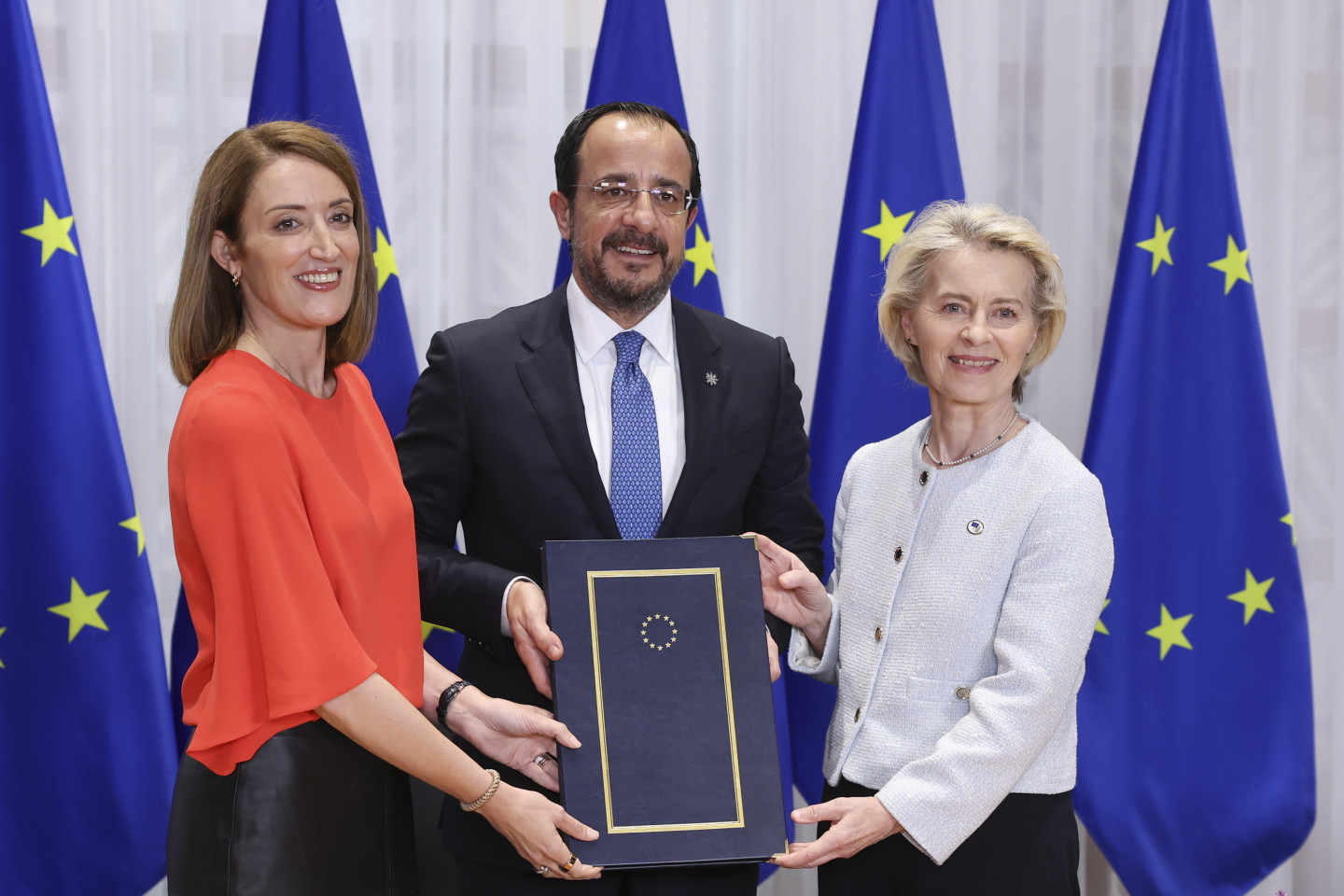
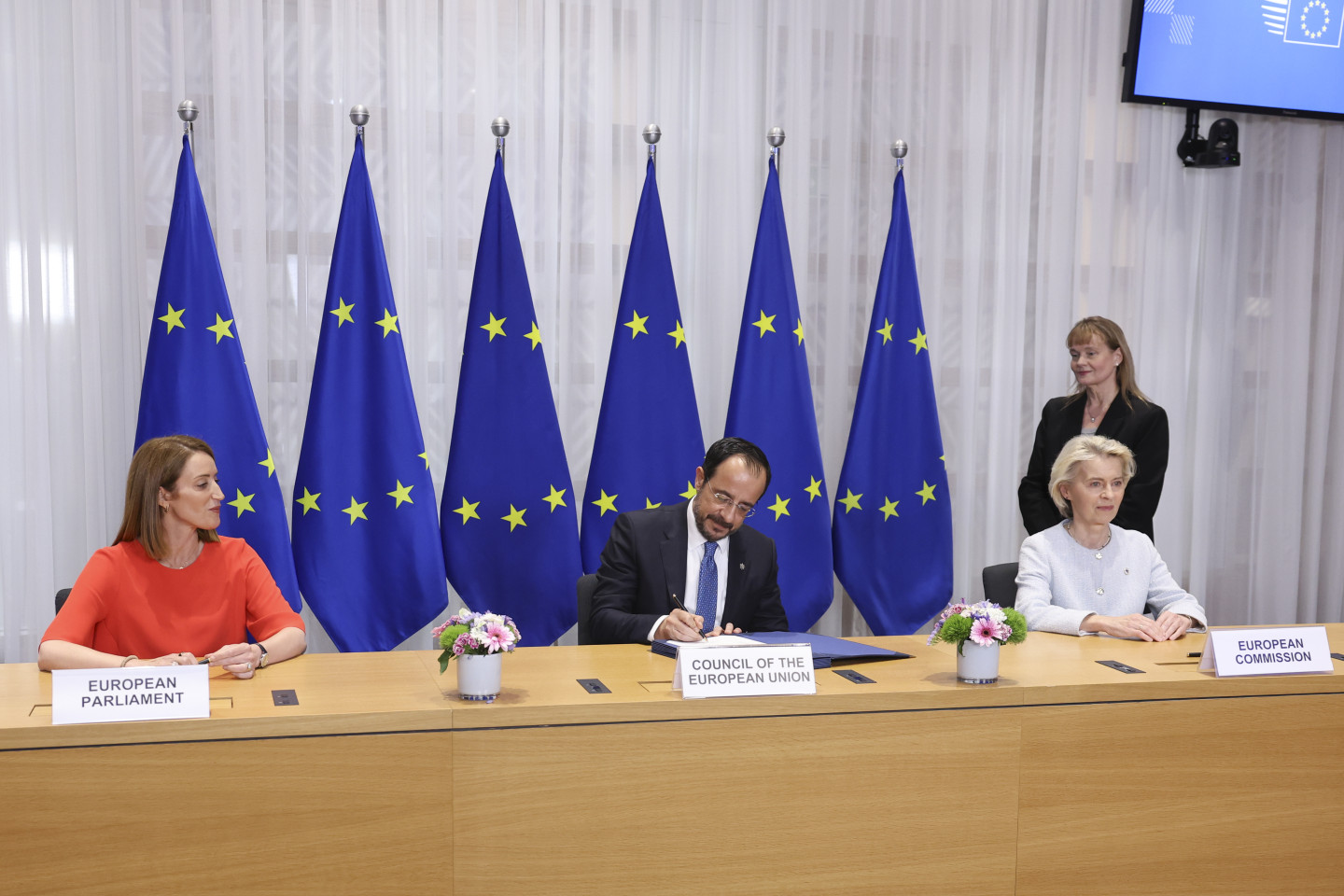
The European Commission, the European Parliament and the Council of the European Union have signed a shared political declaration recognising culture as a strategic priority for the future of Europe.
The Joint Declaration, Europe for Culture – Culture for Europe, is the first time in EU history that the three European institutions have formally adopted a shared political commitment to protecting, promoting and supporting culture in Europe.
The declaration recognises culture not only as a platform for public dialogue and social cohesion, but also as “an important vector for the EU’s external action,” reflecting culture's vital role in international relations.
The EU can leverage its cultural assets to build resilience, promote peace and democracy, and inspire innovative solutions that contribute to sustainable development.
Europe for Culture - Culture for Europe Joint Declaration
The Joint Declaration is the first deliverable of the Culture Compass for Europe, which was launched by Commissioner Glenn Micallef last year and acts as an anchor for culture within the next EU long-term budget for 2028-2034.
Most recent developments:
• November 2025: The European Commission presented a draft Joint Declaration alongside the Culture Compass for Europe.
• January–February 2026: The Council's Cultural Affairs Committee (CAC) examined the proposal.
• April–May 2026: The three institutions reviewed the technical details.
• June 2026: EU Commissioner Glenn Micallef, European Parliament CULT Committee Chair Nela Riehl and representatives of the Cypriot EU Council Presidency reached a preliminary agreement.
• June 2026: The European Parliament debated the Declaration.
• 18 June 2026: The Joint Declaration was formally signed by the European Commission, the European Parliament and the Council of the EU.
Working closely with our members, the European Parliament and the European Commission, EUNIC has proactively advocated for international cultural relations throughout this process.
Ten years ago, in 2016, there was not yet a formal EU strategy on international cultural relations, only the Joint Communication Towards an EU Strategy for International Cultural Relations.
EUNIC, therefore, welcomes and supports the fact that one of the four key directions of the Culture Compass for Europe is 'An EU that champions international cultural relations (ICR) and partnerships'.
Beyond the Joint Declaration
While the Culture Compass for Europe was a communication from the European Commission, this Joint Declaration takes the potential of the Culture Compass further, officially affirming the necessary political commitment and guiding principles across the EU institutions. This creates the momentum and engagement to support the ambitious operationalisation of the Culture Compass.
What is being built today will help shape the architecture of Europe's cultural relations for the next decade.
Eugene Downes, EUNIC Board Member and Cultural Director at the Irish Department of Foreign Affairs and Trade.
Ireland - preparing to take on the Presidency of the Council of the EU in July 2026 - confirms its commitment to bringing on-the-ground experiences of international cultural relations (ICR) and perspectives from EUNIC members into discussions at EU Council level.
A new Work Plan for Culture (2027–2030) is currently being developed in alignment with the Culture Compass and is expected to cover the next eight Council Presidencies. A first draft is due to be shared with the Cultural Affairs Committee (CAC).
What is needed now
What is needed now is to create meaningful, impactful and appropriate contact points between cultural policy and foreign policy, to further develop strong existing programmes, and to build new ambitious instruments, dedicated to international cultural relations beyond the EU's borders.
This reinforced cooperation can be supported through refreshed formats such as Senior Officials Meetings (SOMs), which unite perspectives and shared visions between Ministries of Culture and Foreign Affairs, and have the potential to better connect to the inter-service commitments on ICR between DG EAC of the European Commission and external relations actors such as the EEAS, DG INTPA, DG ENEST and DG MENA.
The Joint Declaration is an important milestone. Its success, however, will ultimately depend on whether its ambitions are translated into concrete policies, sustained resourcing, and a more long-term embedding of international cultural relations within the EU’s external action.