Executive decisions are taken by the EUNIC Board of Directors.
Board members are elected for a period of two years by EUNIC full members, with the possibility of re-election for another two years.
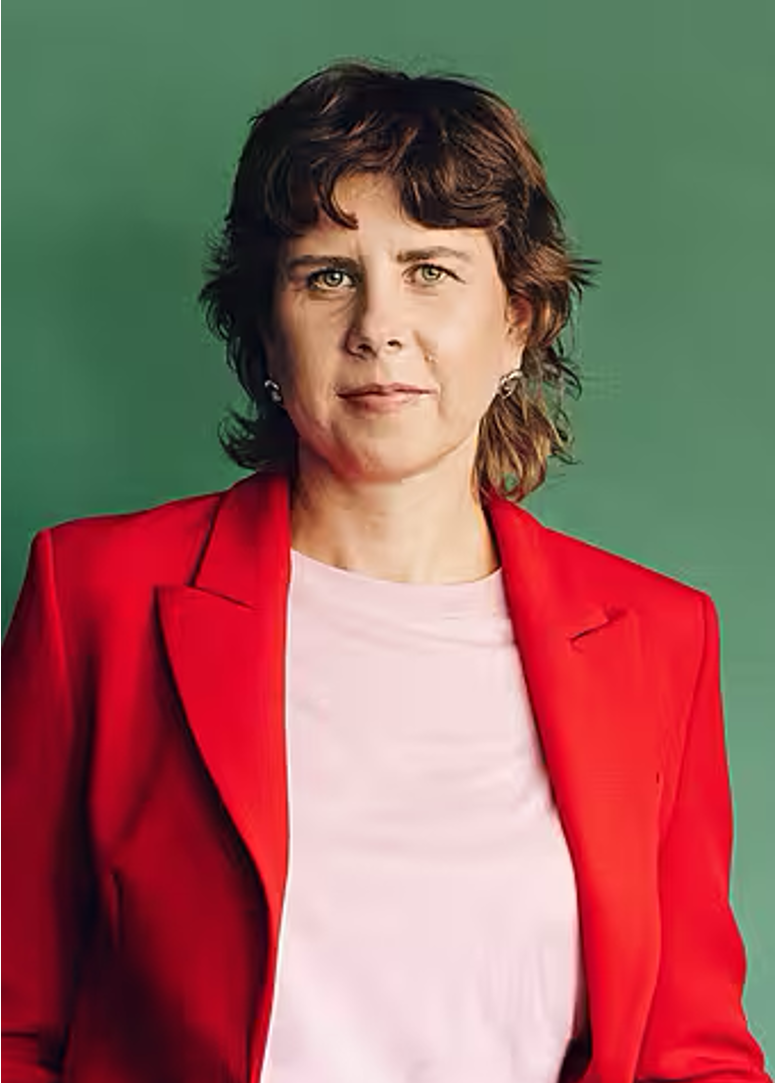
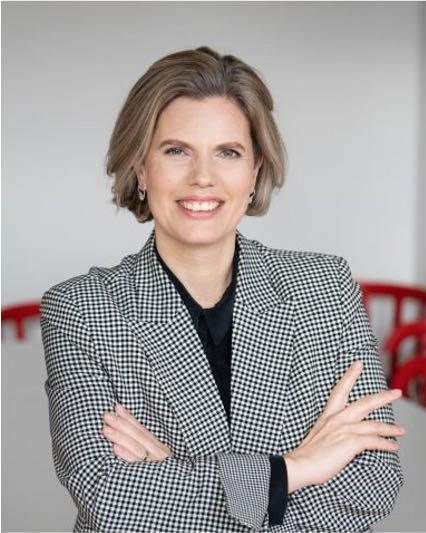
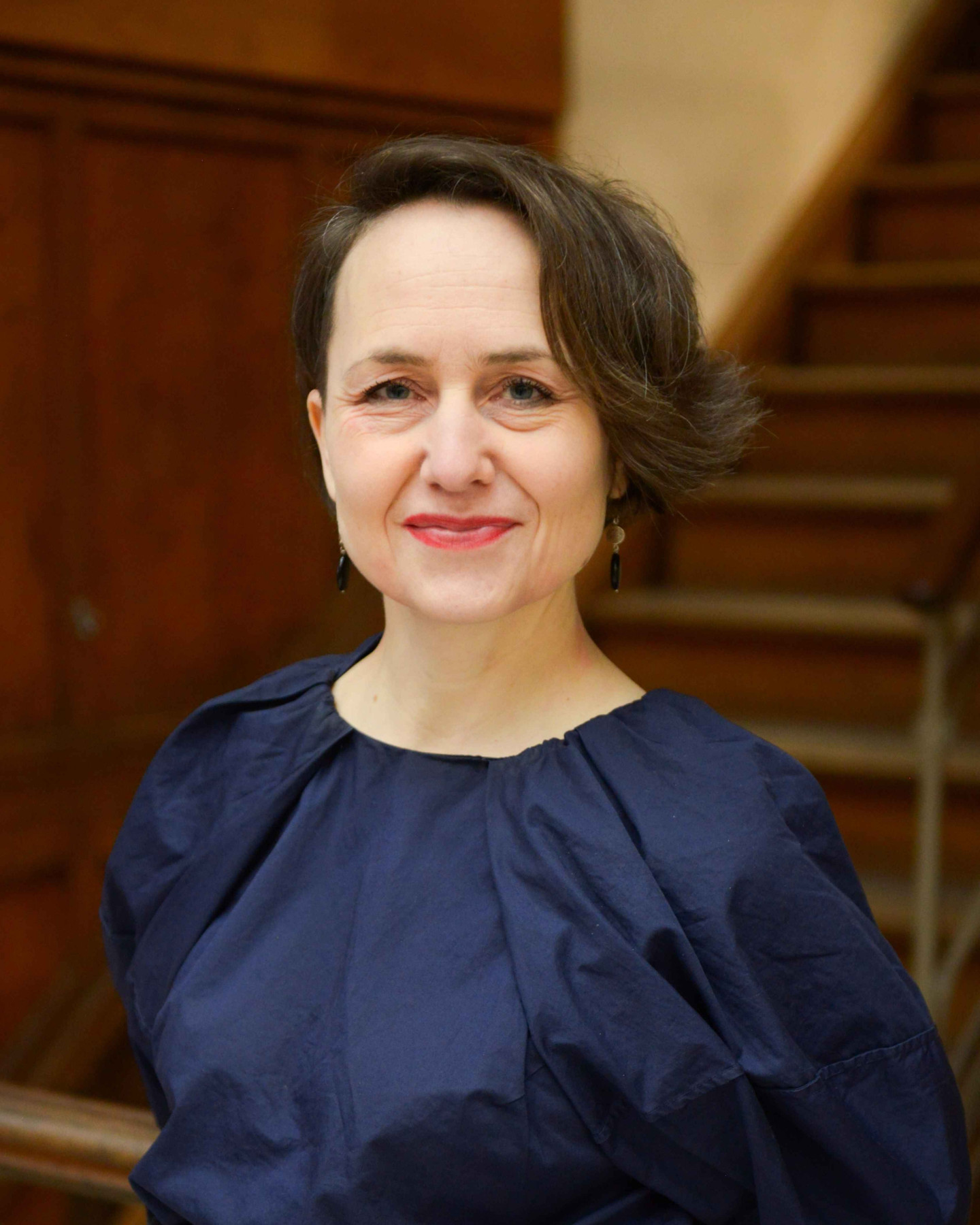
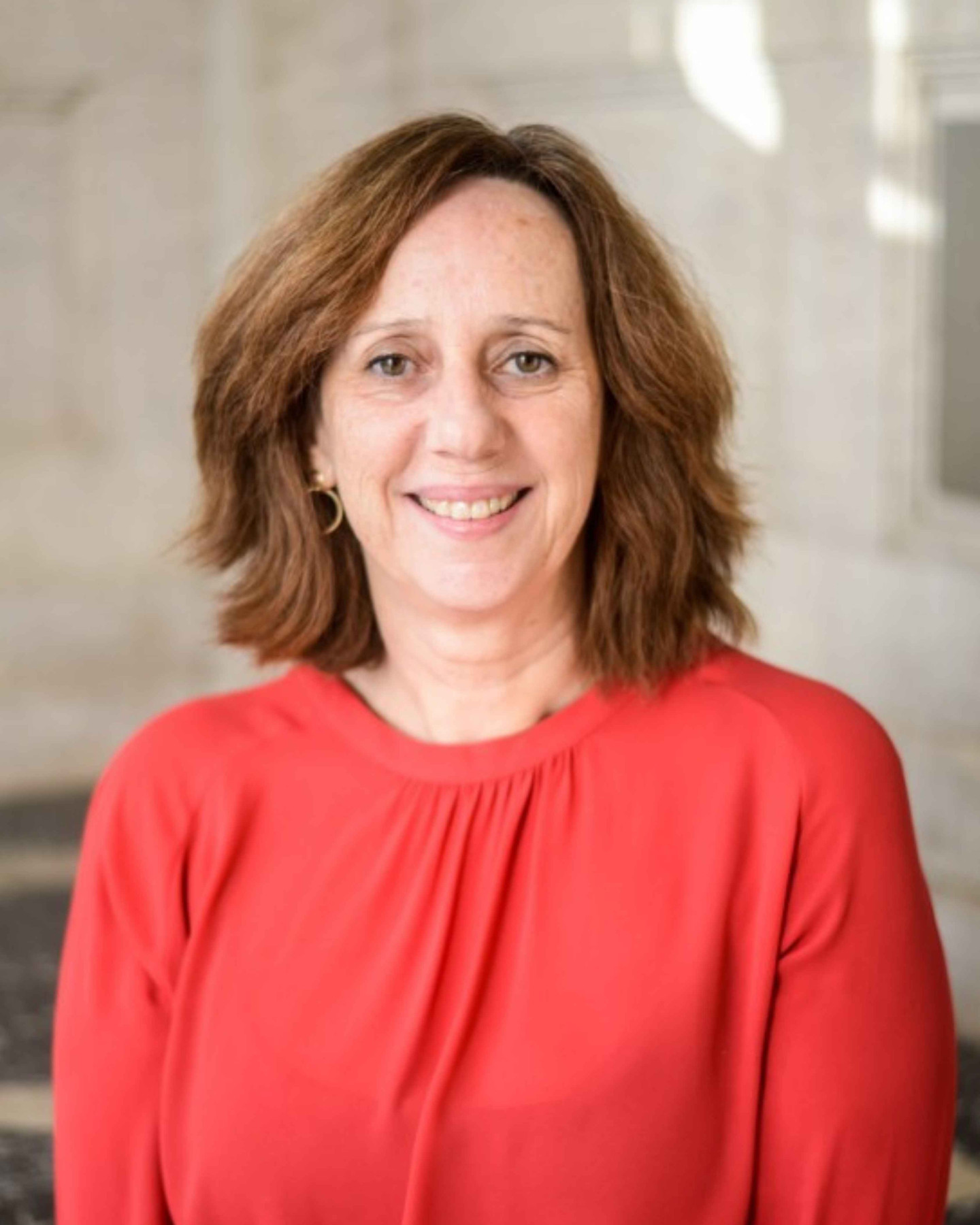
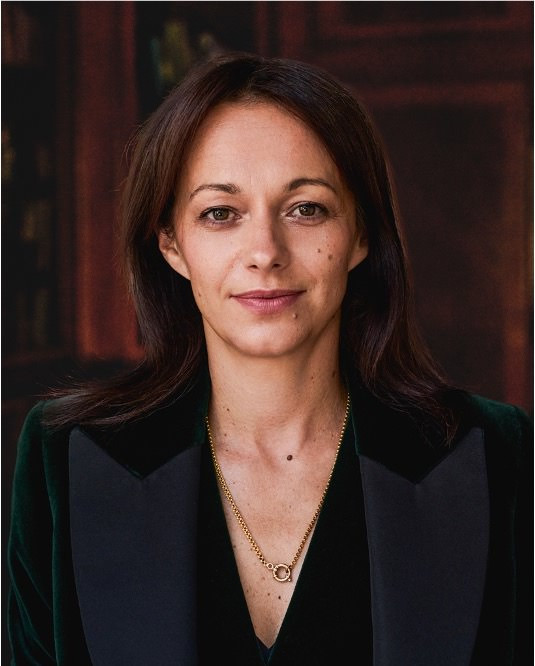
The EUNIC president represents the entire network, chairs the board of directors and the general assemblies, and serves a period of one year.
Gitte Zschoch, Secretary General of Goethe Institut is the current president of EUNIC.
Gitte Zschoch served as the Secretary General of ifa – Institut für Auslandsbeziehungen (Institute for Foreign Cultural Relations) from 2021 to 2026, and as EUNIC Director from 2018 to 2021.
She previously worked for Goethe-Institut in Seoul, Tokyo and Johannesburg in a number of different roles, and as deputy head of communication at Goethe's Munich headquarters.
Gitte Zschoch studied Comparative Literature at the Ludwig-Maximilians-Universität in Munich and Modern Korean Literature at Seoul National University in Seoul, South Korea. She chairs the advisory board of the Akademie Schloss Solitude Stuttgart and is an expert member of the Committee for Culture and Media of the City of Stuttgart’s municipal council.
She has been a member of the EUNIC board of directors since June 2025 and has been president of the network since December 2025. She will hold this office until December 2026.
The selection and term of the EUNIC director is the responsibility of the board of directors, following an open call, both within the network and externally.
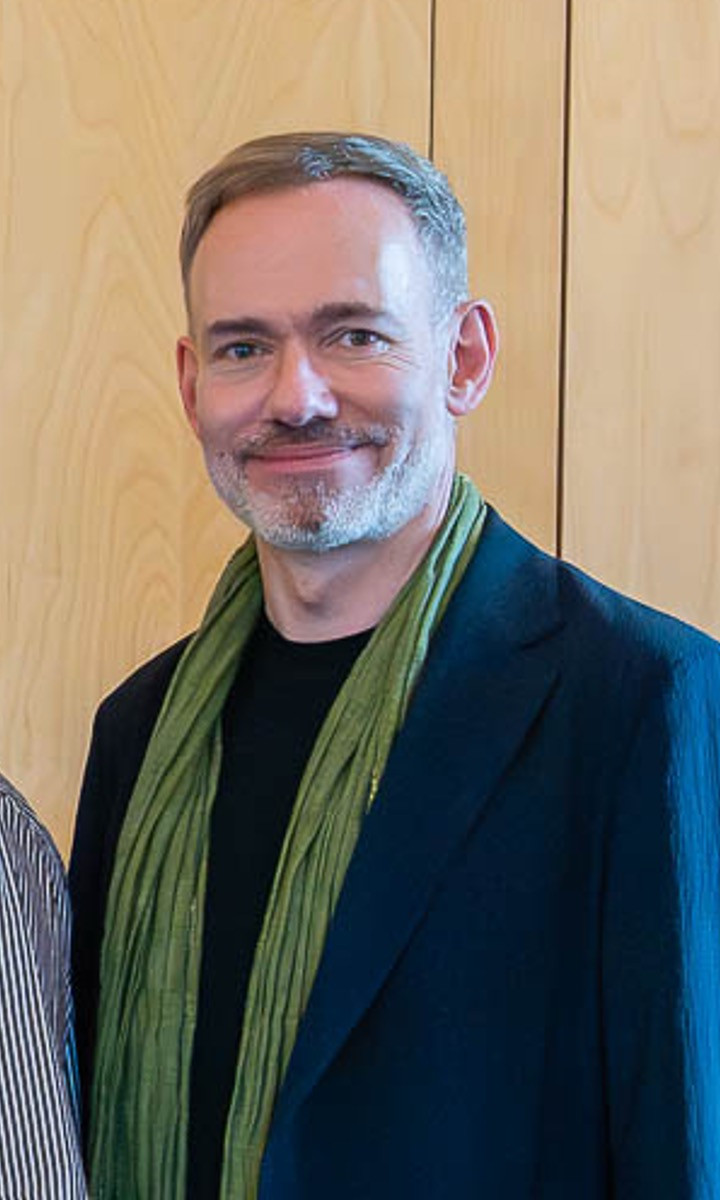
Andrew Manning was appointed EUNIC Director by the Board in 2021 and reappointed for a second term in 2026.
Andrew heads the EUNIC team in Brussels and is responsible for the overall management of the network and its programmes. His work covers the delivery of EUNIC’s strategy, external relations and advocacy, coordination with members and the board, and oversight of the budget and team.
Prior to joining EUNIC, Andrew was Secretary General of the European Concert Hall Organisation (ECHO) and International Advisor for the Nordic region at BOZAR – the Centre for Fine Arts Brussels. He has has previously worked as Head of Arts at the British Council in France and held roles with BBC Arts and the Europe Team of the British Council Brussels.
Andrew has a degree in modern languages from the University of Oxford and was previously a member of the Governance Committee of the International Society for the Performing Arts.
Committed to higher education and training, Andrew has given various workshops and sessions for universities, ministires and diplomatic academies across Europe.
Former EUNIC directors:
Gitte Zschoch, Goethe-Institut, 2018-2021
Andrew Murray, British Council, 2015-2018
Helena Kovarikova, Czech Centres, 2012-2015
General Assemblies take place twice a year and give strategic direction to our network.
They are composed of all EUNIC members, chaired by the EUNIC President, and are our association’s highest governing body.
General Assemblies approve new full and associate members, elect the board of directors, accept new clusters, and approve EUNIC’s activity plan and budget.
The general Assembly is responsible for amending the articles of the association and dissolving the association.
Our Strategic Framework sets out the vision, values, and objectives that guide our network between 2025–2029.
The framework was shaped by extensive dialogue with EUNIC members at various levels - from local branches in clusters to the Board of Directors and members’ headquarters - ensuring it reflects the diversity and evolving needs of our global network and our partners.
The Strategic Framework is a living document, subject to regular review by the board of directors in light of the constantly shifting geopolitical landscape.
EUNIC is funded by proportional annual membership fees from all members.
Since 2014, EUNIC has been one of the European networks supported by the EU’s Creative Europe programme. The grant allows us to deliver our capacity building, knowledge sharing and advocacy priorities. The funding has been renewed through open calls in 2017, 2021 and 2025.
EUNIC cluster activities are financed by contributions from members’ local branches and partners, and in some cases through the EUNIC Cluster Fund, which is made possible by voluntary contributions from EUNIC members at headquarters level.
European Spaces of Culture was co-funded by the Directorate-General Education, Youth, Sports and Culture (DG EAC) of the European Commission as a Preparatory Action from 2019-2023 and was continued with a Creative Europe grant for 2024-2025.
The Spaces of Culture programme in Sub-Saharan Africa is made possible as EUNIC is an implementing partner of the Africa-Europe Partnerships for Culture programme, funded by the European Commission’s Directorate-General for International Partnerships (DG INTPA).
EUNIC is registered as an international non-profit association (AISBL) in Brussels and operates under Belgian law.
EUNIC’s current governance and organisational structure are reflected in the revised Statutes that have been approved by the Belgian Royal Decree.
EUNIC Statutes in the French original and English translation