EUNIC General Assembly in Brussels
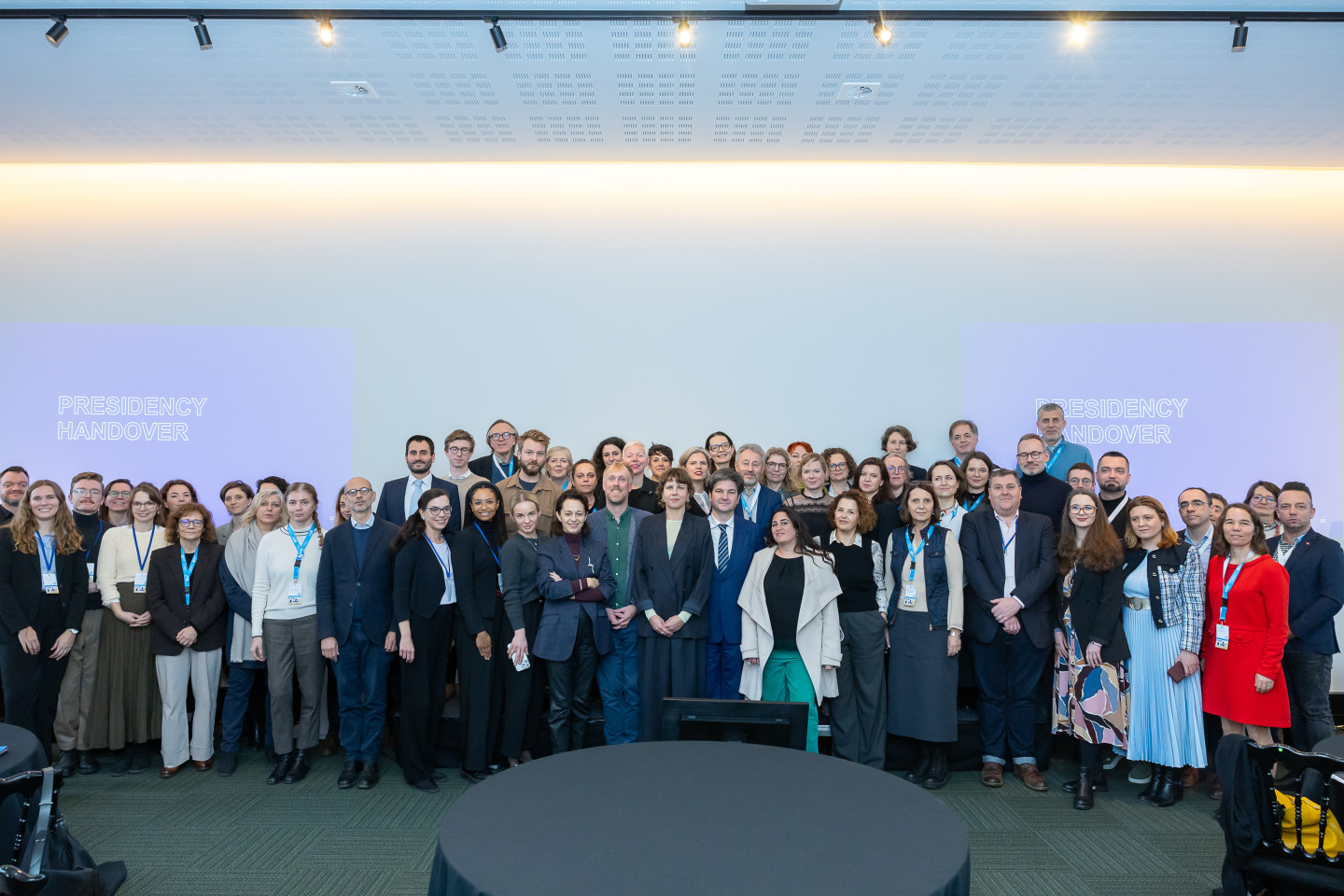
The biannual EUNIC General Assembly took place in Brussels on 9-10 December 2025, bringing together senior leaders of EUNIC member organisations for two days of dialogue, exchange and strategic reflection.
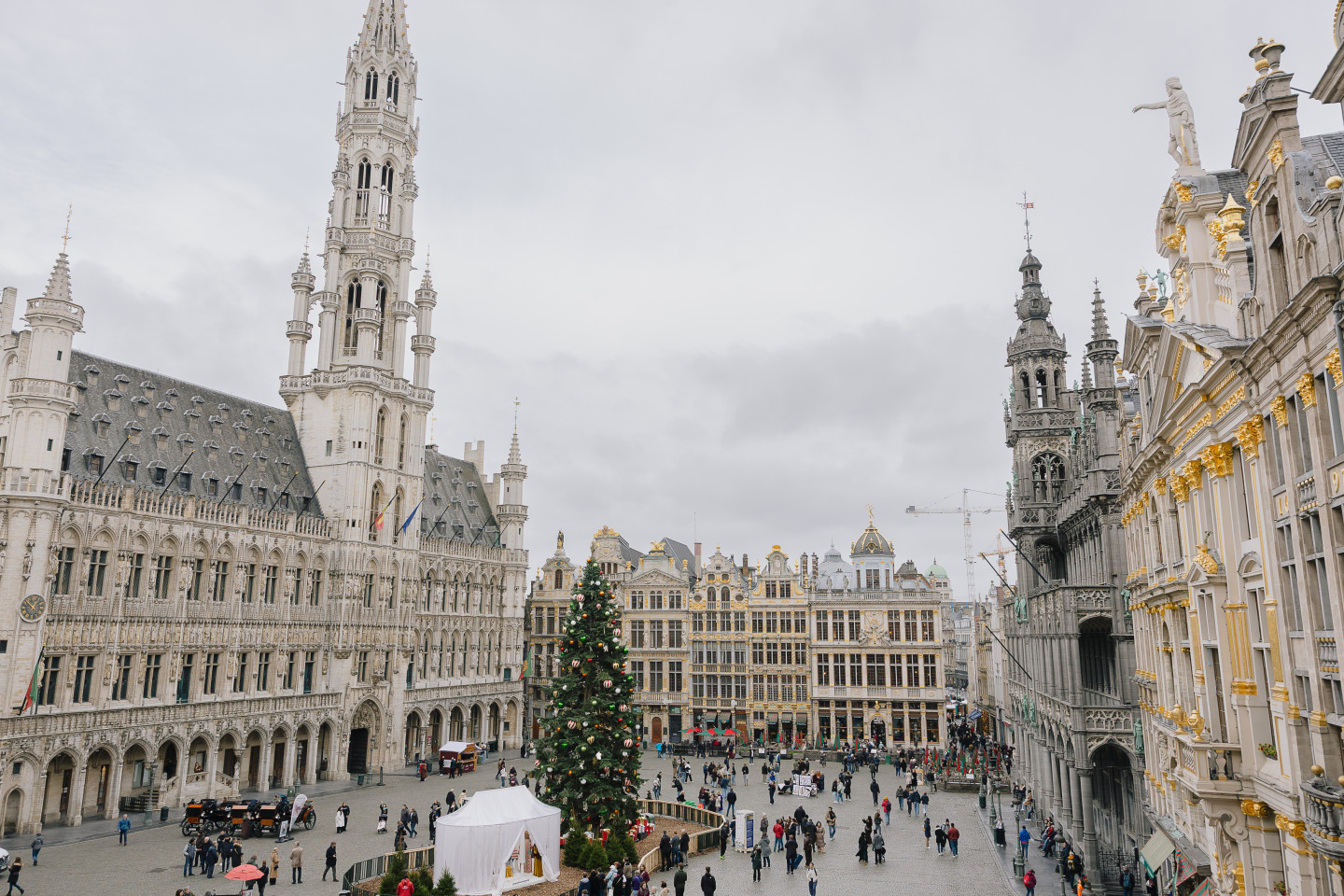
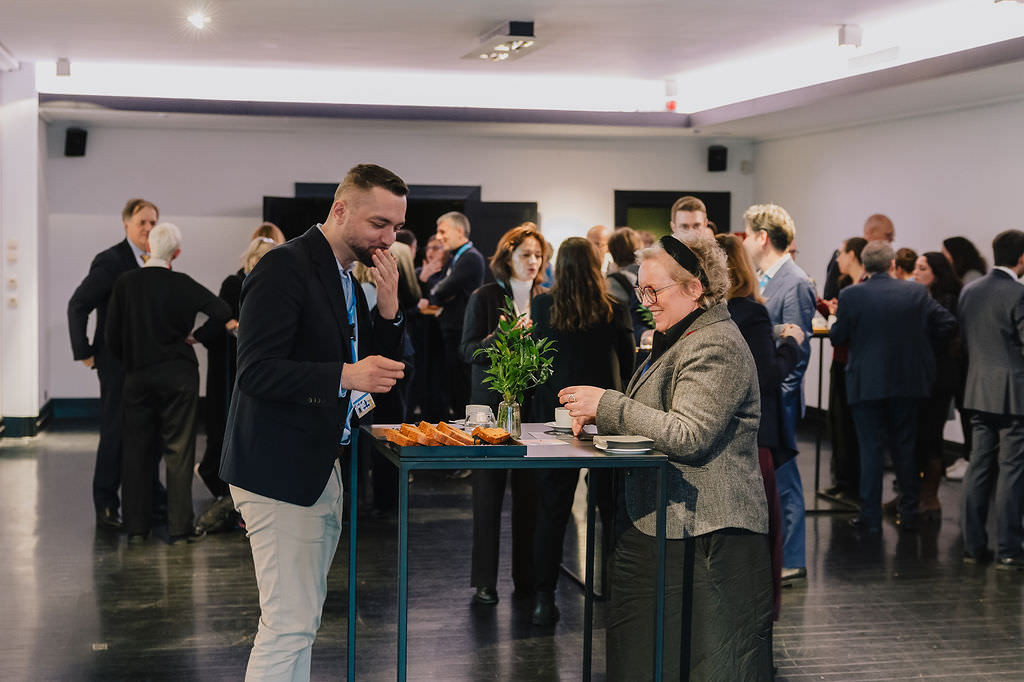
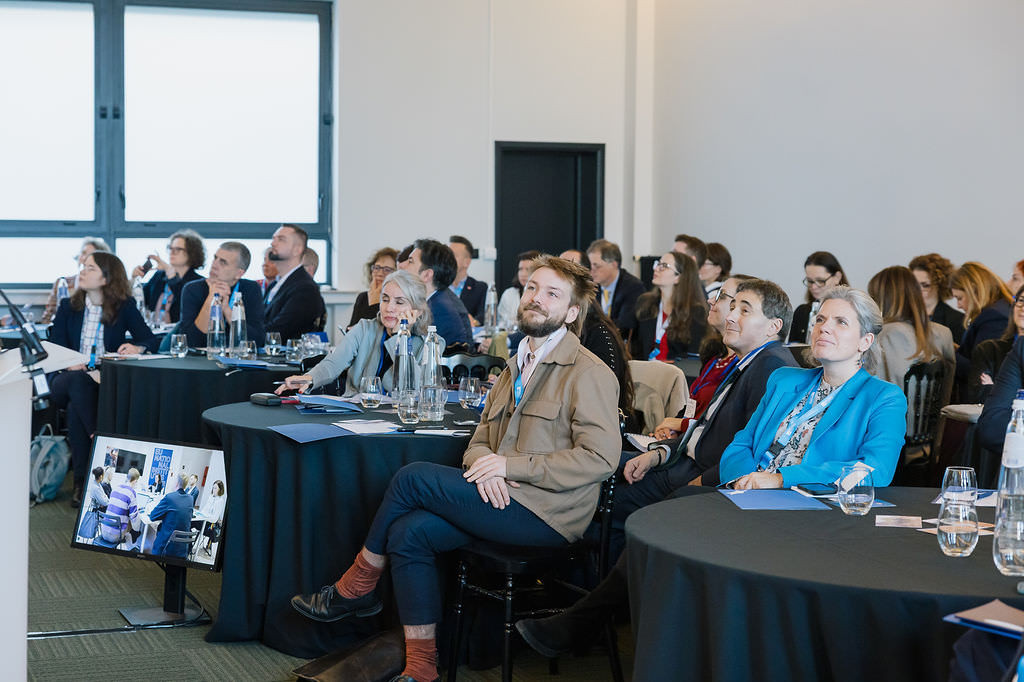
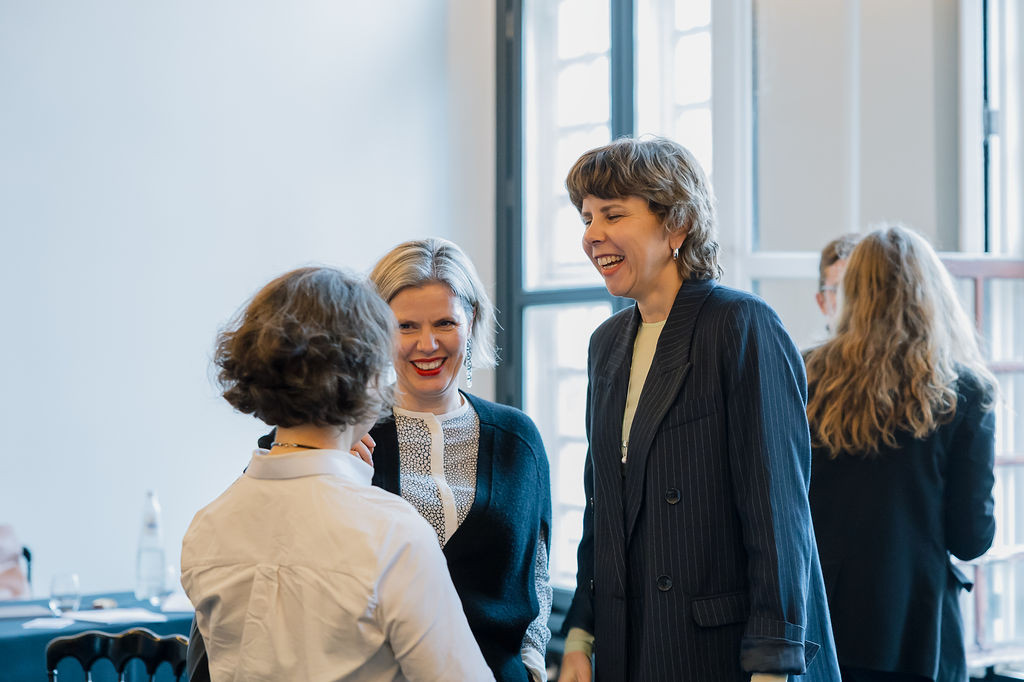
Held in the heart of Brussels at the iconic Grand Place, this winter General Assembly convened EUNIC members for in-person discussions, offering an opportunity to reconnect, welcome new colleagues and collectively reflect on the network’s direction. The programme combined strategic conversations with programme updates, the handover of the presidency and the election of new board members.
During the General Assembly, Julija Reklaitė of the Lithuanian Culture Institute was elected as Vice President of the Board of Directors, and Olga Wysocka of the Adam Mickiewicz Institute was elected as a new ordinary Board member. The Assembly also marked the closing of Kirsten van den Hul’s term as EUNIC President, and the handover to Gitte Zschoch, Secretary General of ifa - Institut für Auslandsbeziehungen.
EUNIC is much more than a network. It is a community - a community of practice and a community of hope. In these turbulent times, meeting with the network feels like coming home.
Kirsten van den Hul DutchCulture
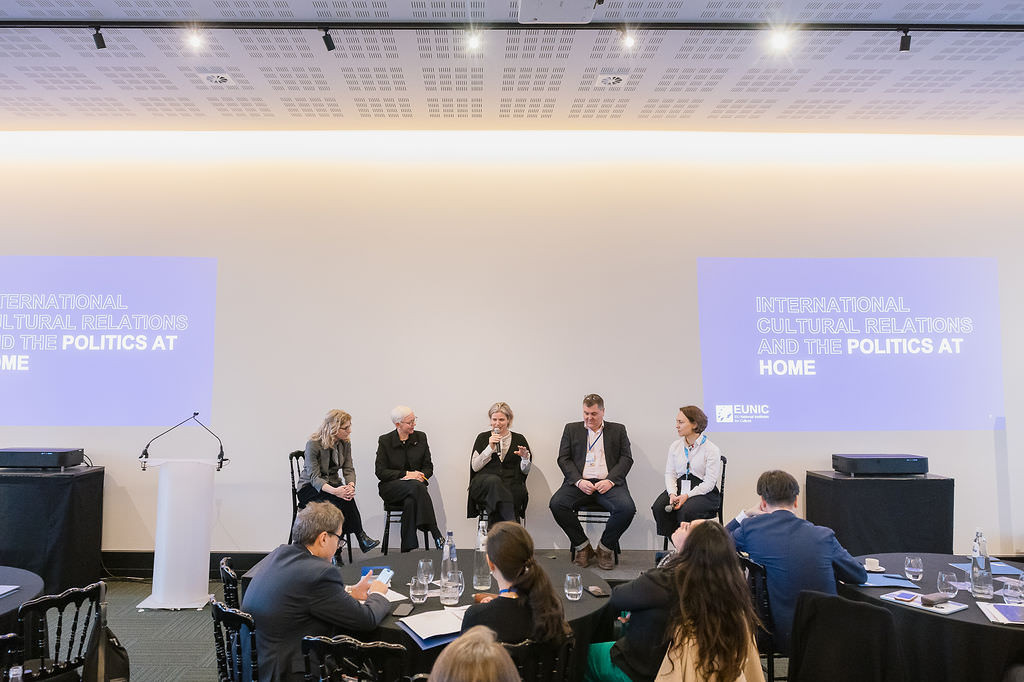
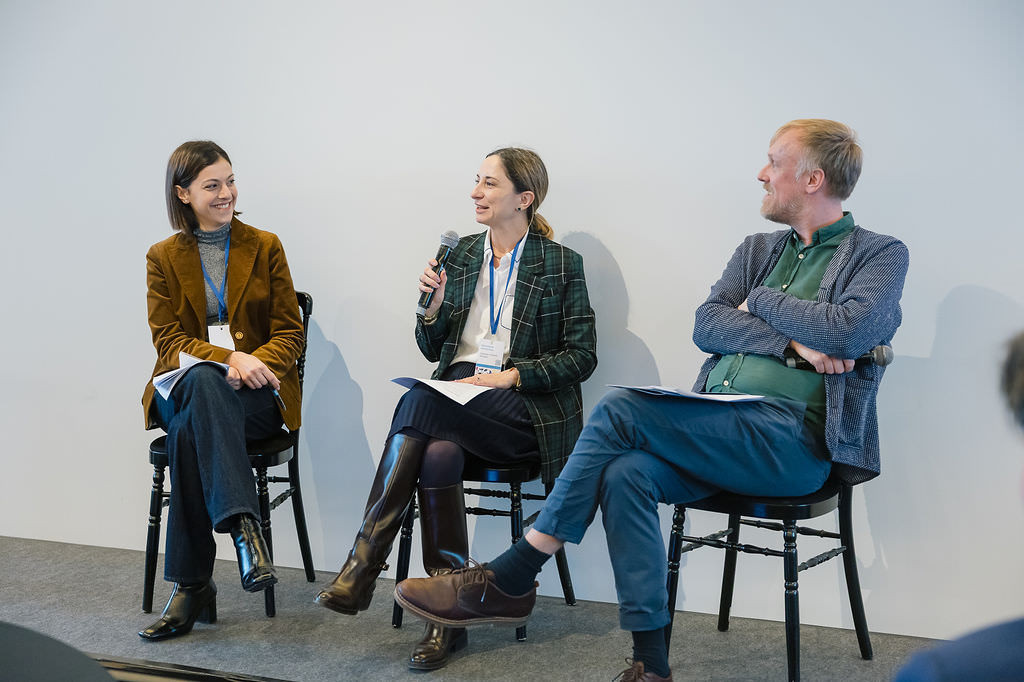
As outgoing President, Kirsten van den Hul co-led much of the programme including a session exploring the impact of domestic political developments on the work of cultural relations institutes, with a focus on organisational resilience in a rapidly changing global context - an increasingly pressing reality for many members.
Amid fast-evolving geopolitical shifts, both within Europe and globally - and at a time when major decisions are being taken at EU level regarding future priorities and financing - this General Assembly provided the space for high-level peer-to-peer reflection.
These discussions reaffirmed EUNIC’s role as a "doing, learning and advocating network, as articulated in the EUNIC Strategic Framework.
International cultural relations at EU level
Representatives from European Commissioner Glenn Micallef’s cabinet, Stephanie Bonnici and Desislava Dimitrova, presented the recently unveiled Culture Compass for Europe.
International cultural relations is one of the Compass’s four strategic directions, with flagship actions including the renewal of the 2016 Joint Communication on international cultural relations, a new EU4Culture programme for the Eastern Neighbourhood, a new Euro-Mediterranean initiative and a strengthened Team Europe approach.
Culture is no longer an accessory but a strategic asset leading to peace, stability and security.
Desislava Dimitrova Member of European Commissioner Glenn Micallef's cabinet
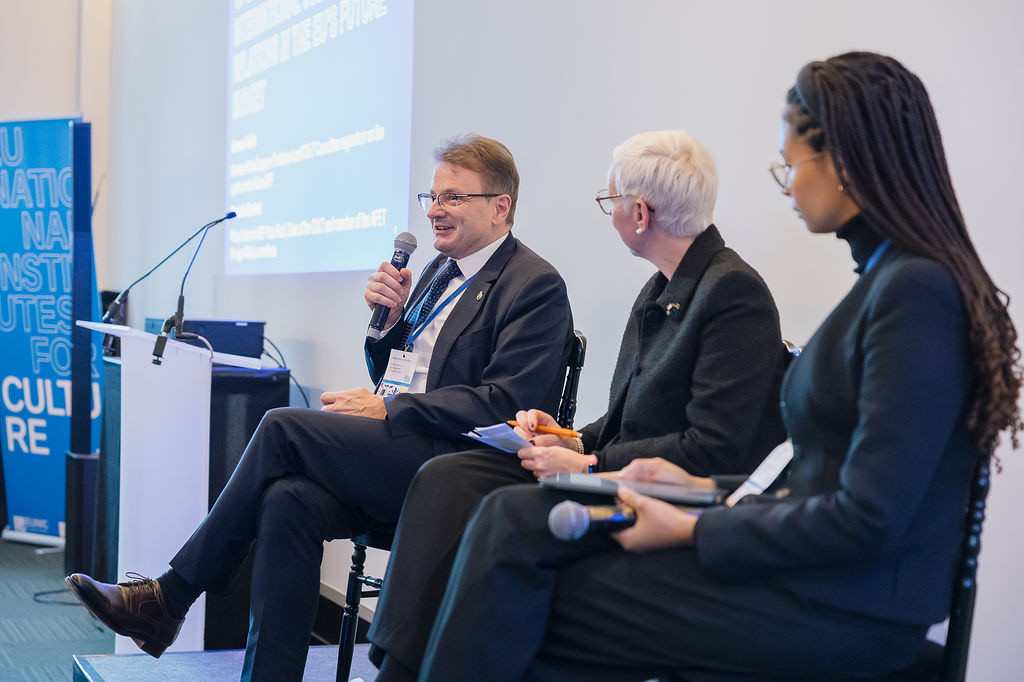
An open discussion on the future resourcing and operationalisation of international cultural relations beyond 2027 was led by Hannes Heide, Member of the European Parliament and CULT Committee rapporteur, together with Charlotte Bechert, Policy Advisor to MEP Nela Riehl, Chair of the CULT Committee and member of the AFET Committee.
Heide emphasised the importance of cross-departmental dialogue to ensure that culture is embedded within other EU funding instruments, including Horizon Europe and structural and regional development funds. Clear governance, transparency and predictability were highlighted as essential to ensuring culture remains a strong and independent instrument rather than merely a thematic priority.
Reflecting on the role of Member States, Eugene Downes of the Department of Foreign Affairs and Trade of Ireland and Julia Sattler of the Goethe-Institut Brussels noted that the Culture Compass focuses primarily on EU institutions. Given that international cultural relations is a collective effort involving Member States’ cultural institutes, they underlined the need to more clearly articulate the role of Member States and of EUNIC in this context.
Ukraine: strengthening collaboration and support
The Ukrainian Institute shared updates on their global programmes and collaboration with EUNIC members.
Support through the EUNIC Ukraine Fund has enabled increased collaboration with EUNIC clusters worldwide, helping the Institute to engage in countries where purely bilateral engagement would have been challenging.
The projects are now bearing fruit, helping us to anchor ourselves in local cultural scenes and engage in dialogue with local actors. EUNIC’s support has been crucial to stabilise our institutional presence.
Volodymyr Sheiko Director, Ukrainian Institute
The EUNIC Ukraine Fund will be renewed in 2026, with financial contributions confirmed from several EUNIC members and the EUNIC office. This renewal is key to maintaining this important support instrument alongside bilateral activities with the Ukrainian Institute.
EUNIC programmes updates and developments
Reflections were shared on the Spaces of Culture programme as a model for cultural relations work. As the programme matures, discussions highlighted increased local ownership of projects, stronger peer support, a deeper sense of a "Team Europe" approach and an improved long-term sustainability of projects.
Within the EU-funded Africa-Europe Partnerships for Culture programme, the newly launched Spaces of Culture programme for Sub-Saharan Africa offers increased resources and enables deeper engagement with Africa-Europe cultural relations.
Insights from the recent Sub-Saharan Africa regional seminar in Johannesburg highlighted the Spaces of Culture programme's focus on building sustainable and equitable partnerships, enabling African-defined narratives and creating spaces for dialogue that help address historical imbalances.
Discussions are also underway with the European Commission on a new European Spaces of Culture programme with a global scope, as proposed in the Creative Europe Work Programme for 2026.
An overview of EUNIC’s network of 143 clusters was presented, noting recent growth with three new clusters launched in Bangalore, Bahrain and Los Angeles. Alongside this expansion, the quality and ambition of cluster activities and the programme offer from the EUNIC office continue to strengthen.
The selection results of the EUNIC Cluster Fund were announced, with 14 new cultural relations projects to be supported throughout 2026 and three projects placed on a reserve list pending additional funding. A related news item will be linked.
Looking ahead
Two new EUNIC Knowledge Sharing Workshops will take place in 2026: one will focus on strategic communications and be hosted by the Danish Cultural Institute in Copenhagen, while the other will address organisational resilience and be hosted by ifa - Institut für Auslandsbeziehungen in Prague.
Members also discussed the future format of General Assemblies and Focal Points Meetings, with a shared commitment to shaping and evolving these gatherings more consciously and collaboratively.
We thank all members and guests for contributing to another successful EUNIC General Assembly.
We look forward to welcoming the heads of our network at the next General Assembly on 11-12 June 2026, hosted by ifa - Institut für Auslandsbeziehungen in Stuttgart.
See more photos of the General Assembly here.