Exploring strategic communication for cultural relations in Copenhagen
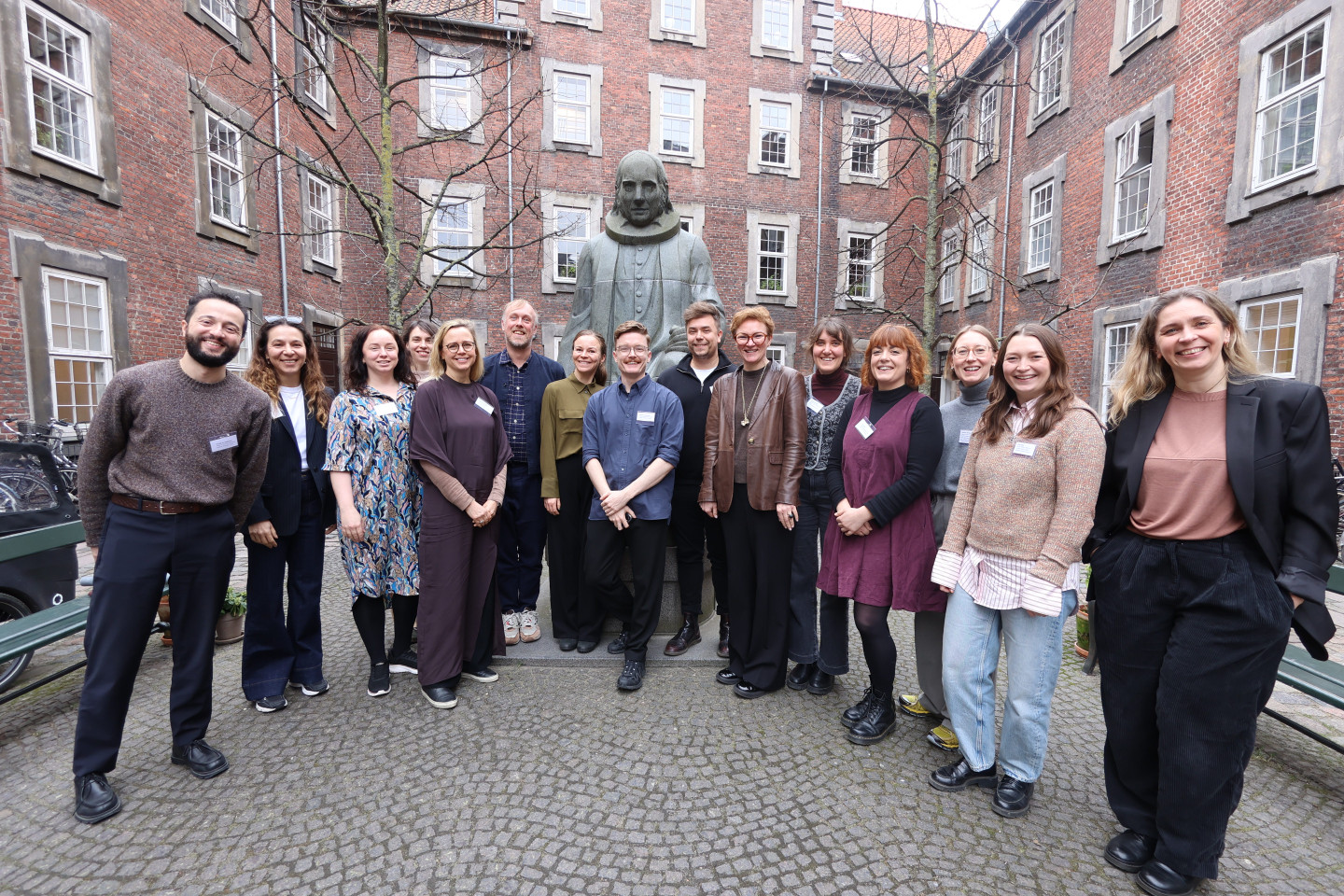
On 19-20 March 2026, EUNIC co-organised a Knowledge Sharing Workshop on Strategic Communications in Copenhagen, hosted by the Danish Cultural Institute.
Bringing together 14 senior communications professionals from 11 EUNIC member organisations, the workshop created a space for in-depth exchange on the evolving role of communication within international cultural relations organisations.
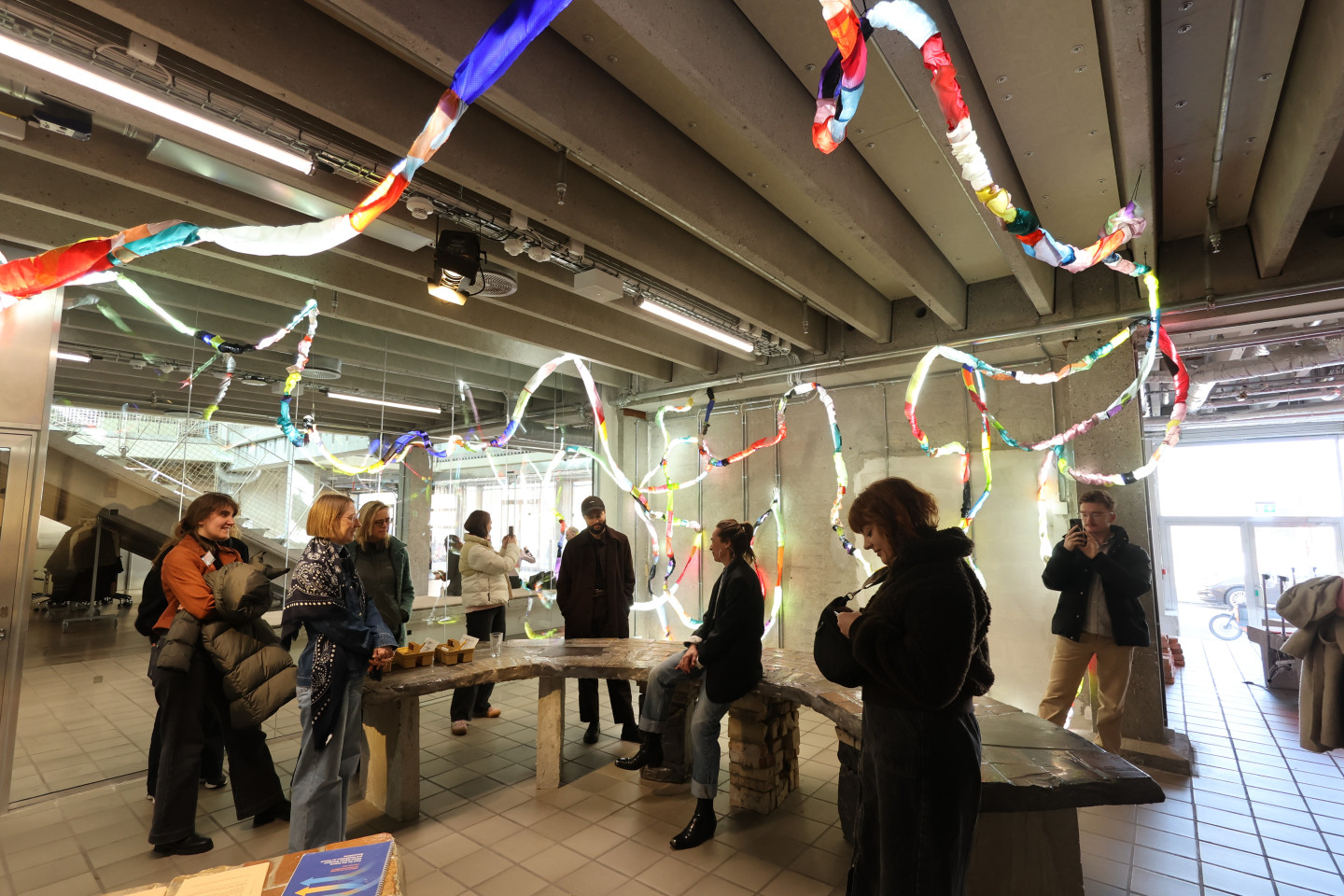
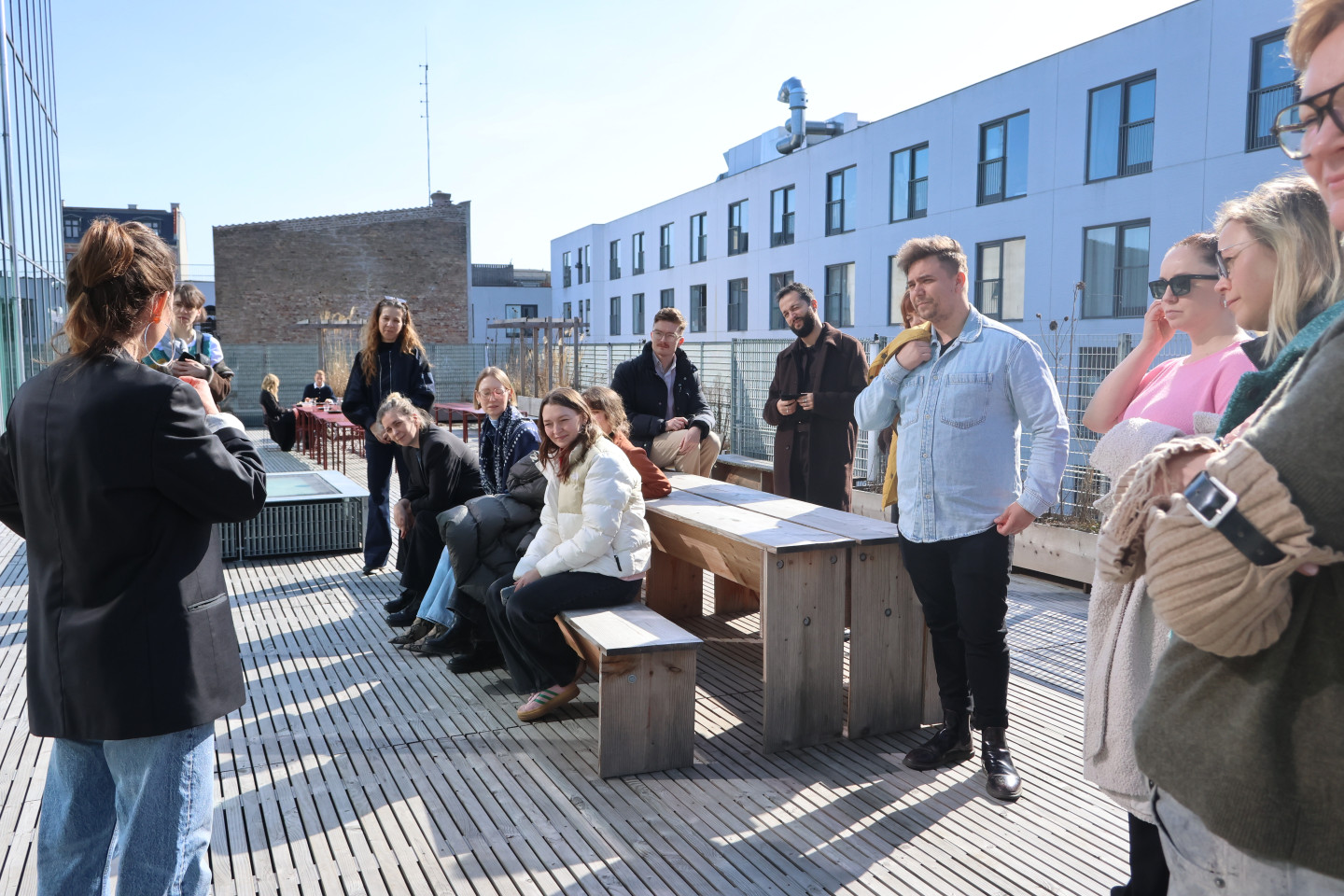
Held at the Danish Cultural Institute’s headquarters and complemented by a visit to a leading Danish cultural and civic hub - Thoravej 29 -, the two-day workshop combined peer learning, practical case studies and a collective reflection on how communication is becoming an increasingly strategic function across our network.
Strategic communication in a changing landscape
Participants reflected on key shifts shaping their work, including increased political pressure, fragmented information spaces, and the need for stronger alignment across our networks.
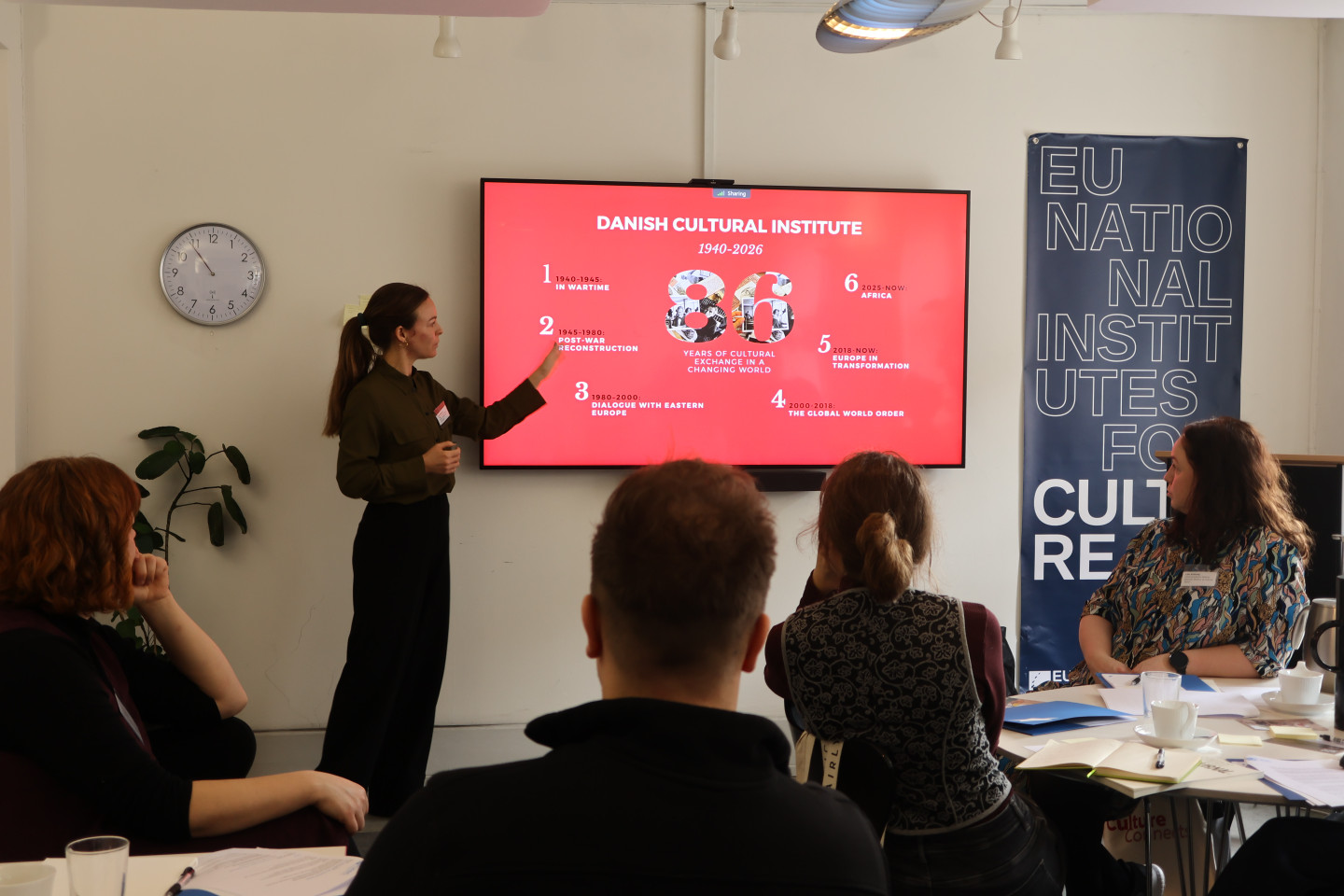
Across organisations, communication teams are increasingly moving beyond service-oriented roles. A case study from the Danish Cultural Institute illustrated this strategic transition, outlining how communications functions are evolving towards greater influence despite limited resources. Contributions from the Goethe-Institut explored how organisational structures and political contexts are reshaping communication strategies.
Storytelling, trust and cultural resilience
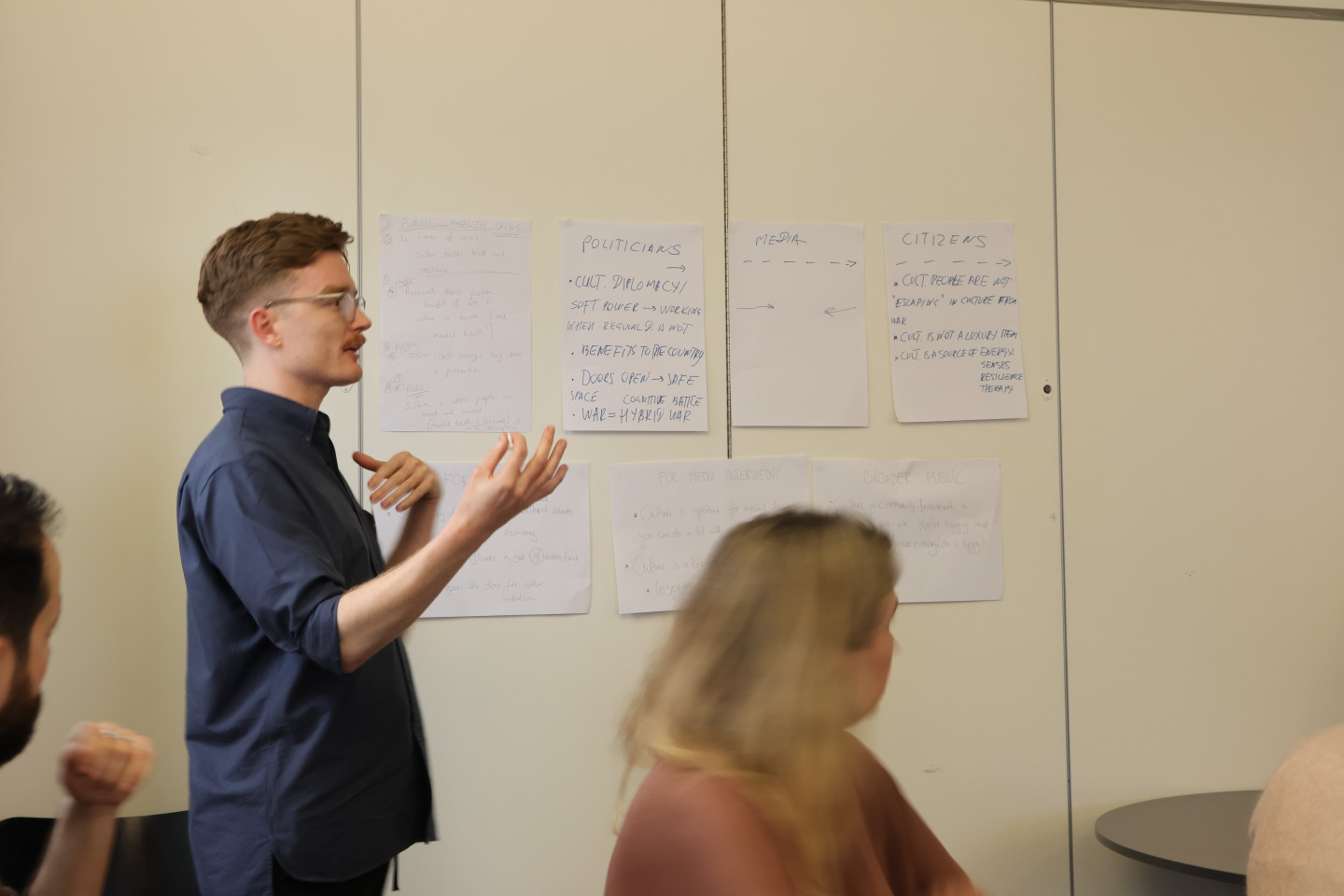
A central theme of the workshop was the role of storytelling in building trust and engaging audiences in contested information spaces.
Through examples from the Ukrainian Institute and the Swedish Institute, participants explored how cultural storytelling can counter disinformation, challenge dominant narratives, and create spaces for democratic dialogue. Discussions emphasised the importance of long-term audience engagement, community management, and values-driven communication.
Communicating across networks
Given the international and decentralised structures of some EUNIC member organisations, the workshop also addressed the challenges of coordinating communication across headquarters, local branches and partners.
Case studies from Institut français and the Finnish Institutes highlighted different governance models and approaches to aligning communications. Participants reflected on what is needed to communicate more effectively “as one” across diverse organisational structures.
AI and the future of communication
The second day of the workshop focused on the impact of artificial intelligence on communication practices. Participants discussed emerging opportunities as well as ethical and strategic dilemmas, drawing on experiences from the Goethe-Institut.
The conversation explored how organisations are currently integrating AI, where limits should be set, and whether shared principles could be developed as a network.
Learning through exchange
The most valuable aspect of this seminar was meeting colleagues facing similar realities, discussing shared challenges, and exchanging best practices.
Participant
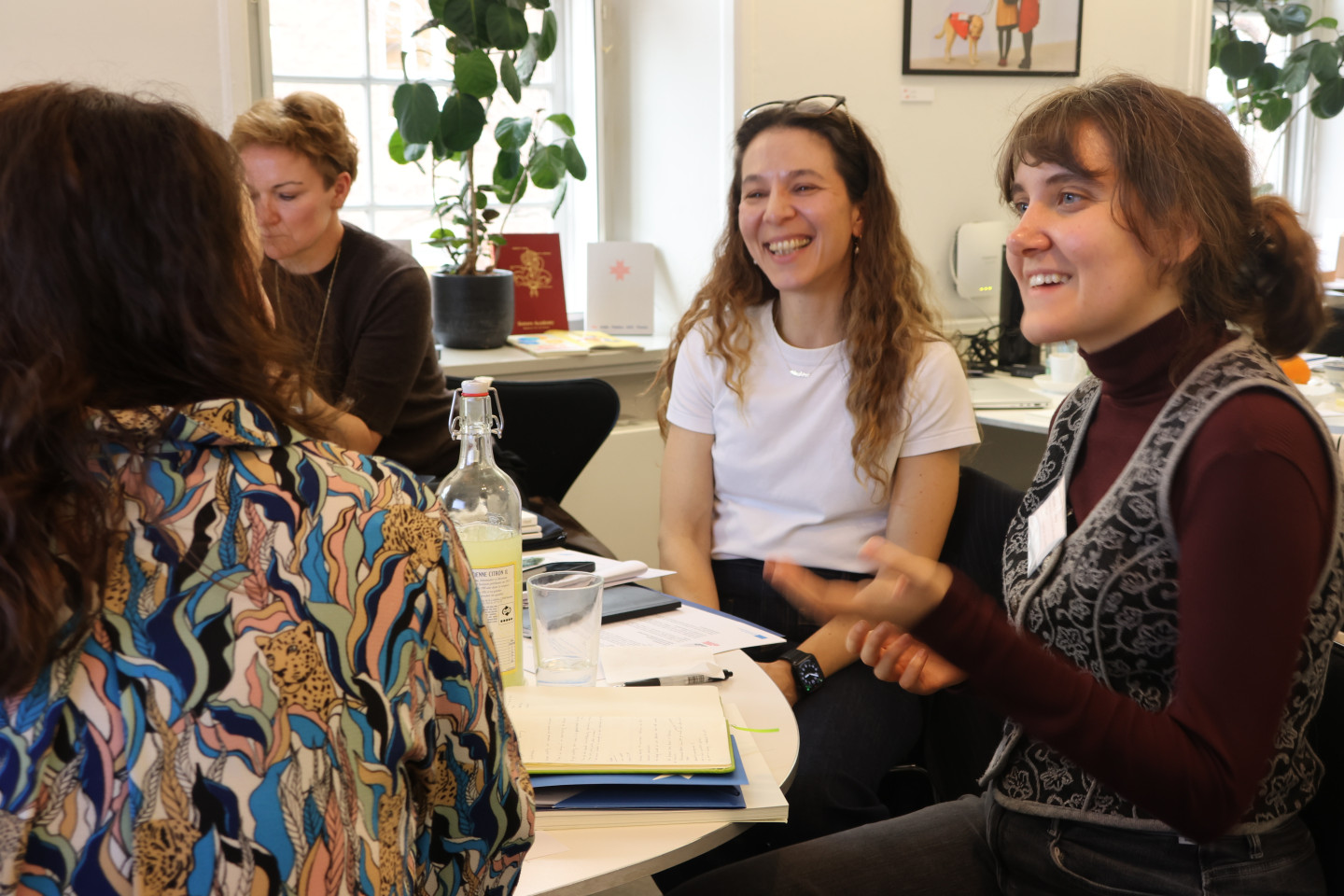
A key strength of the workshop was the opportunity for peer exchange. Participants highlighted the value of connecting with colleagues facing similar realities and working through common challenges together.
I found the group work sessions quite fruitful, because it gave us a chance to talk about common challenges and individual approaches and possible solutions.
Participant
The workshop concluded with a forward-looking discussion on EUNIC’s strategic communication priorities and the role of the network in supporting stronger collaboration among its members.
Participants identified opportunities to continue peer exchange, align approaches where relevant, and strengthen communication as a collective function across the network.