From aid to mutual partnerships: Spaces of Culture is reframing Africa-Europe relations through culture
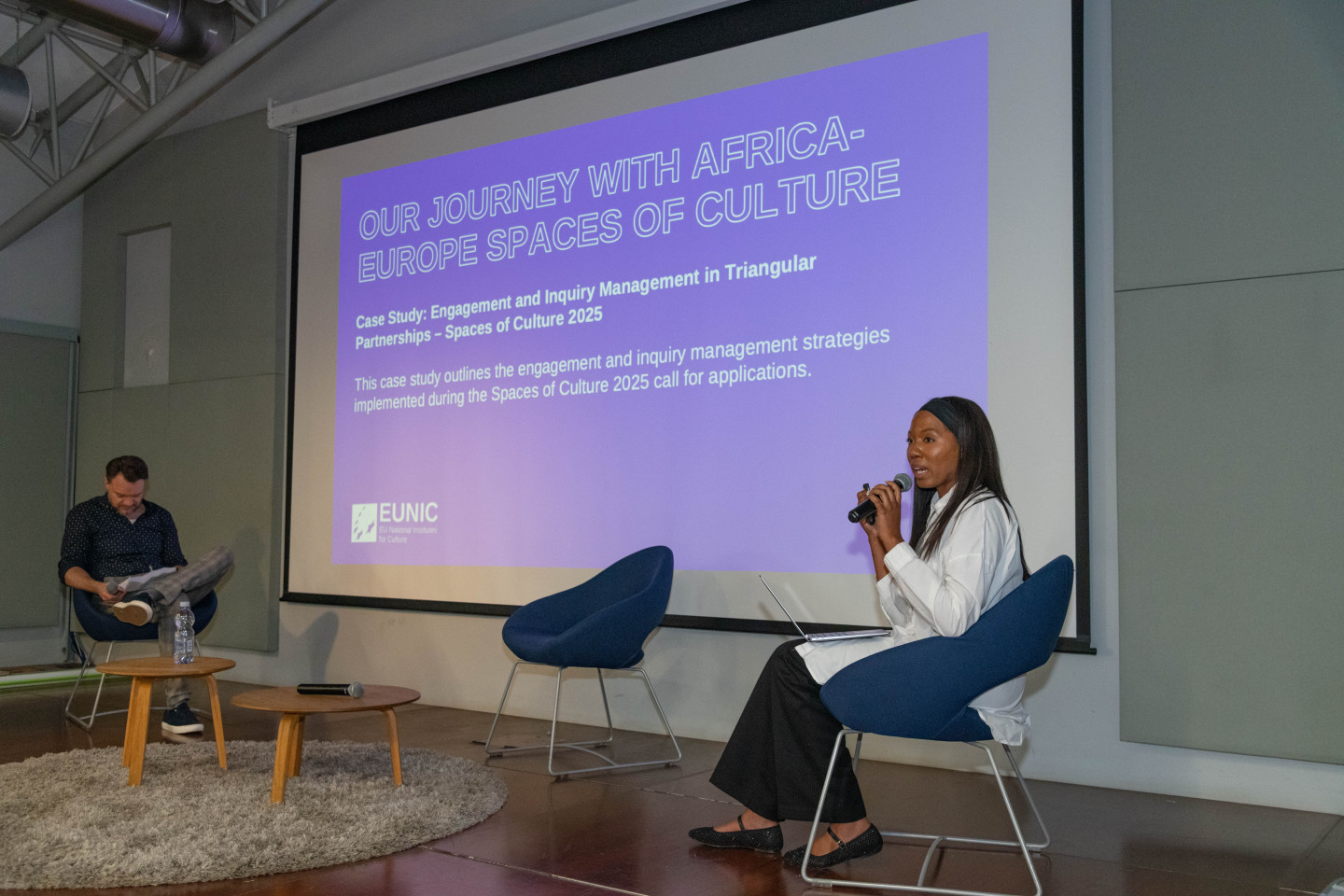
One year into implementing a part of the EU’s Africa-Europe Partnerships for Culture programme, Thoriso Moseneke shares her observations and reflections on contemporary Africa-Europe cultural relations and EUNIC collaboration in Sub-Saharan Africa.
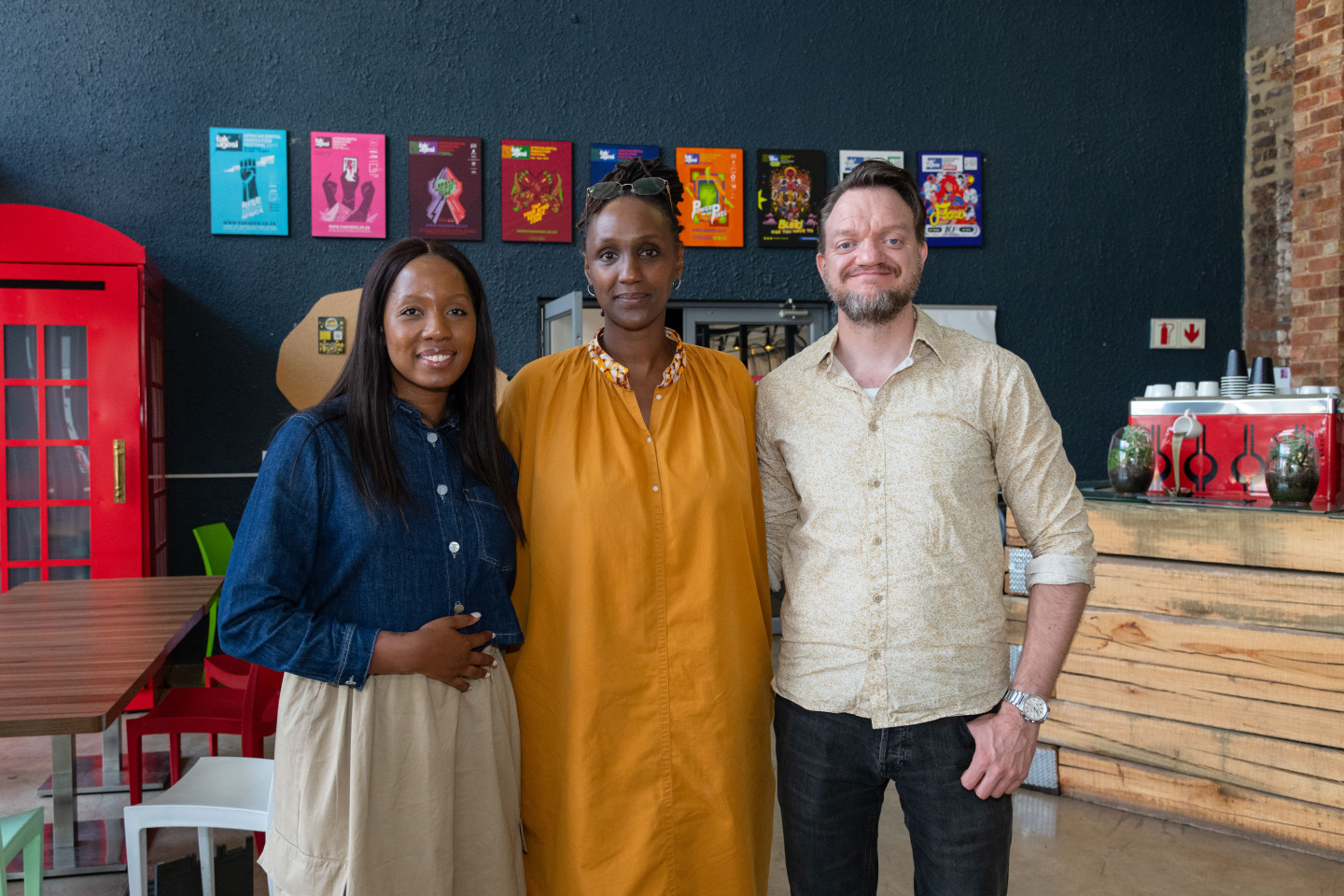
Thoriso Moseneke joined EUNIC as a freelance Project Manager based in South Africa and co-leads EUNIC's implementation of the Africa-Europe Partnerships for Culture programme. Alongside Programme Manager, Robert Kieft, they both serve as the main contact points for EUNIC’s Spaces of Culture in Sub-Saharan Africa.
How is the Africa-Europe Spaces of Culture programme helping to shape Africa-EU relations through culture?
The programme introduces a new way of working, shifting from top-down or bottom-up approaches to a more horizontal form of collaboration.
This means African and European partners work side-by-side, shaping priorities together, sharing resources and building trust.
We see three key areas of potential for this programme:
1 - Building sustainable and equal partnerships
The 'Spaces' model promotes co-creation rather than a donor-recipient relationship. By strengthening networks of artists, cultural workers, institutions, policymakers and funders across Africa and in Europe, we can encourage long-term institutional partnerships between the two continents.
2 - Inspiring a new model of international cooperation
The programme demonstrates how cultural relations can be done through equity, shared leadership and context sensitivity. This programme could be a flagship example of how Europe engages with Africa in a modern, respectful and future-oriented way.
3 - Strengthening mutual understanding and trust
Narratives from Africa can be self-defined rather than externally framed - we see this in the initial application process, as well as the implementation stage of the project activities. The Spaces of Culture projects are a good example of this as they offer shared spaces for dialogue, reducing historical and perception-based barriers.
In the first year of this programme, what have you noticed in terms of the sector’s appetite for the programme, and the needs and expectations of collaboration with EUNIC?
Looking back at the launch of the call, overall, we saw a lot of interest and enthusiasm from both local partners and EUNIC members, who were in direct communication with interested applicants, who were also open to coordinating amongst themselves to apply.
We saw a high attendance in webinars and a clear curiosity to understand EUNIC and the triangular partnerships of the ‘Spaces’ model (also including EU Delegations). We also saw a willingness to collaborate and co-create. Although many organisations were navigating EUNIC for the first time.
We heard from unsuccessful applicants that they will better prepare and reapply in 2026 after receiving feedback from the jury.
We are working with local partners and EUNIC members to see how we can address some challenges and adjust the call based on the feedback from applicants.
How does the programme align with current sector priorities and pain points?
In the first year of Spaces of Culture, we have seen how relevant and timely this programme is - especially for organisations seeking to further develop and sustain their projects in festivals, music, dance and theatre, residencies and mobility exchange opportunities, decolonisation and preservation of heritage, culture and digital technology, skills development and workshops, and co-created programming.
A 2022 report conducted by Dr Mariapola McGurck reported on how local funding organisations and EU institutions can adapt their structures to support this eco-system shift.
In the report, she outlined the following thematic shifts for funders:
- Entrepreneurship and job creation
- Climate change
- 4IR (Fourth Industrial Revolution) and digital development
Over the years, heritage and restitution have been included in this list. With this, we have seen stricter guidelines and, at times, funding programmes that are not designed in response to sector needs.
This has actually stifled local organisations from seeing through their creative and cultural initiatives.
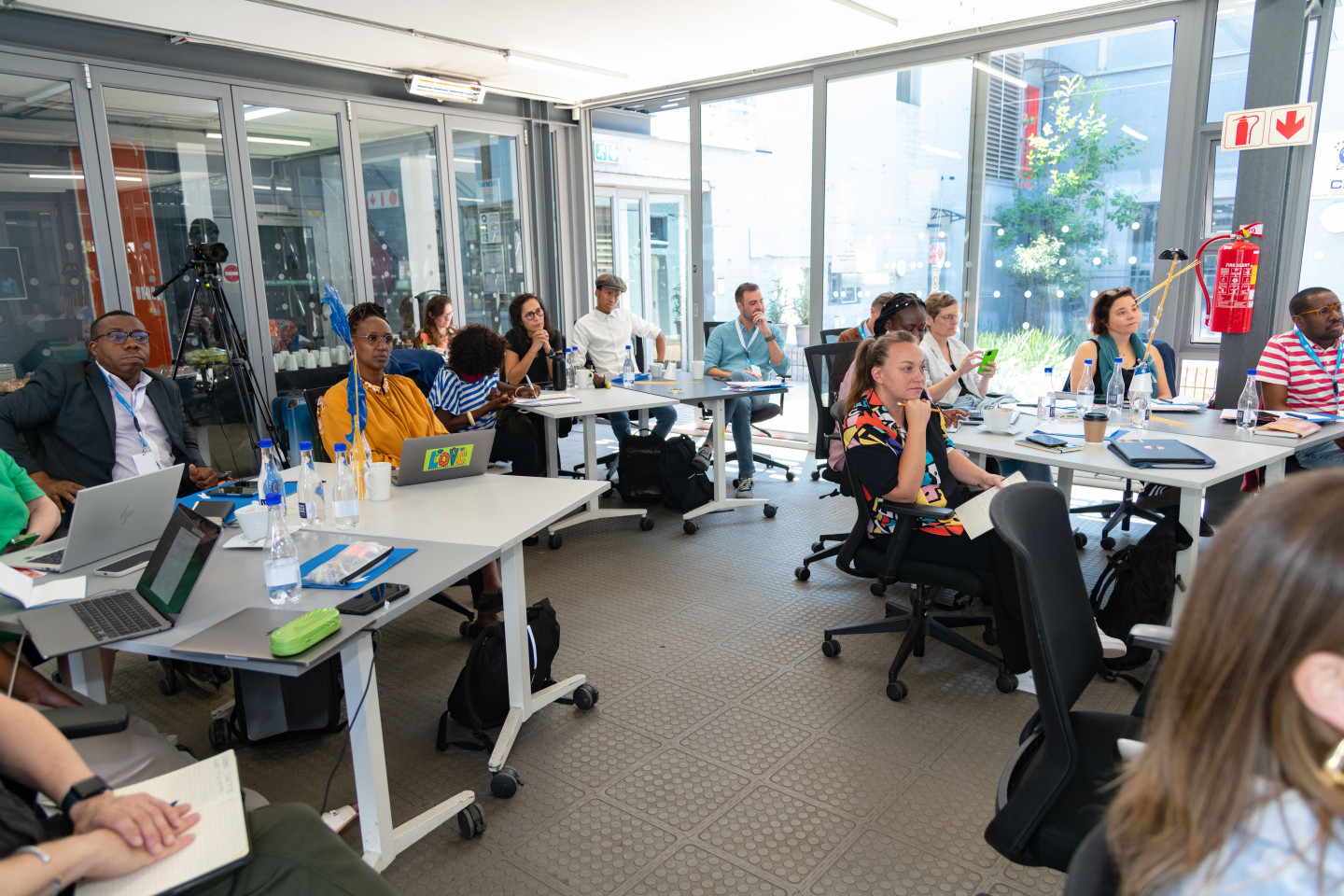
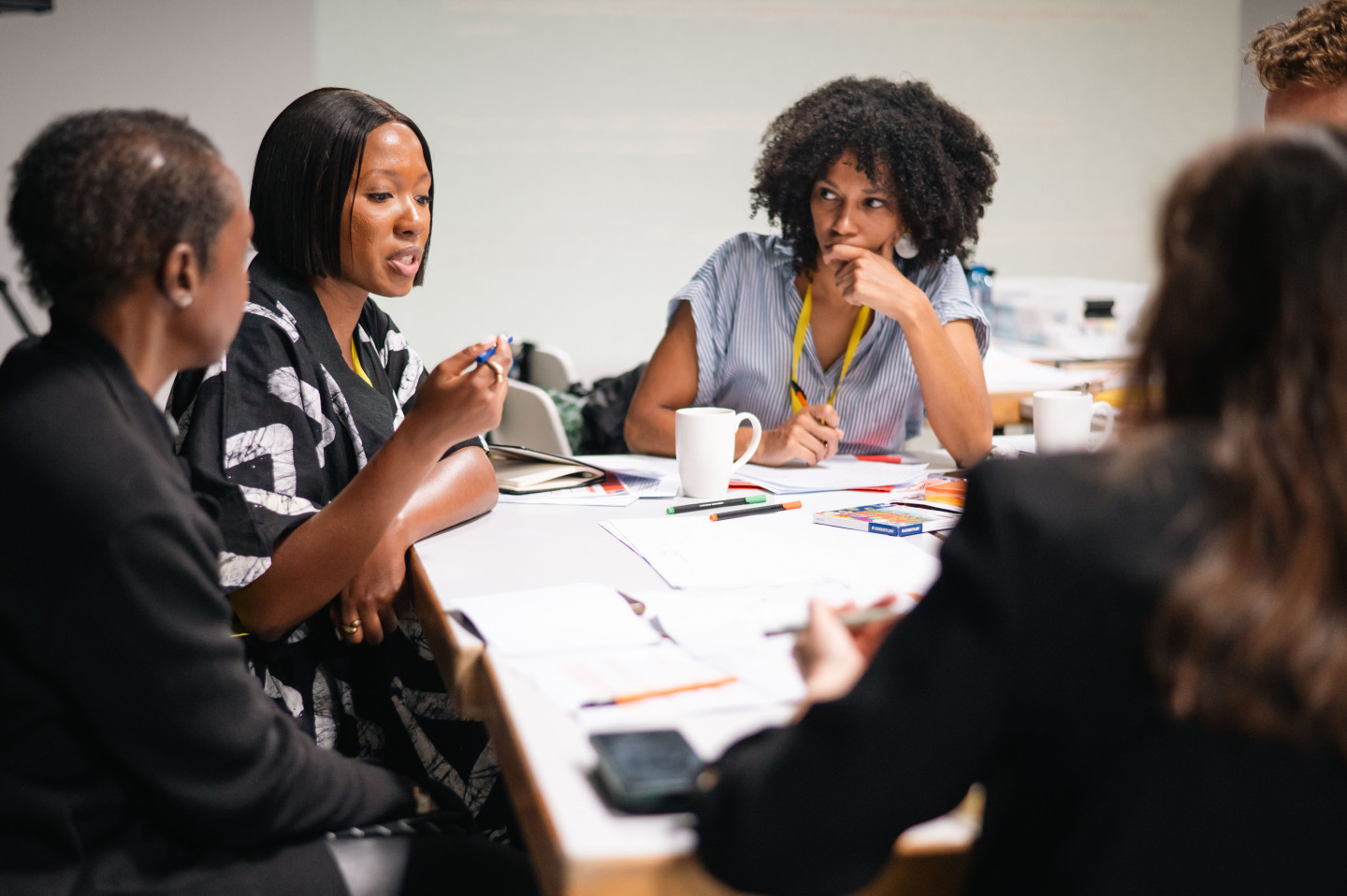
We recently organised a EUNIC Regional Seminar for Sub-Saharan Africa in Johannesburg. What would you say are the most important take-aways from that seminar?
There was an expression of fatigue with short-term project activities.
Examples of previously supported projects that ran for more than a year show a clear the appetite from local partners for long-term programming that builds continuity, trust and measurable impact.
This is an opportunity for the different actors involved to strategise on the financial longevity of a project. This would mean engaging local public and private organisations in adopting the programme to sustain the local economy and ecosystem, before the programme is discontinued due to funding or other priorities.
Culture needs space to mature, and should not be demanded to be impactful overnight.
Regional Seminar participant
There was also a plea for EU grants to be simplified. EU programmes often overlook the local context and realities, with administration often taking too much time for EU members, including local partners. Simpler reporting and harmonised contracting will help lighten this burden.
And finally, there is a call for greater transparency around funding decisions, requirements, and timelines.
Spaces of Culture in 2026
As the first cohort of projects continue their implementation a second call for proposals will be launched in the spring of 2026 - more details to follow.