‘Dissonant entanglements’: Exploring future pathways for EU cultural relations
A workshop hosted by the University of Amsterdam gathered globally active cultural practioners to explore how EU cultural relations can become more horizontal, sustainable and participatory.
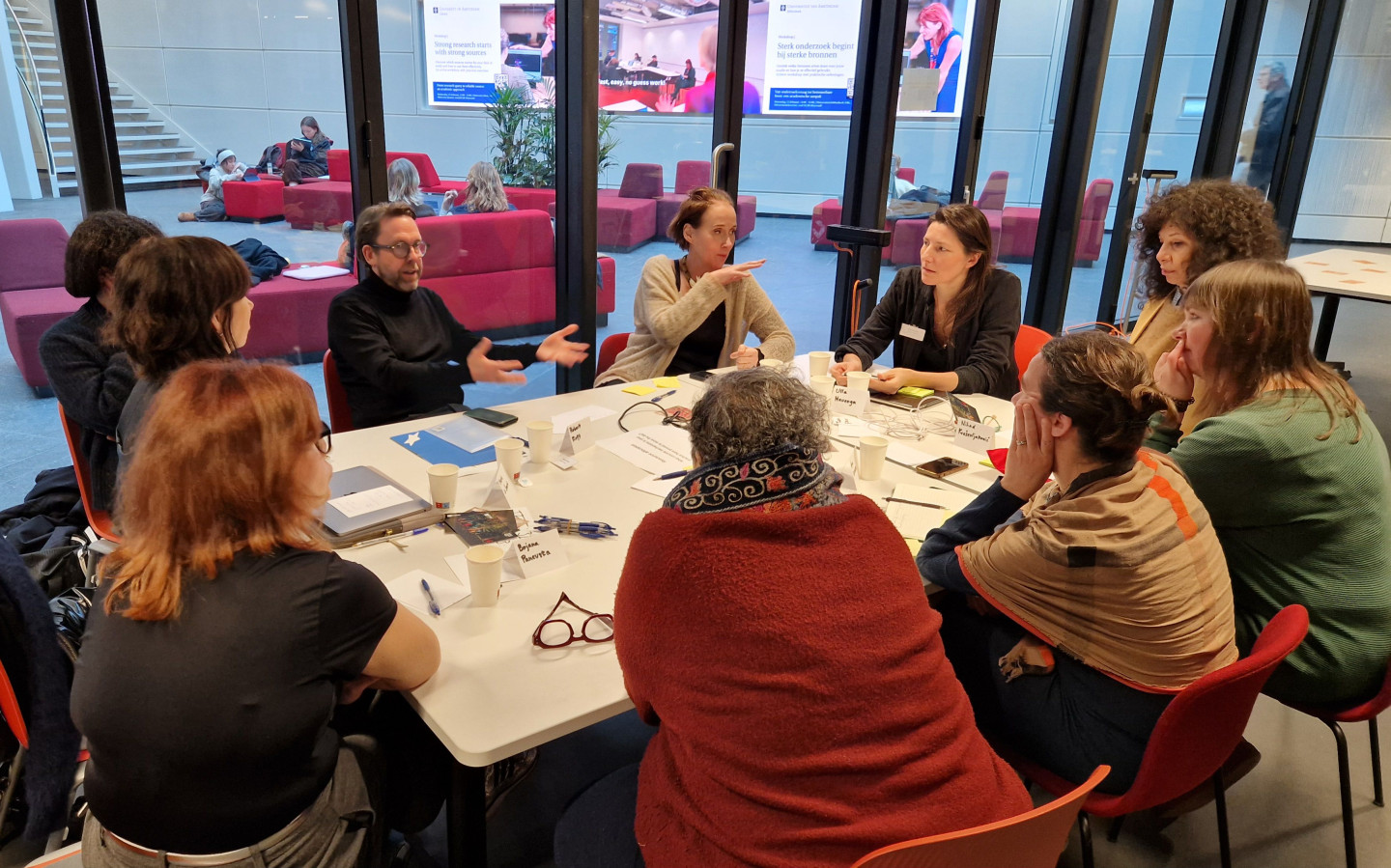
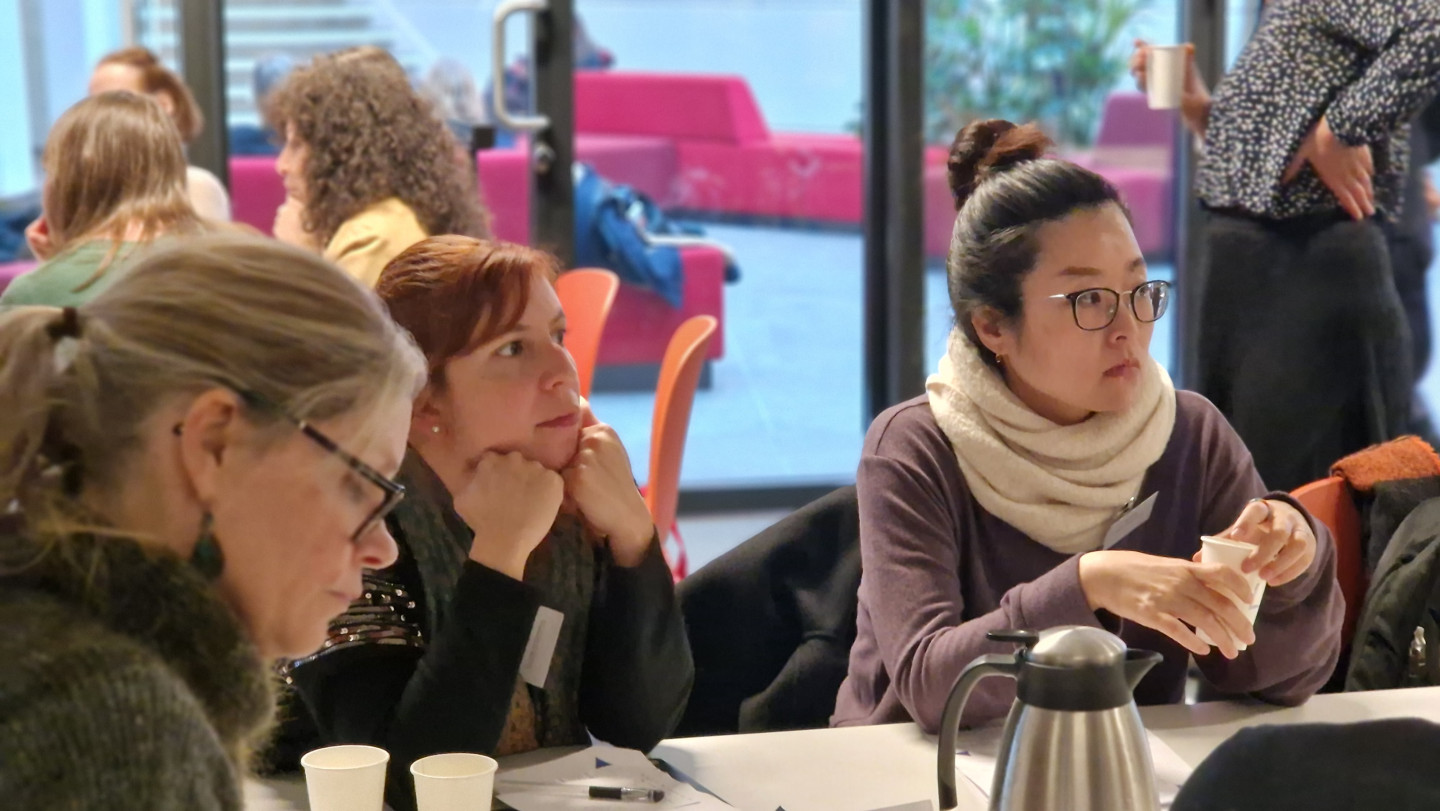
Through the initiative of Dr. Claske Vos (University of Amsterdam), supported by the Amsterdam Centre for European Studies and the ValEUs Project network, and in collaboration with DutchCulture, EUNIC brought together 30 globally active cultural practitioners in a two-day workshop to explore how the EU’s external cultural relations can be dependable, rooted in fairness and future-proof.
The theme, ‘dissonant entanglements’, framed the workshop. Participants identified and questioned the power imbalances that persist in cultural relations today. They shared concrete methods to make practices fairer and more inclusive, addressing equality, inclusion, decoloniality, and the allocation of financial resources.
The group also discussed what is needed to maintain sustainable funding programmes for the cultural sector, and stressed the need for long-term trust-building beyond project cycles, shared authorship, transparency in funding decisions, and embedding listening practices into institutional structures.
The City of Amsterdam joined the conversation to share insights into how the city has taken a proactive role in supporting the cultural sector’s international ambitions, at a time when national-level support cannot be taken for granted.
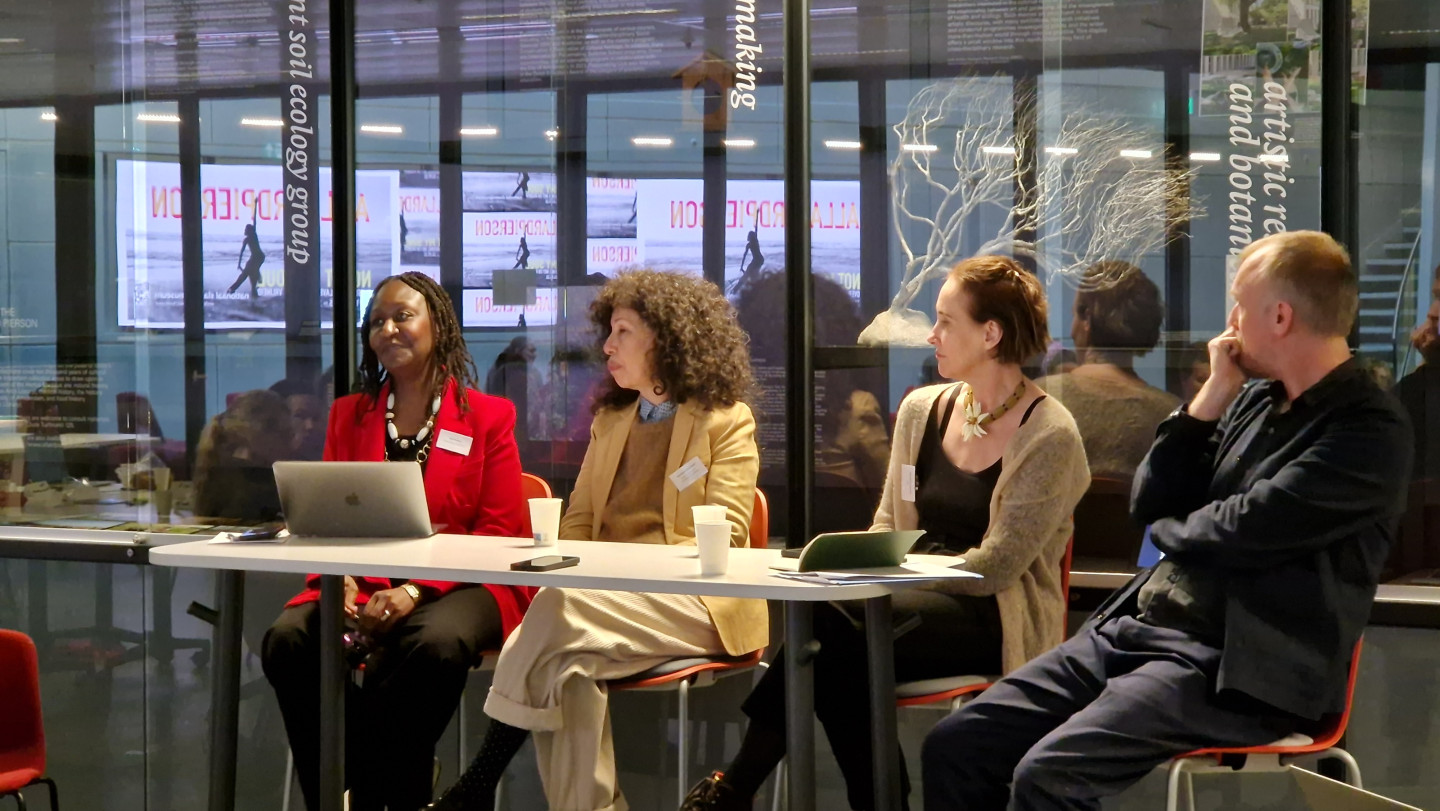
A sold-out public programme, "Europe and the Future of Culture in International Relations", hosted by Katz Laszlo (The Europeans Podcast) welcomed an audience of Amsterdam-based cultural practitioners.
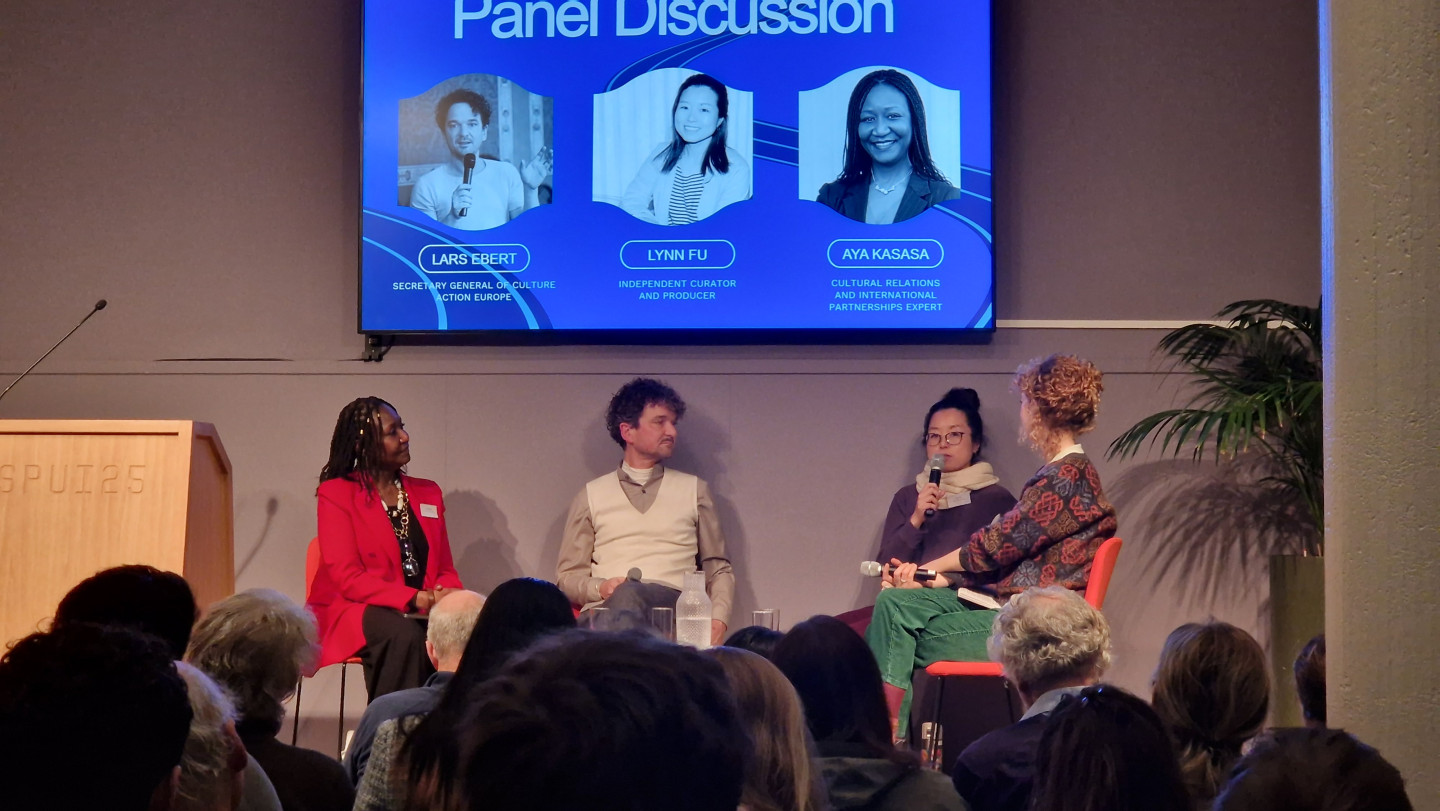
A panel discussion brought together Lynn Fu (independent curator and producer), Aya Kasasa (independent consultant and Africa-Europe Spaces of Culture jury member), and Lars Ebert (Secretary General of Culture Action Europe).
The panel discussed current challenges in EU cultural relations and where its greatest potential lies, particularly in light of the Culture Compass for Europe.
The panellists also reflected on how international cultural relations can become more democratic and more responsive to realities shaped by conflict, geopolitical power plays and neo-imperialism. They also discussed the role of civil society in advancing new approaches to cultural relations.
The event included a screening of a short film produced by Historias en Kilómetros, a community-based filmmaking lab in Colombia. The film followed a global exchange of community filmmakers in Colombia, Bangladesh and Kenya.
The workshop was organised as part of the Jean Monnet Policy Network (JMPN), titled “ValEUs: Research & Education Network on Contestations to EU Foreign Policy.”
Photos: EUNIC.